Start with window safety
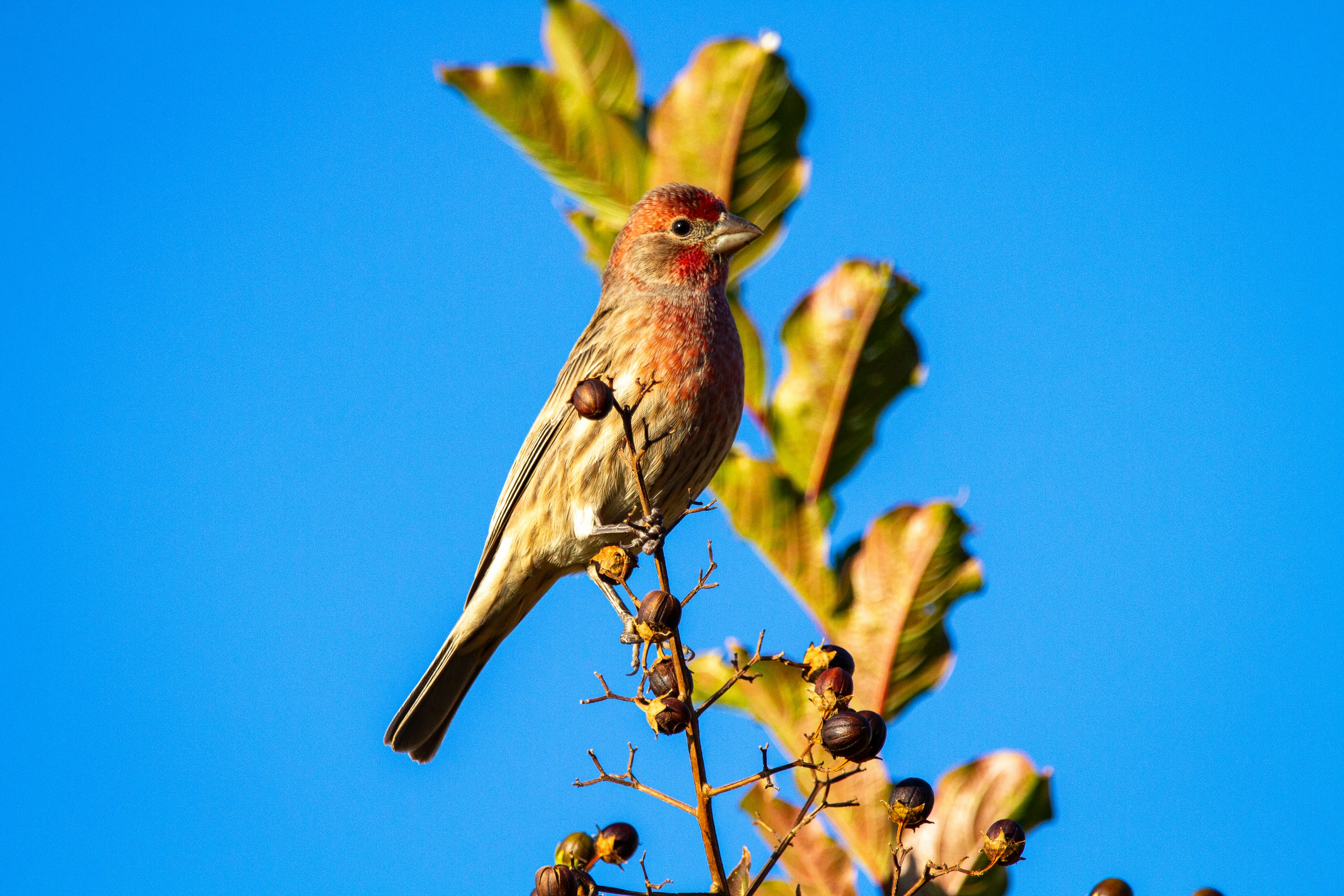
Windows are one of the most important factors to consider when choosing a feeder location. The U.S. Fish & Wildlife Service estimates that more than a billion birds die in window collisions each year in the United States. Many of these collisions happen at homes and other low-rise buildings. Birds may see reflected sky or trees in the glass and mistake it for open space. A feeder can bring more birds into the area, which makes it especially important to reduce this risk. Advice sometimes recommends keeping feeders 10 to 20 feet from a window, but this distance does not prevent a bird from seeing a reflection. It may also provide enough room for a bird to build up speed before reaching the glass.
The best option is to treat the outside of the window with a visible pattern that breaks up the reflection. Markers should be spaced no more than two inches apart, both horizontally and vertically. A few widely spaced decals are unlikely to be enough; the pattern needs to cover the reflective area. If treating the glass is not possible, place the feeder within three feet of the window. At this distance, a bird leaving the feeder has less room to accelerate before a possible collision. It may sound counterintuitive, but it is the approach supported by guidance from the U.S. Fish & Wildlife Service and Cornell Lab.
Offer nearby cover, but keep the view open
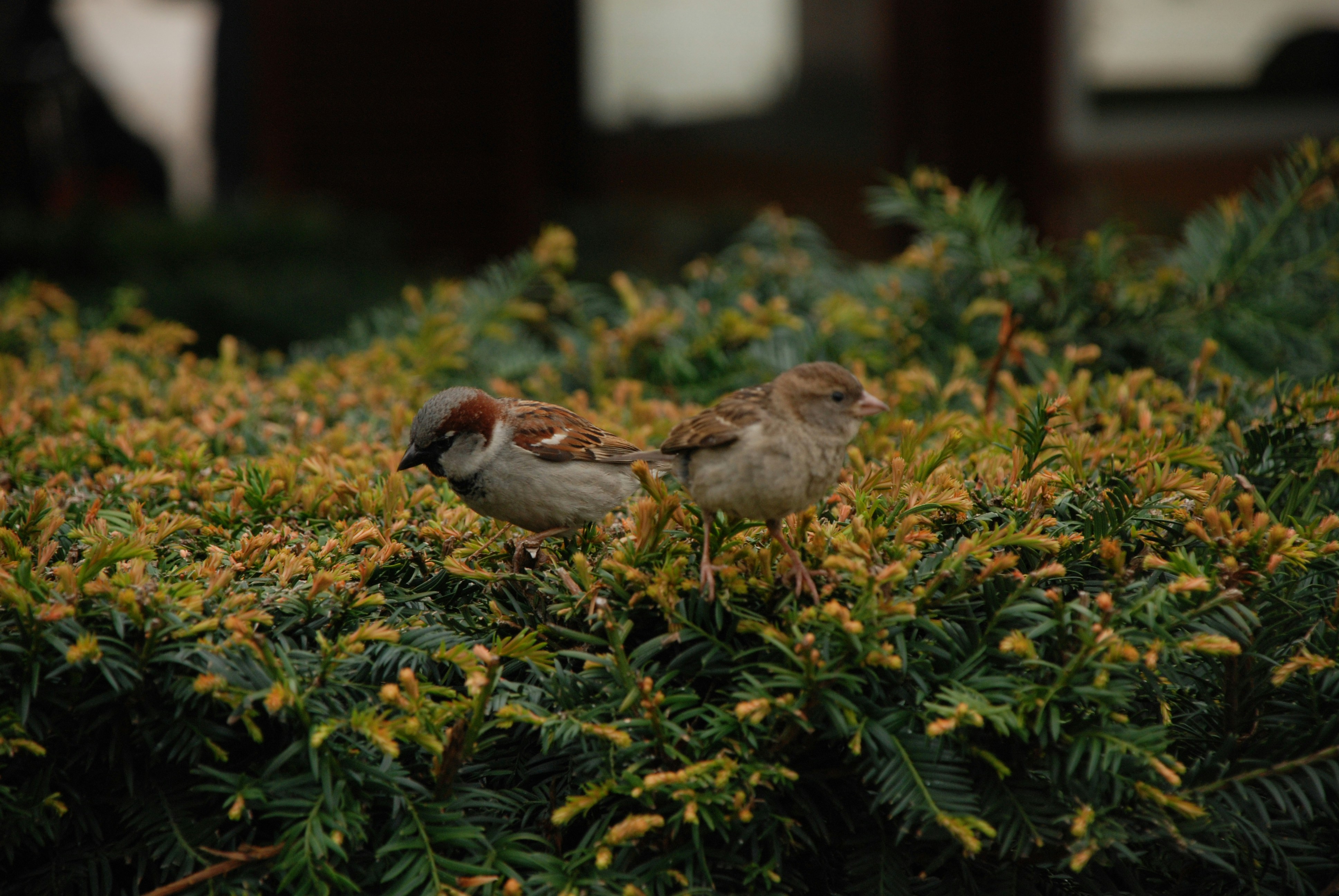
Birds are often more comfortable using a feeder when they have somewhere nearby to pause and watch for danger. A tree, shrub or hedge can provide a useful staging point before they approach the feeder, as well as a quick retreat if they feel threatened. Around ten feet from natural cover is a practical starting point. It keeps shelter close enough to be useful while reducing the chance that the same vegetation becomes an easy hiding place for a cat or a launch point for a squirrel.
The exact distance matters less than the layout of the space. A dense shrub may conceal a predator even when it is several feet away, while a small tree with clear sightlines underneath may be suitable closer to the feeder. A helpful question is: could a cat wait unseen within a short dash of the birds? Keeping cats indoors or in a secure outdoor enclosure is more reliable than trying to solve the risk through feeder height alone. If outdoor cats or hunting hawks regularly visit the area, watch how birds approach and leave the feeder and adjust the position if it appears to create a predictable ambush point.
The wider surroundings matter too. Research tracking feeder-using birds suggests they move more easily through connected areas of trees and other vegetation than through landscapes divided by roads and extensive hard surfaces. A feeder on an exposed balcony or paved courtyard can still attract birds, but it may take them longer to find and trust it. A native container plant, a nearby perch or a clean water source can make the area feel more inviting.
Choose a height that is stable and easy to reach
About five feet above the ground is a useful starting point for many hanging, hopper and smart feeders. This height works with common pole-and-baffle systems, keeps the feeder away from everyday bumps and still allows many people to reach it without a ladder.
It is not a strict rule. Ground-feeding species such as doves, juncos and some sparrows may prefer a separate low platform or feeding area. Snow can change the feeder’s effective height, while a very exposed site may require a lower or sturdier mount to reduce movement. Accessibility matters as much as height. If a feeder is difficult to take down, refill or clean, those tasks are more likely to be delayed. A stable feeder that can be reached safely is usually a better choice than a higher one that looks impressive but is awkward to maintain.
Think like a squirrel
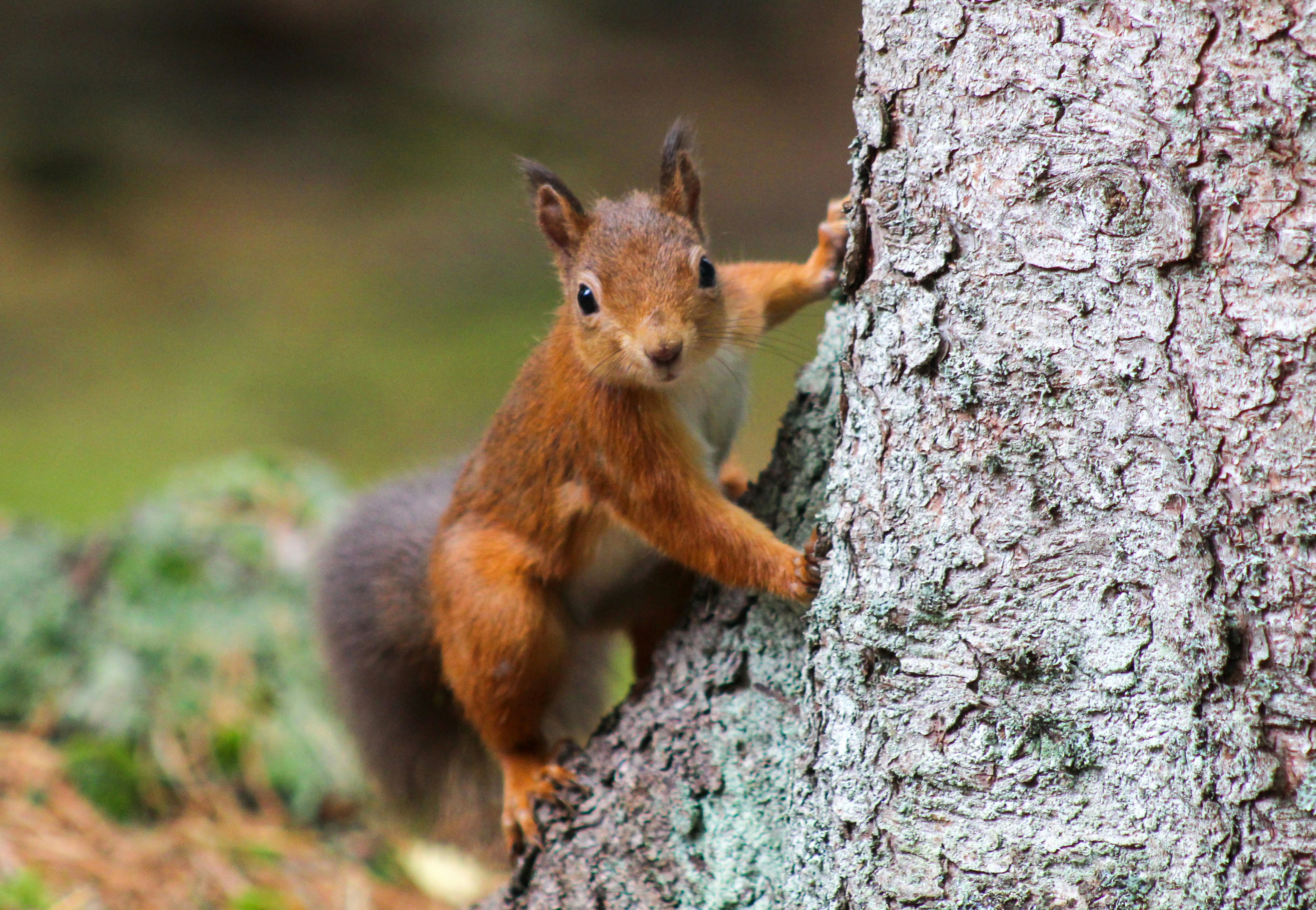
Squirrel control is mainly about placement. According to Cornell’s Project FeederWatch, squirrels can jump about eight feet horizontally and can drop roughly eleven feet from above. A branch, fence, railing or roof can therefore become a convenient route to the feeder. For a more squirrel-resistant setup, use a smooth, sturdy pole positioned more than ten feet from likely jumping points. Add a correctly sized baffle below the feeder and make sure the feeder is high enough that a squirrel cannot simply jump over the baffle from the ground.
Avoid covering poles with grease or other sticky substances. These products can get onto feathers and fur, require frequent reapplication and are less effective than a well-positioned physical barrier. A little planning tends to work better than turning the pole into an obstacle course.
Give the feeder some protection from the weather
If seed is regularly getting wet or blowing out of the feeder, the location may be too exposed. Wet seed can spoil and block feeding ports, so a calmer, more sheltered position is usually better. Just make sure that solving the weather problem does not place the feeder next to hazardous glass or dense predator cover. Heat also matters, especially for hummingbird feeders. Nectar spoils more quickly in direct sun and should be replaced every three to five days in moderate conditions, and more often during hot weather. A position with some shade can help keep it fresh for longer.
Solar-powered feeders introduce a small balancing act. The solar panel benefits from direct sunlight, while the camera and food often perform better in softer light. If the design allows it, orient the panel and camera separately. The goal is not to find one perfect direction, but to give each part of the setup what it needs.
Check what the camera can see
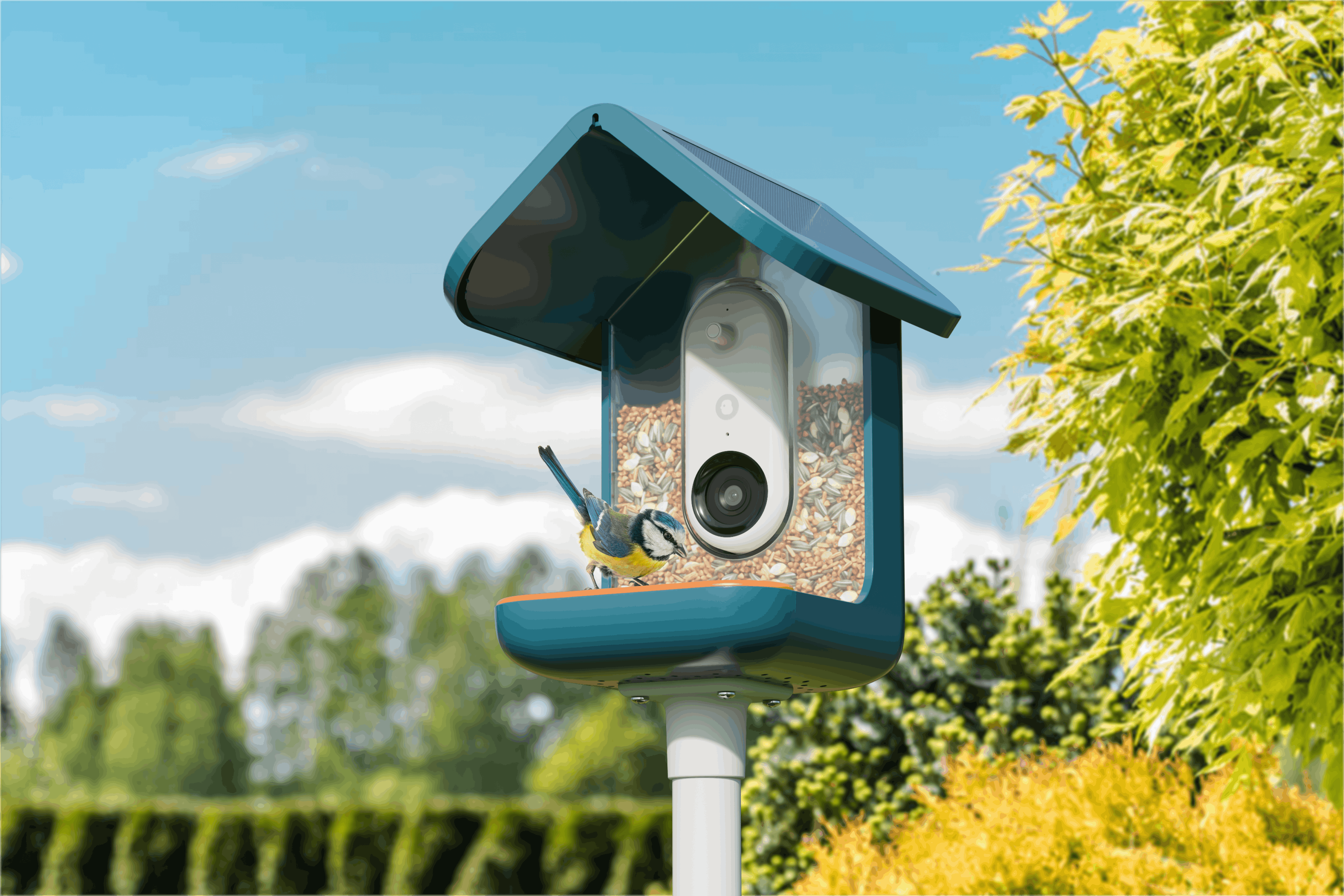
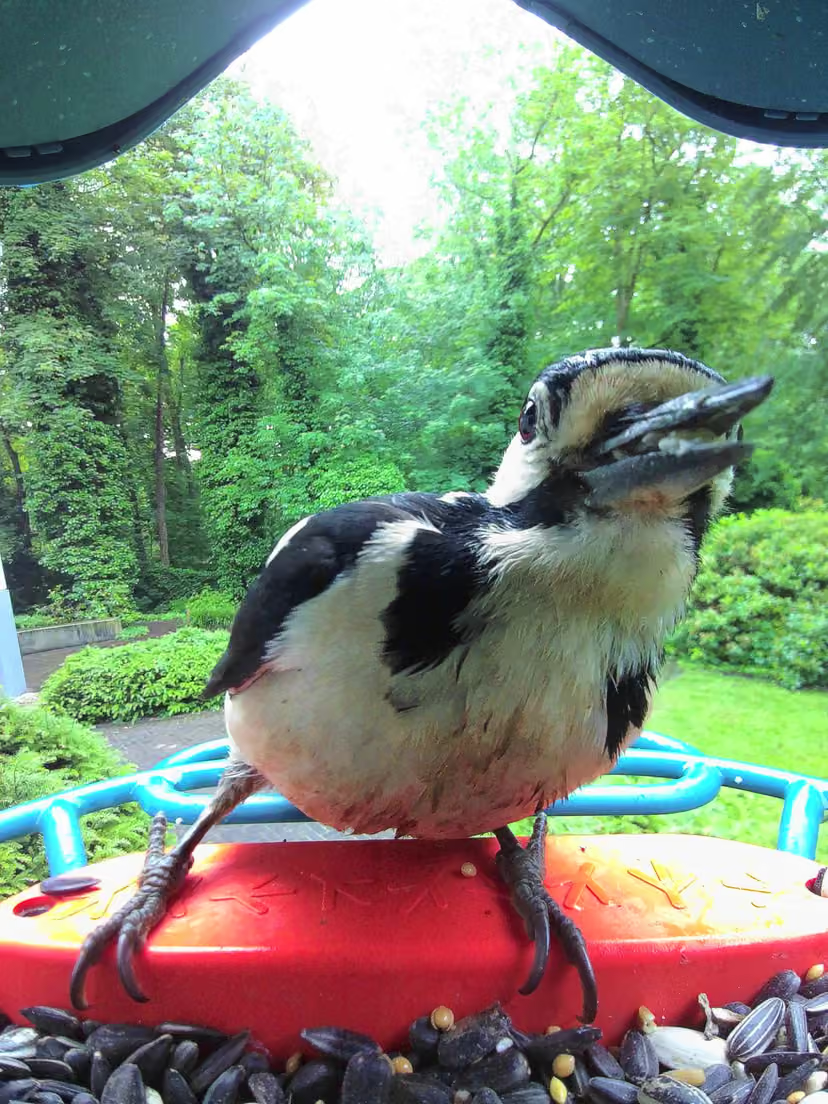
A location can be excellent for birds but less successful for a smart-feeder camera. Birds may visit regularly while the camera captures silhouettes, glare or branches moving across the frame. Try to keep the lens out of strong direct sunlight, particularly during the early morning and late afternoon. If the camera points toward a bright sky, visiting birds may appear dark and lose the details needed for good photos and reliable recognition.
A natural background with some depth, such as trees, shrubs or open sky, usually works better than a flat wall, close fence or reflective surface. Check that leaves and branches are not moving directly in front of the lens whenever the wind blows. Frequent background movement can obscure birds and may cause unnecessary recordings.
Accessories and perches should also leave the bird’s head and body visible when it lands. A convenient perch is helpful, but not if it turns every visitor into a mysterious collection of tail feathers. In the Northern Hemisphere, a north-facing camera can be a useful starting point because it often avoids the strongest direct light. It is still only a starting point. Buildings, trees, latitude and seasonal changes may have a greater effect than compass direction. Check the live view in the morning, around midday and later in the afternoon before settling on the final position.
Test Wi-Fi now and check it again later
Birdbuddy relies on an internet connection rather than local media storage, so signal stability is just as important as signal strength. A strong reading during setup does not always mean the connection will remain reliable throughout the day. Exterior walls, metal siding, coated windows, foliage and distance from the router can all affect outdoor Wi-Fi. Start by testing the connection while holding the feeder in its intended position. Confirm that the live view loads and remains stable rather than relying only on the number of signal bars.
Then check the feeder again after it has been operating for a day or two. This longer period gives a better indication of whether the connection remains stable or drops intermittently. If the feeder regularly goes offline, try moving it slightly closer to the router, changing its orientation or selecting a lower media-quality setting before assuming there is a hardware issue.
Make cleaning part of the placement decision
Seed feeders generally need cleaning around every two weeks, and more often during wet weather, periods of heavy use or disease outbreaks. This routine becomes much easier when the feeder is positioned somewhere that can be reached safely. Choose a location where you can take the feeder down, refill it, clean the camera lens and inspect the food without needing to balance on a ladder. It should also be possible to clean fallen seed and droppings from the ground below.
A slightly less dramatic location that is easy to maintain is often better for birds than a picture-perfect spot that makes every refill feel like a project. Convenience may not be the most exciting placement feature, but it is an important part of keeping the feeder healthy.
Give birds time to accept a new feeder
Some birds investigate a new feeder within a few days, while others may need several weeks. A quiet start does not necessarily mean that the food, feeder or location is wrong. Birds first need to notice the feeder and decide that it is safe. If you already have an established feeder, place the new Birdbuddy nearby and keep the old feeder available at first. Once birds begin visiting the new one, you can gradually reduce or remove the original feeder. This allows them to explore a new object in a familiar feeding area instead of asking them to adjust to a new feeder and a new location at the same time.
The best spot balances several needs
There is no single placement rule that works for every garden, balcony or patio. A good location keeps birds safer around windows and predators, provides nearby escape cover, protects food from the weather and remains easy to clean. For a smart feeder, it also needs suitable light, a clear camera view and stable Wi-Fi.
Start with safety, then test the practical details. Watch how birds use the space, check the camera at different times of day and give the feeder a little time to become part of the landscape. The best position is usually not the most complicated on, it is the one that works reliably for both the birds and you.