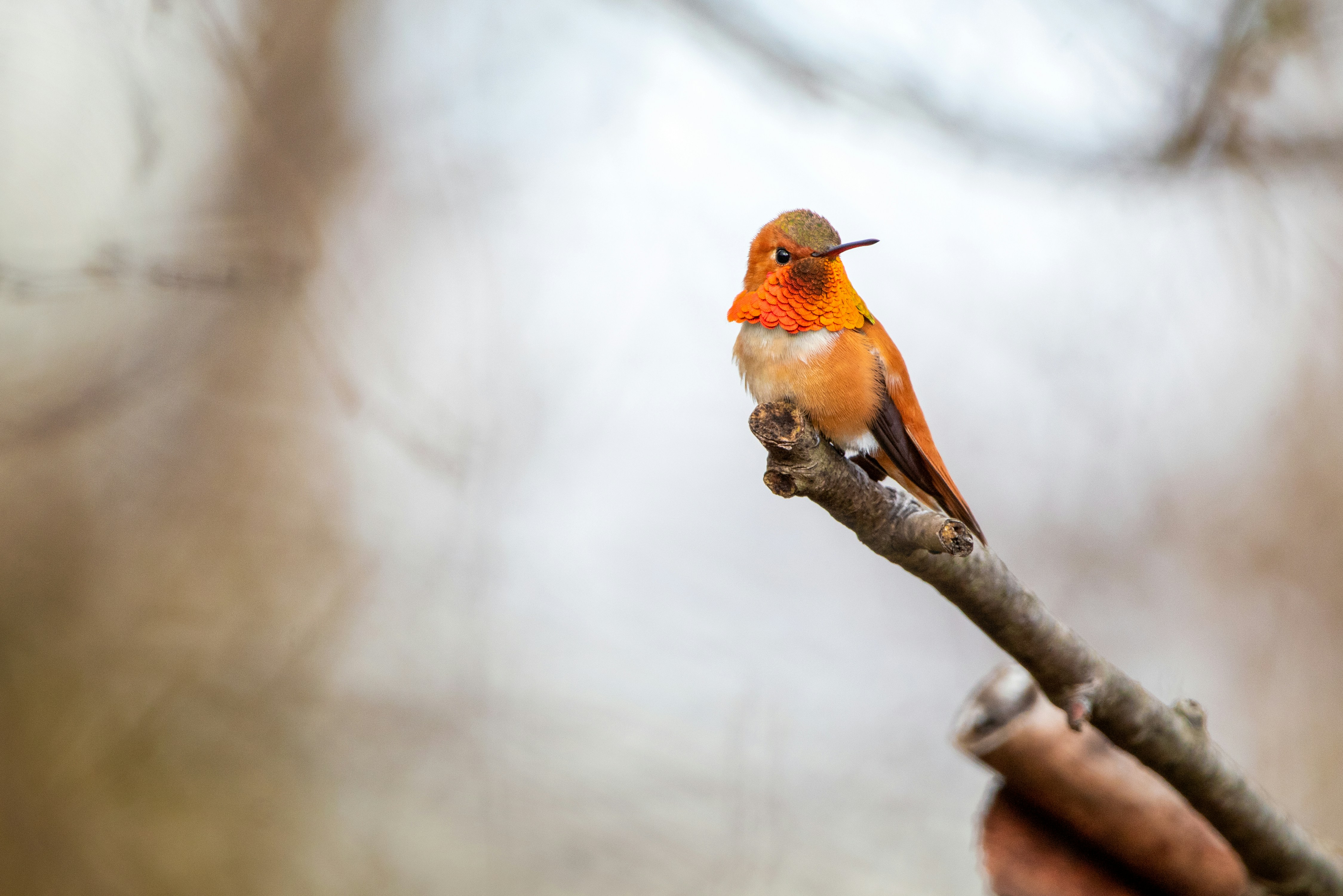
All summer, your feeder was busy with hummingbirds zipping in, arguing over the ports and draining the nectar faster than you could refill it. Now it's quiet. The nectar level hasn't moved in days, and you're left wondering: have they left for the season? Did you do something wrong? And should the feeder come down now?
In most cases, nothing is wrong. Here's what's happening, and why the feeder should probably stay up a little longer.
First, the myth: your feeder won't keep them from migrating
You've probably heard that leaving a hummingbird feeder up in fall can "trap" hummingbirds, tempting them to stay until it's too late to fly south. This is one of the most common beliefs in backyard birding, and it's not true.
Hummingbird migration is triggered by shorter days and hormone changes, not by how much food is available. Cornell Lab of Ornithology and Audubon agree that there's no evidence hummingbirds delay migration because a feeder is still up. When the timing is right, they go, even if your nectar is fresh.
So leaving your feeder up won't hold any birds back. In fact, it may be one of the most helpful things you can do this time of year.
So where did everyone go?
In the East, Ruby-throated Hummingbirds begin heading south around Labor Day. Most have left the eastern US by mid-October. They don't all leave at once, though. Adult males usually go first, followed by females, and the young birds from this year leave last. That's why the feeder can seem to empty out in stages. The bright, bossy males you watched all summer might have left weeks before the last youngster.
If your feeder went quiet earlier, in mid- to late summer, migration might not be the reason. When gardens are in full bloom and insects are everywhere, hummingbirds often spend less time at feeders for a while. They're still nearby, just eating elsewhere.
Why keeping the feeder up helps
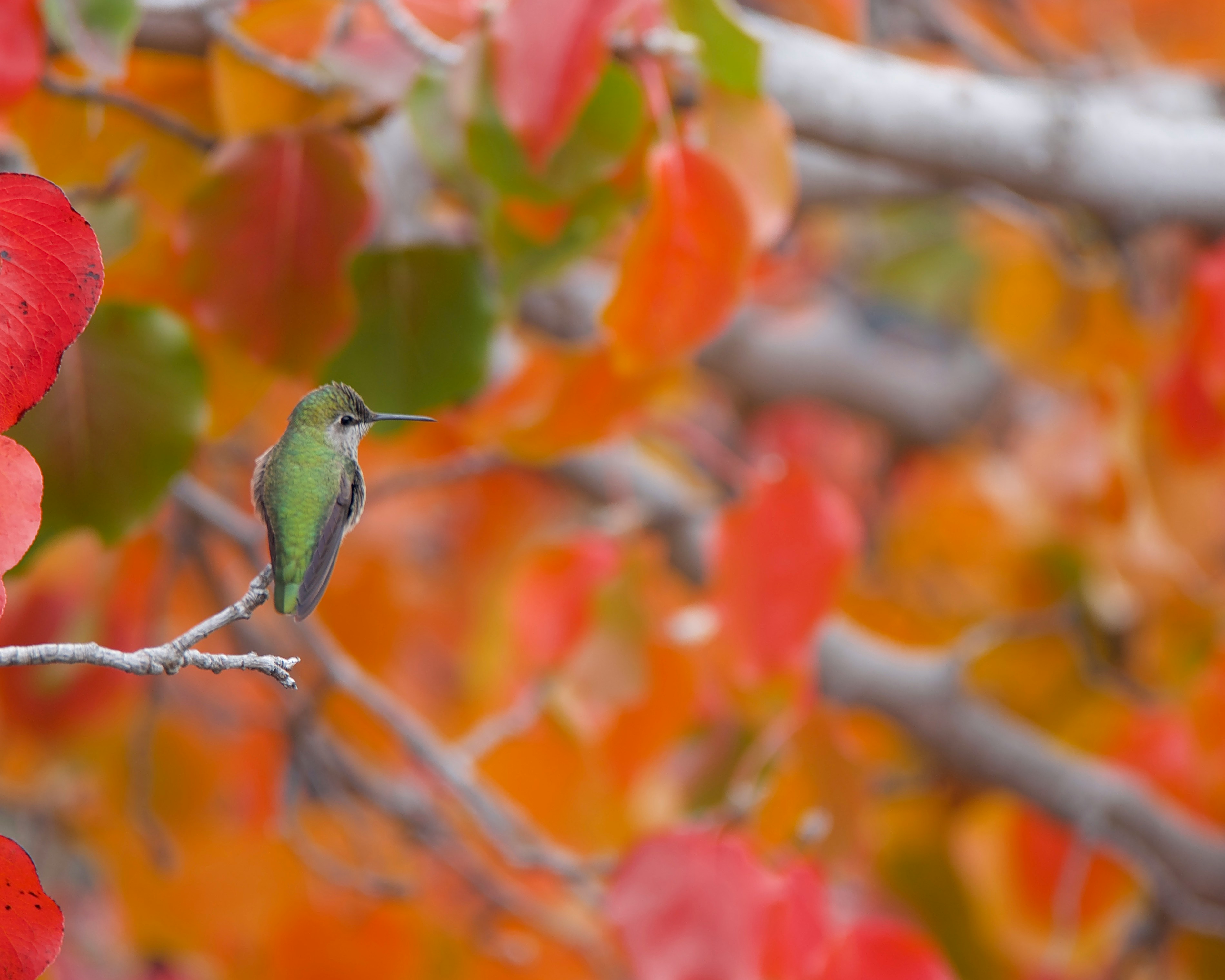
Just because your local birds have left doesn't mean hummingbirds are done with your yard. All through September and October, hummingbirds from farther north pass through on their way south. For a bird that weighs about as much as a nickel and is flying hundreds or thousands of miles, a reliable feeder is a welcome refueling stop.
Late fall can also bring:
- Late-hatched young and older birds that are migrating a little behind schedule
- Western wanderers, especially Rufous Hummingbirds, which are showing up in the East and Southeast in fall and winter more often
A late-season feeder is a small but useful service for travelers, and occasionally it's how someone finds a rare hummingbird in their own backyard.
The rule: wait two to three weeks after your last sighting
Here's the simple rule most experts follow: keep your feeder up until two to three weeks after you last saw a hummingbird. If you haven't seen one in that time, you can take it down.
This works better than a date on the calendar because it's based on what's happening in your own yard. Some guides do suggest fixed dates by region. If you'd like a rough backup plan, mid-October works for much of the eastern US. Just know that a warm fall or a late visitor can easily push that later.
Your region's timeline
Timing varies a lot across the country. Here's a rough guide for fall departures:
If you live on the Gulf Coast or along parts of the Pacific Coast, you might not need to take your feeder down at all. Many people there keep a feeder up through winter for hummingbirds that stay. In places with freezing nights, just bring the feeder in overnight or keep it from freezing.
Keep the nectar fresh while it's up
When fewer hummingbirds visit, the nectar lasts longer, and that makes it easy to forget about. But early fall is often still warm enough for sugar water to spoil or ferment quickly.
- Stick with the standard mix: one part white sugar to four parts water. Skip red dye, honey and artificial sweeteners.
- Replace nectar every three to five days in mild weather, and more often when it's hot, even if the feeder still looks full.
- Fill it partway. With fewer birds visiting, a smaller amount means less waste and fresher nectar.
A feeder with fresh nectar and just a few visitors does more good than a full one that's gone cloudy.
Before you put it away
Once you've gone two to three weeks without a sighting, give the feeder a good cleaning before you store it:
- Take it apart completely and pour out any leftover nectar.
- Scrub each part with hot water and a bottle brush, paying extra attention to the feeding ports. A white vinegar soak helps remove mold or residue.
- Rinse well and let every piece dry completely.
- Store it somewhere dry and out of direct sunlight, so it's clean and ready when spring arrives.
Know exactly when your last visitor came
The hardest part of the two-to-three-week rule is knowing when you actually saw your last hummingbird. Was it last Tuesday, or the week before? Was that a hummingbird, or just a moth near the fuchsia?
This is where a smart feeder helps. With a Birdbuddy hummingbird feeder, each visit is recorded as a photo with a date. Instead of guessing, you'll have a record of the last hummingbird to visit your yard. You'll also see which late-season travelers stopped by while you weren't watching.
Next spring, that record can tell you when to put the feeder back out.
The takeaway
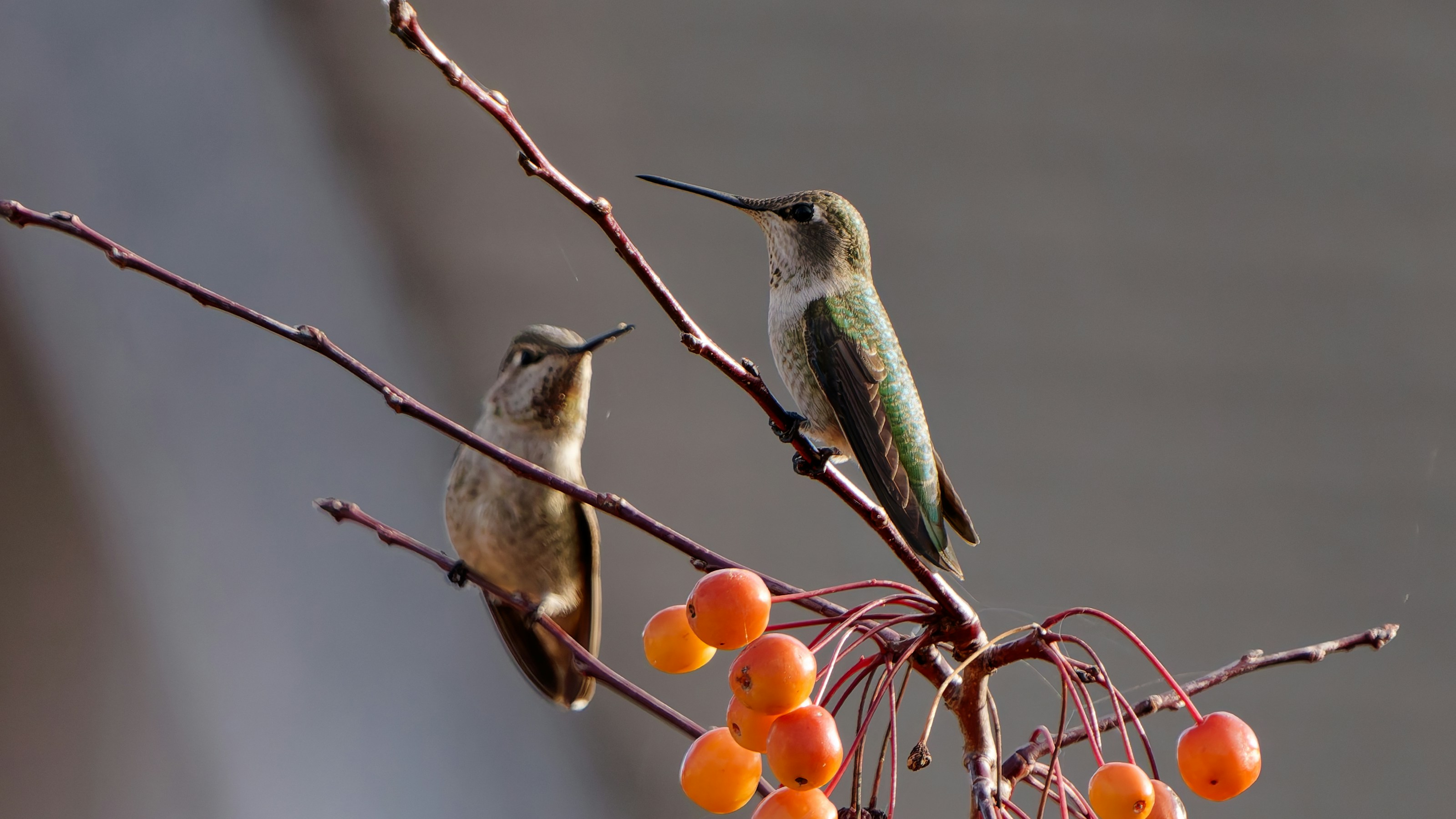
A quiet feeder usually means migration is happening as it should. Leaving your feeder up won't keep hummingbirds from leaving, and it gives late travelers a welcome place to refuel. Keep the nectar fresh, wait two to three weeks after your last sighting, and then clean and store the feeder until spring.
For a live look at where hummingbirds are right now, check out our Hummingbird Migration Map 2026.