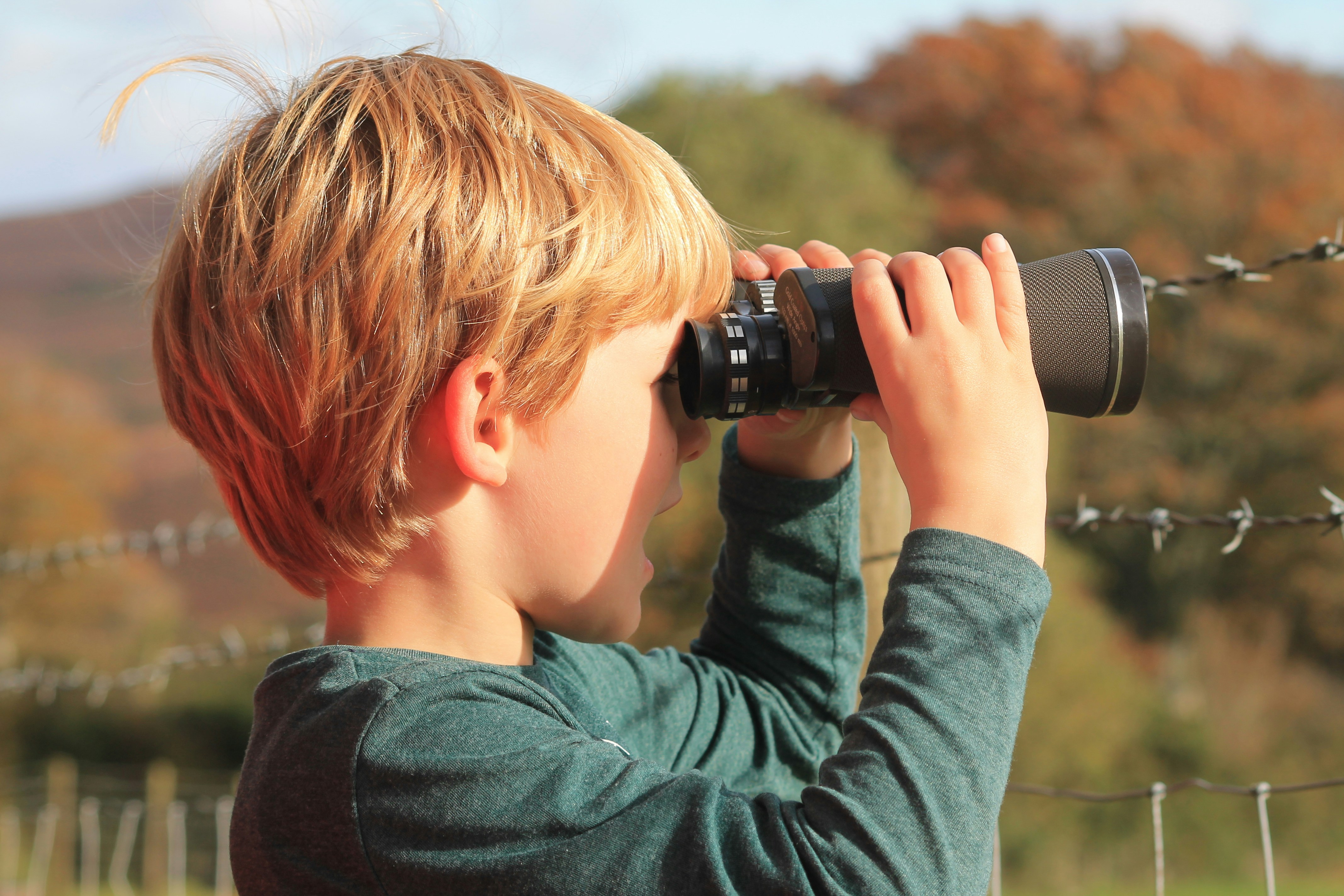
That framing isn't just intuition. Research on outdoor learning and nature connection consistently shows that children engage more deeply when nature experiences are active, sensory, and enjoyable rather than lecture-based. Studies report better student engagement, stronger wellbeing, and more ownership of learning in natural settings (Mann et al., 2022), while child-focused research links stronger nature connection with better psychological functioning and prosocial behavior in preschool-age children (Sobko, Jia & Brown, 2018).
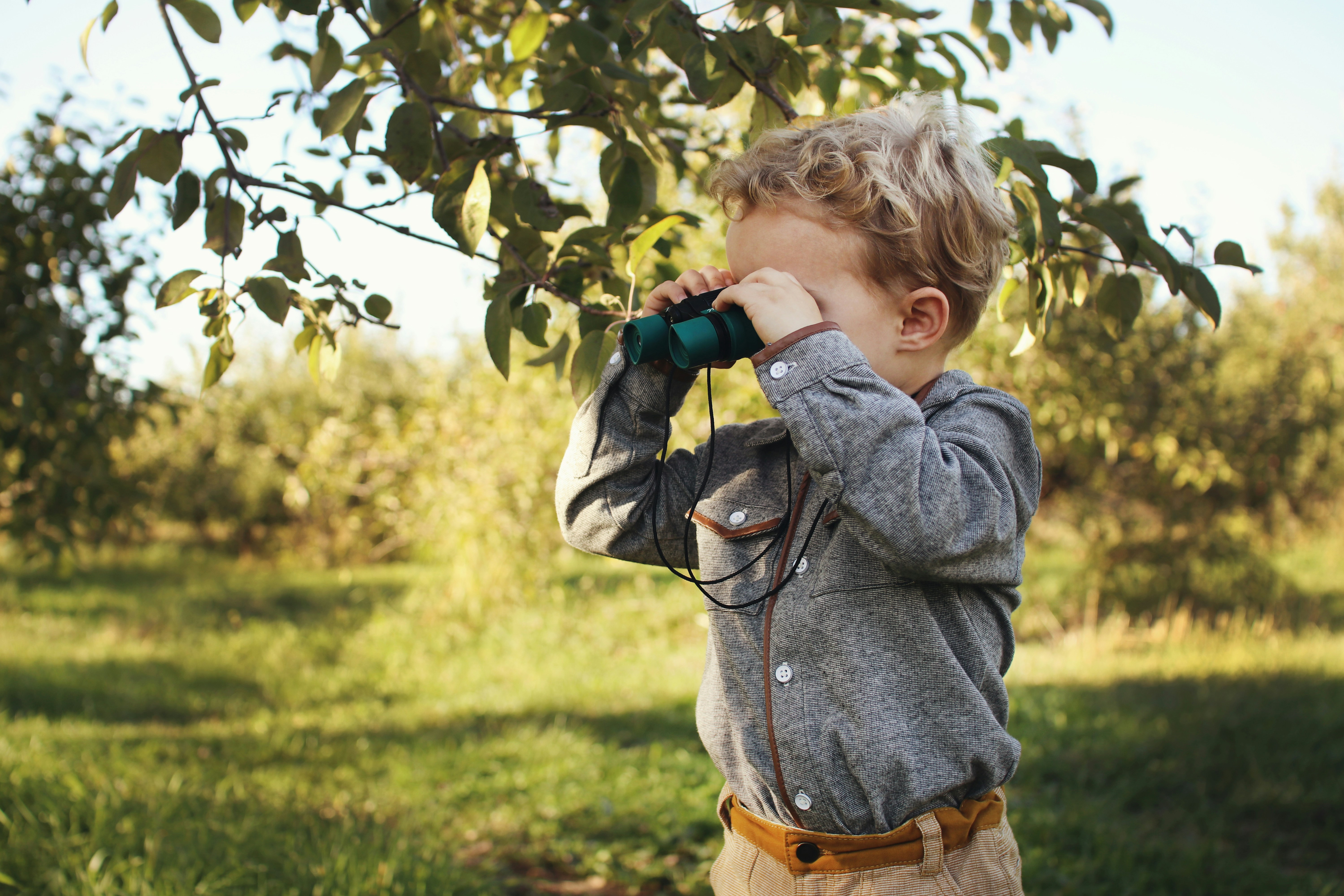
The good news is that you don't need hiking boots, a field guide, or a full morning in the woods to get started. A yard, balcony, park bench, or window view is enough. Even short exposures to nature help children recover attention and bird-specific research suggests that seeing or hearing birds is associated with improved mental wellbeing across age groups. A dedicated pilot study also found promising wellbeing gains from birdwatching sessions specifically, compared with generic nature walks.
In this guide, the goal is simple: help you turn birdwatching into something kids actually want to do again. You will find 15 easy backyard games and activities, quick setup ideas, seasonal suggestions, and practical tips for keeping curiosity alive without making the experience feel like homework.
Why Birdwatching Is Great for Kids
The case for birdwatching as a family activity goes beyond getting kids off screens. A review of 14 nature connection interventions found that immersive outdoor experiences, free play, and artistic engagement can deepen children's relationship with nature, and that younger children may retain those gains better over time (Barrable & Booth, 2020). A longitudinal school case study found that children who took on authentic outdoor responsibilities developed sympathy and care for nature that persisted two years later (Barthel et al., 2018).
Birdwatching sits naturally inside that research picture. Birds are everywhere, free to observe, and endlessly varied. They reward patience, but they also reward quick reflexes, sharp ears, and creative thinking. And crucially, they give children something specific to look for, which is exactly the kind of structured but open challenge that sustains engagement.
A 30-minute walk in a natural environment has been shown to produce faster and more stable attention in children compared with an urban environment . Birdwatching gives that outdoor time a focus and a reason to look closely. For parents, that combination of calming, educational, low-cost, and repeatable activity is genuinely hard to find.
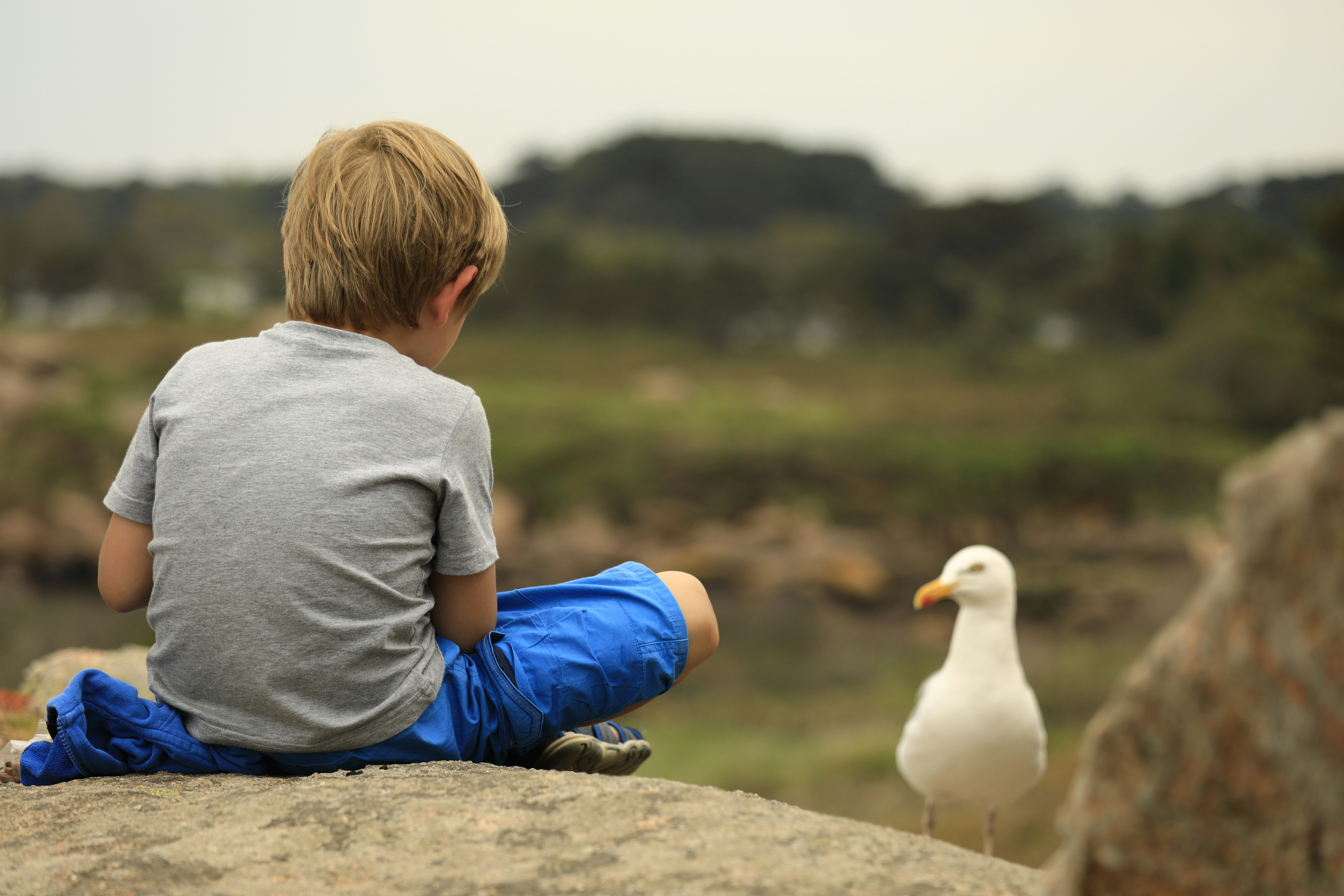
What Kids Need to Start Birdwatching in the Backyard
Almost nothing. That is the honest answer and one of birdwatching's biggest advantages over most outdoor activities.
The practical starter kit is a notebook and pencil for drawing or recording, a printable bird bingo card or simple checklist, a quiet spot with a view of trees, feeders, grass, or sky, and optionally a basic bird guide or a free app for identification follow-up. Binoculars are helpful but not necessary for backyard watching since many common species come close enough to observe without them.
The most important thing isn't equipment. It's framing. Introduce the first session as a game, not a lesson. Give children a specific, achievable challenge like "Can you spot three different birds before lunch?" rather than an open-ended instruction to "go watch birds." A quick win in the first session makes a second session far more likely.
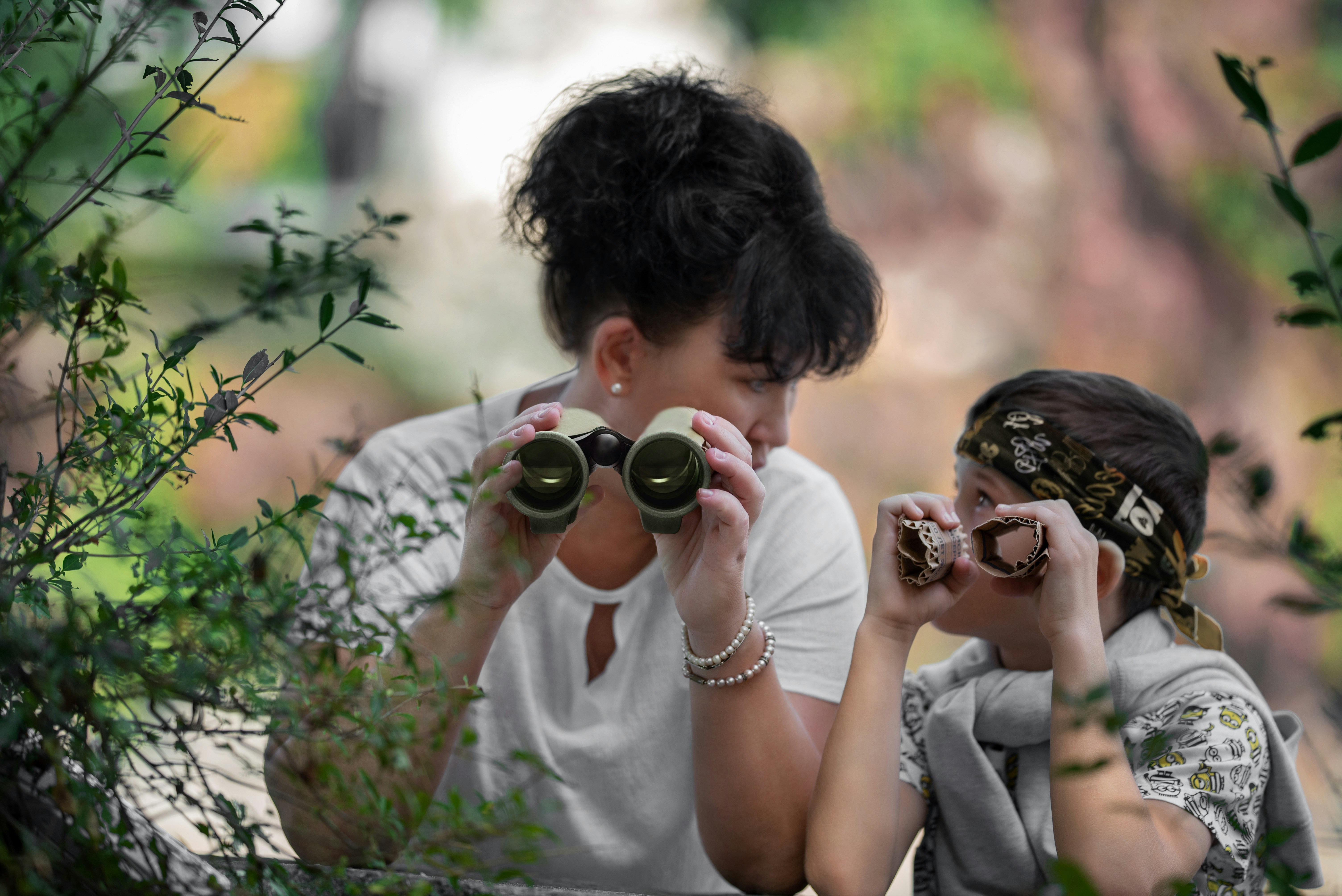
15 Easy Backyard Birdwatching Games and Activities
These fifteen activities are drawn from Cornell Lab K-12 Education and Audubon for Kids, alongside the child development research summarized above. They are organized by setup complexity, starting with the simplest.
Bird Bingo (ages 4-10, 10-20 minutes)
Make a simple grid featuring common backyard birds, colors, or behaviors. Children mark off squares as they spot each one. This works especially well for first sessions because the card gives children a clear purpose and a visible sense of progress. Printable versions are available through Cornell's educator resources, or you can draw a quick version by hand.
Color Hunt (ages 4-9, 10-15 minutes)
Give children a list of color categories: red, yellow, black, brown, blue, gray, white. Challenge them to find one bird for each. This works well because it requires no prior bird knowledge. Any child who can name colors can play. It also trains the eye to notice plumage variation without naming species, which is a useful foundation for later identification.
Sound Map (ages 6-12, 10-15 minutes)
Sit quietly for ten minutes with paper and a pencil. Each time a bird makes a sound, mark a dot or symbol on the paper, positioned roughly where the sound came from. The result is a personal map of the acoustic landscape around the child. This activity comes directly from Cornell's Explorer's Guidebook and is one of the most reliable engagement tools for school-age children.
Bird Detective Journal (ages 6-12, 15-20 minutes)
Rather than trying to name a bird immediately, children draw it, estimate its size relative to a familiar object, describe its color and what it was doing, and note where it landed. This builds real scientific observation habits without the pressure of correct identification. Keep expectations low on naming since the observation process is the point.
Feathered Freeze Dance (ages 3-7, 10 minutes)
Play music while children move around the room or yard. When the music stops, everyone freezes and points to a bird or bird shape they can see outside the window. This works particularly well for very young children who find sustained sitting difficult. It introduces the habit of looking for birds as a reflex rather than a chore.
One-Minute Bird Count (ages 5-12, 5-10 minutes)
Set a 60-second timer. Count every bird you can see or hear. Write down the number. Repeat at a different time of day and compare. This activity introduces the idea that bird activity varies by time and conditions, which is a genuinely interesting finding for older children, while keeping the session short enough for any attention span.
Bird Sketch Challenge (ages 5-12, 10-15 minutes)
Pick one bird and draw it in two minutes. Then look again and add one detail you missed the first time. The two-stage process is important: the first sketch forces close attention, and the revision builds the habit of looking again rather than accepting the first impression. Colored pencils or crayons make this more appealing for younger children.
Beak-and-Food Match (ages 7-12, 15-20 minutes)
Watch who eats what at the feeder and try to match beak shape to food type: thick-billed finches cracking seeds, slender-billed wrens probing for insects. This is one of the most science-rich activities on the list because it introduces adaptation and function in a directly observable way. Cornell's All About Birds is a reliable reference for follow-up identification.
Backyard Nest Watch From Afar (ages 6-12, 10-15 minutes)
Observe where birds carry nesting material or food without approaching the nest. This activity has a natural safety lesson built in since active nests must not be touched or disturbed, and many are legally protected under U.S. Fish and Wildlife Service guidance. It teaches children to distinguish observation from interference.
Bird Movement Charades (ages 4-10, 10 minutes)
Act out bird behaviors: hopping, pecking, soaring, drumming, flitting, diving, while others guess. No materials needed. This is a useful indoor or rainy-day option that builds behavioral vocabulary and keeps the topic alive between outdoor sessions.
Morning vs Evening Challenge (ages 7-12, two short sessions)
Record which birds appear before school and which appear after dinner, then compare. Older children often find it genuinely surprising that the cast of characters changes across the day. This activity introduces time-of-day patterns and creates a built-in reason to return to the same spot twice.
Mystery Bird Clues (ages 5-10, 10 minutes)
An adult gives a series of increasingly specific clues: size, color, location, call, feeder preference, while the child guesses. Keep clues simple and make sure the child gets to the right answer eventually. Confidence after a correct guess is a strong driver of wanting to play again.
Window Feeder Watch (ages 4-10, 5-15 minutes)
Follow one bird visit from start to finish: arrival, approach, feeding, pausing and scanning for danger, then departure. The complete sequence is more interesting than a snapshot, and it teaches children that birds are not just decorative; they are making constant decisions. This activity works especially well when paired with a feeder camera or a Birdbuddy feeder that captures the full visit.
Habitat Scavenger Hunt (ages 5-12, 15-20 minutes)
Find examples of everything a bird needs in the backyard: water, shelter, food sources such as seeds, insects, and fruit, trees or shrubs for cover, and potential nesting spots. Cornell's Habitat Scavenger Hunt is an excellent printable template. This activity works particularly well as a first session because it gives children a framework for understanding why certain birds appear in certain gardens.
Family Bird Challenge Jar (ages 4-12, 10-15 minutes)
Write prompts on slips of paper and put them in a jar: "find a bird using its feet," "spot two different species in one minute," "listen for three different calls," "find a bird that isn't at the feeder." Draw one prompt per session. The jar format makes the activity self-renewing since there is always a new challenge, and rotating easy and harder prompts keeps it accessible across age groups.

How to Keep Kids Interested After the First Week
The activities above work for a first session. Keeping the habit going requires a slightly different strategy.
The most effective approach is building a repeatable backyard ritual around the same feeder, the same notebook, and the same simple question: "Who did we see today?" Consistency of place matters because children begin to notice change over time, a new species arriving or a familiar bird disappearing for winter, and that noticing is intrinsically rewarding in a way that a one-off activity isn't.
Research on children's technology use during outdoor activities found that apps and tools sustain engagement when they support outdoor attention rather than replacing it. Identification apps fit this pattern well because they answer the "what is that?" question in seconds, which keeps momentum going rather than ending the session in frustration.
For older children, connecting backyard observations to real science participation extends motivation significantly.
If your family gets hooked on backyard birdwatching, Birdbuddy makes the habit easier to keep.
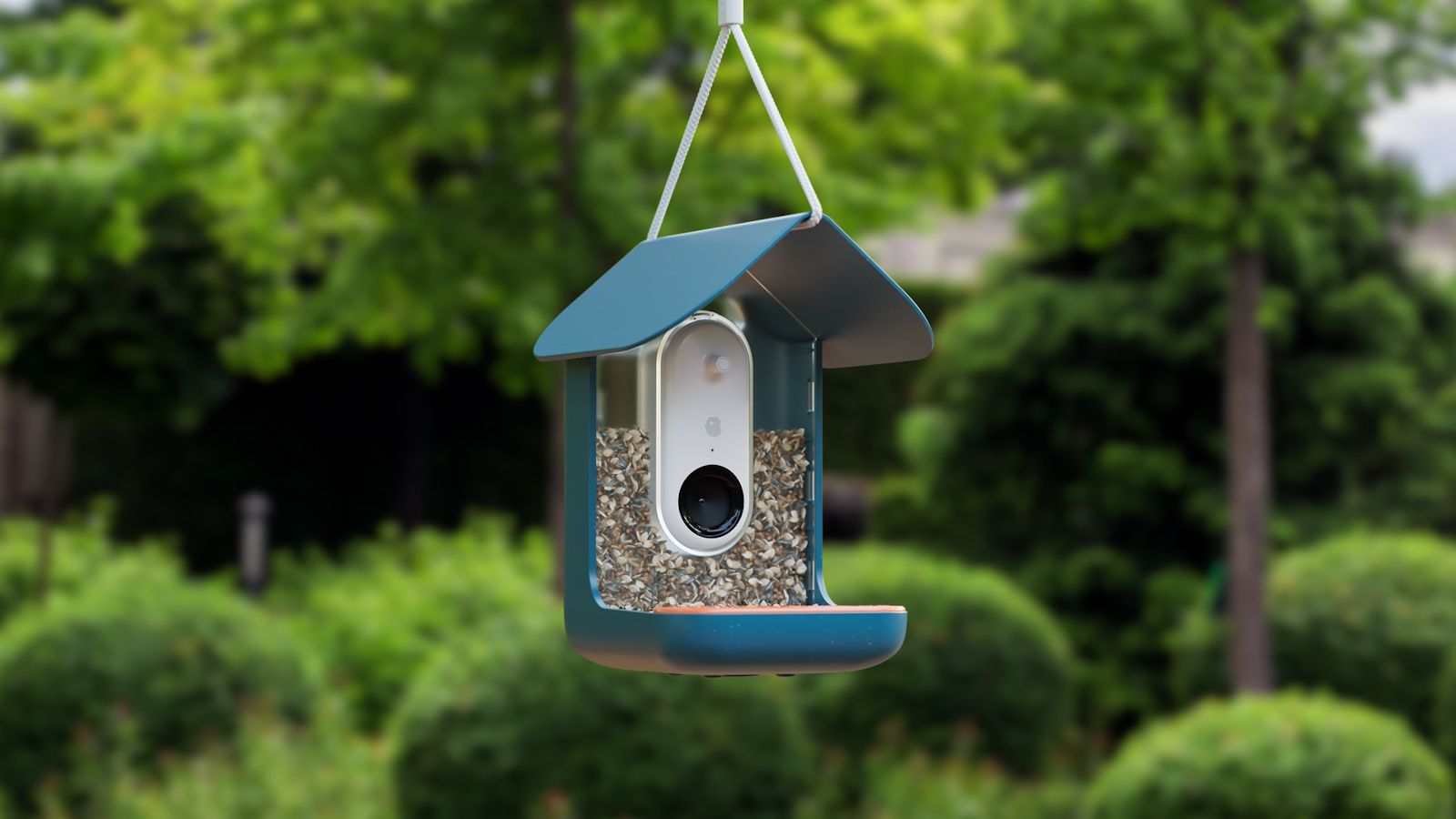
Instead of waiting and wondering who visited, Birdbuddy alerts you to new visitors, captures close-up photos and videos automatically, identifies species using AI, and lets family members share sightings together. For children especially, the combination of surprise alerts, instant identification, and a growing personal photo collection turns birdwatching from a one-off activity into a daily ritual. Explore Birdbuddy for family birdwatching at mybirdbuddy.com.