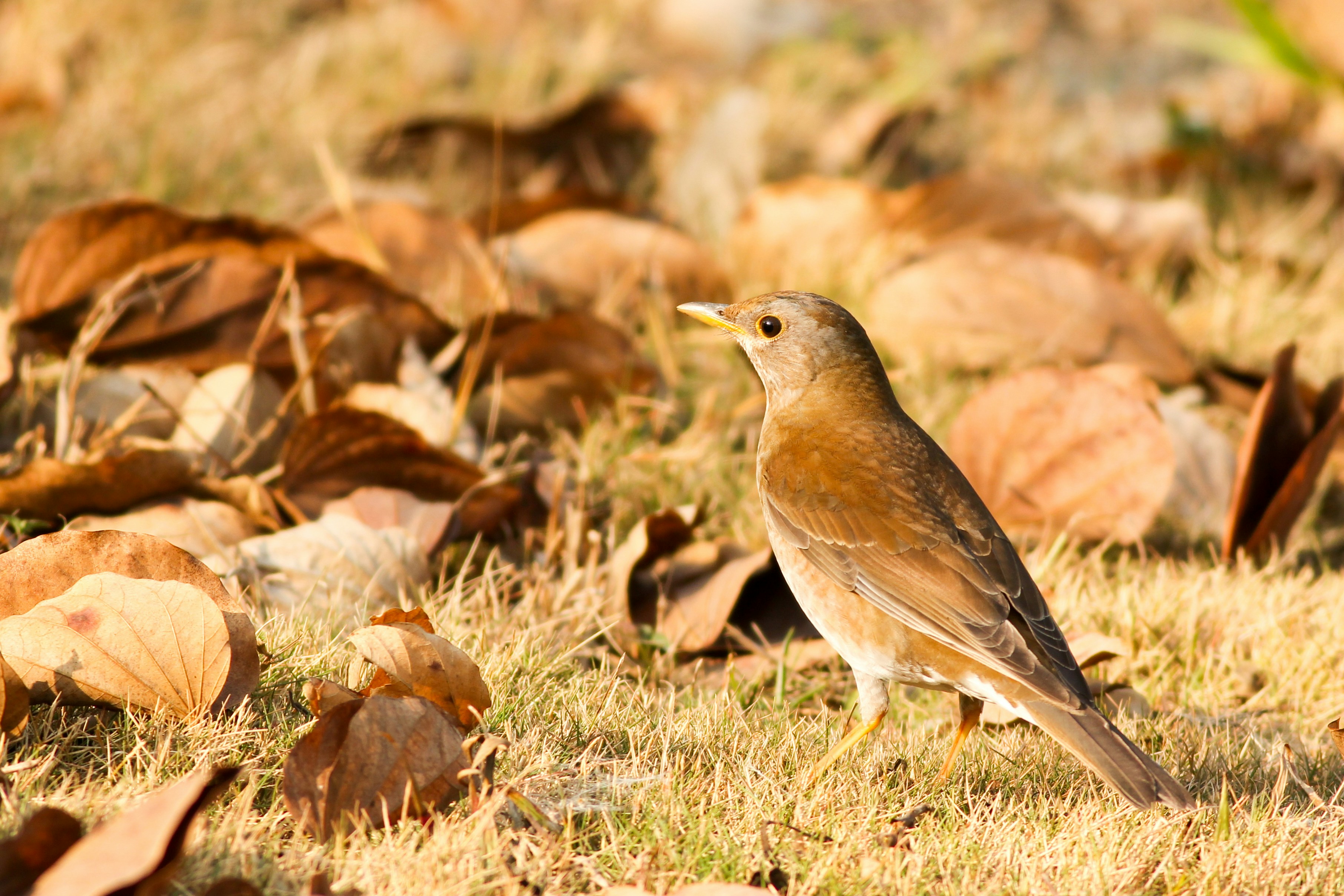
What the official guidance says
The US Department of Agriculture (USDA) does not recommend removing backyard bird feeders to prevent avian influenza. The one exception is if you keep poultry. The USDA's wildlife disease program considers the risk of an outbreak among wild songbirds to be low.
Cornell Lab of Ornithology agrees. Its All About Birds guide, last updated in January 2026, says there is "no official recommendation to take down feeders unless you also keep domestic poultry." The Centers for Disease Control and Prevention (CDC) takes a similar approach with bird hobbyists. Its advice is about hygiene and avoiding contact with sick birds, not about getting rid of feeders.
So if your feeder is surrounded by chickadees, cardinals and finches, and you have no chickens, you don't have to change what you feed. What matters is how you look after the feeder.
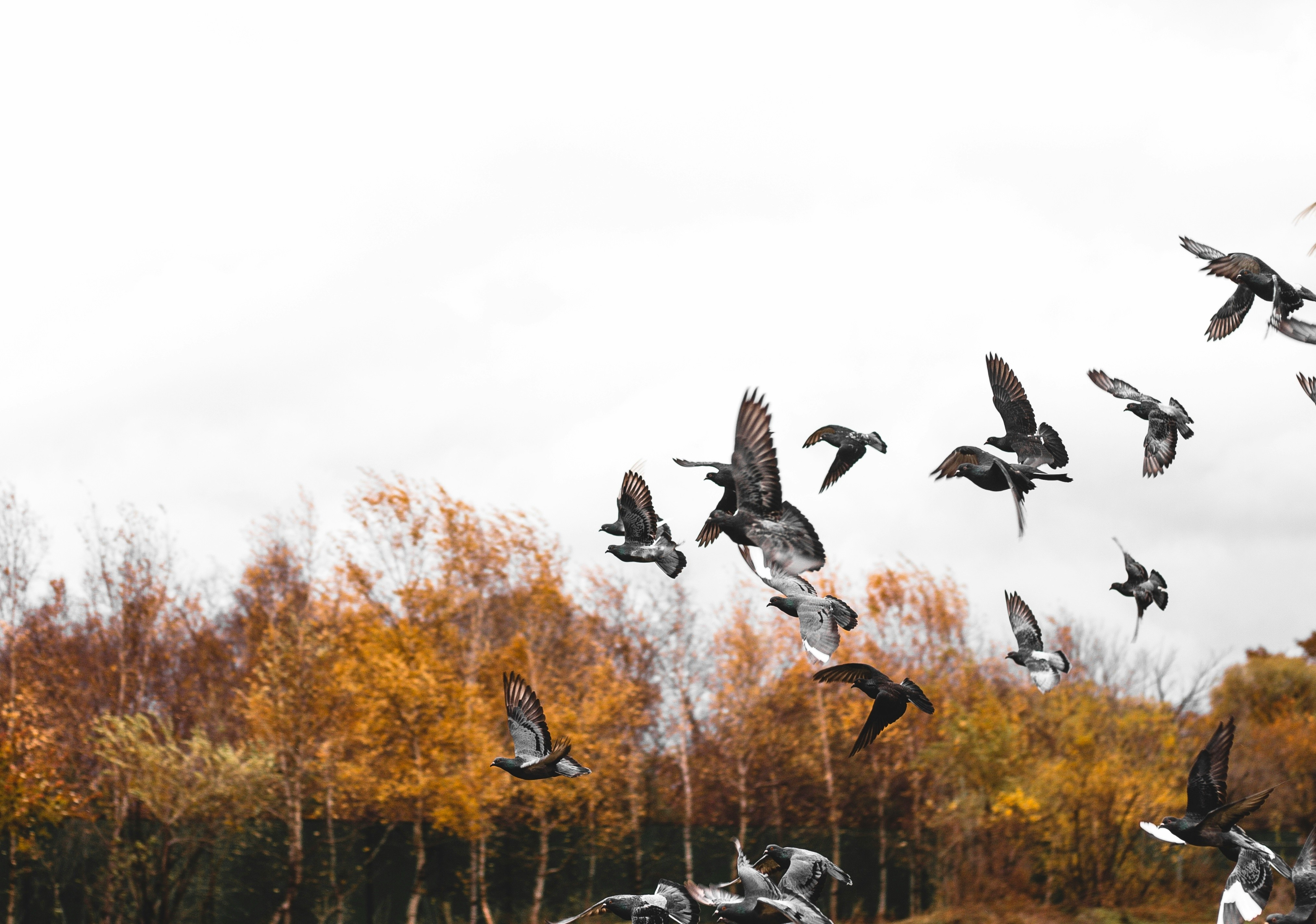
Who's actually at risk
Highly pathogenic avian influenza (HPAI), including the H5N1 strain behind the current wave, mostly affects a different group of birds than the ones at your feeder. Most wild-bird cases have been in:
- Waterfowl, such as ducks, geese and swans, which can carry the virus and spread it through shared water
- Raptors, such as hawks, eagles and owls, which catch it by eating infected prey
- Scavengers and gulls, including crows, ravens, magpies and vultures, which feed on carcasses
Typical seed-feeder songbirds make up only a small share of reported cases. Their risk isn't zero, but the pattern is clear: bird flu spreads mainly through water, predation and scavenging, not through a tube of sunflower seed.
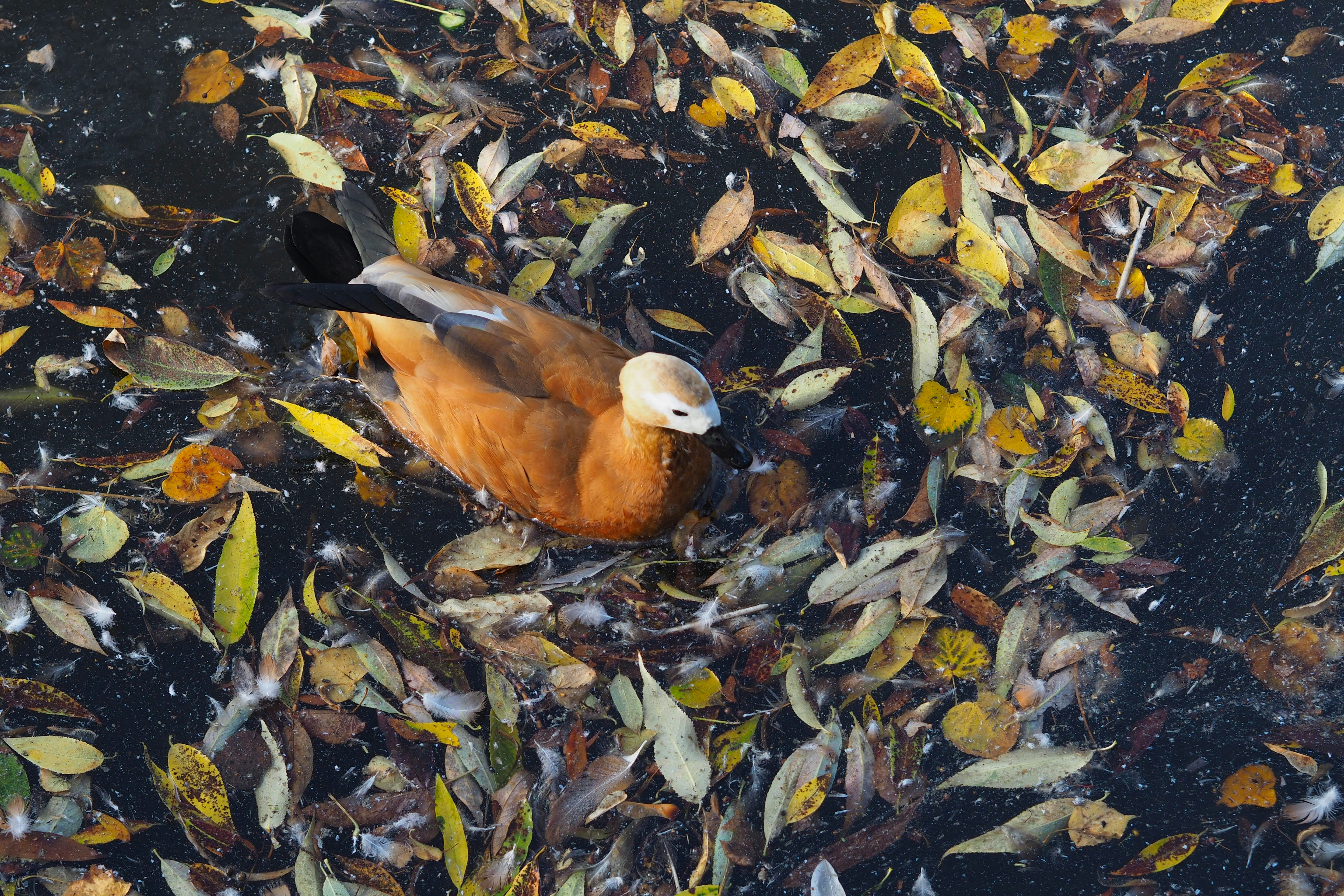
The exception: if you keep backyard poultry
If you keep chickens, ducks or other poultry, the advice changes. Domestic poultry are extremely vulnerable to HPAI. Cornell explains that the main concern with songbirds is the rare chance that one could pass the infection to a flock.
In that case, take your feeders down, or at least move them well away from your coop and run. Keep wild birds, especially waterfowl, away from your poultry's food and water. Your local Audubon chapter and state agriculture department can tell you about current outbreaks in your area.
The other side of the argument
Not everyone agrees. In August 2026, ScienceDaily published a piece by Darryl Jones, an ecologist at Griffith University in Australia. He argues that feeders bring many bird species together in unnaturally large groups, which could help H5N1 spread. His strongest advice is to stop feeding altogether. If you do keep feeding, he suggests offering less food, avoiding hand-feeding and cleaning feeding surfaces regularly with bleach.
That's a fair point, and bird-feeding groups in Canada and elsewhere are having the same debate. It's also written for an Australian setting, with different species and outbreak conditions. US agencies haven't changed their position. Even so, both sides agree on one thing: whenever birds gather in one place, keeping that place clean matters. Whether you're relaxed or cautious, cleaning is the most useful thing you can do.

What to do instead of taking your feeder down
For most US backyards, a solid hygiene routine goes much further than removing the feeder:
- Clean feeders about every two weeks, and more often in wet/hot/humid weather, during busy periods or when disease is reported nearby. Scrub off old seed and droppings, soak in a solution of one part bleach to nine parts water, rinse well and let the feeder dry completely before refilling.
- Refresh birdbaths often. Standing water shared by many birds can help bird flu spread, so change the water every few days and scrub the basin with a solution of nine parts water to one part white vinegar. Avoid bleach, rinse thoroughly, and let it dry in the sun before refilling.
- Rake up spilled seed and droppings uunder the feeder. They can attract crowds of birds and pests like rats and raccoons, and spread harmful bacteria such as Salmonella, which can cause potentially fatal salmonellosis.
- Wear disposable gloves while cleaning and wash your hands with soap and water afterward. Do this every time, not just during an outbreak.
- Don't touch sick or dead birds. If you notice several dead birds, or signs of illness in ducks, geese, hawks or crows, report it to your state wildlife agency. If you see a sick bird at your feeder, take the feeder down, clean it thoroughly and wait a week or two before putting it back.
- Check local guidance. State advice can change faster than federal advice. The Wild Bird Feeding Institute keeps an up-to-date list of state and federal HPAI updates.
None of these steps are new. They're the same good habits that help prevent salmonella, conjunctivitis and other common feeder diseases. Bird flu is just a good reason to stick with them.
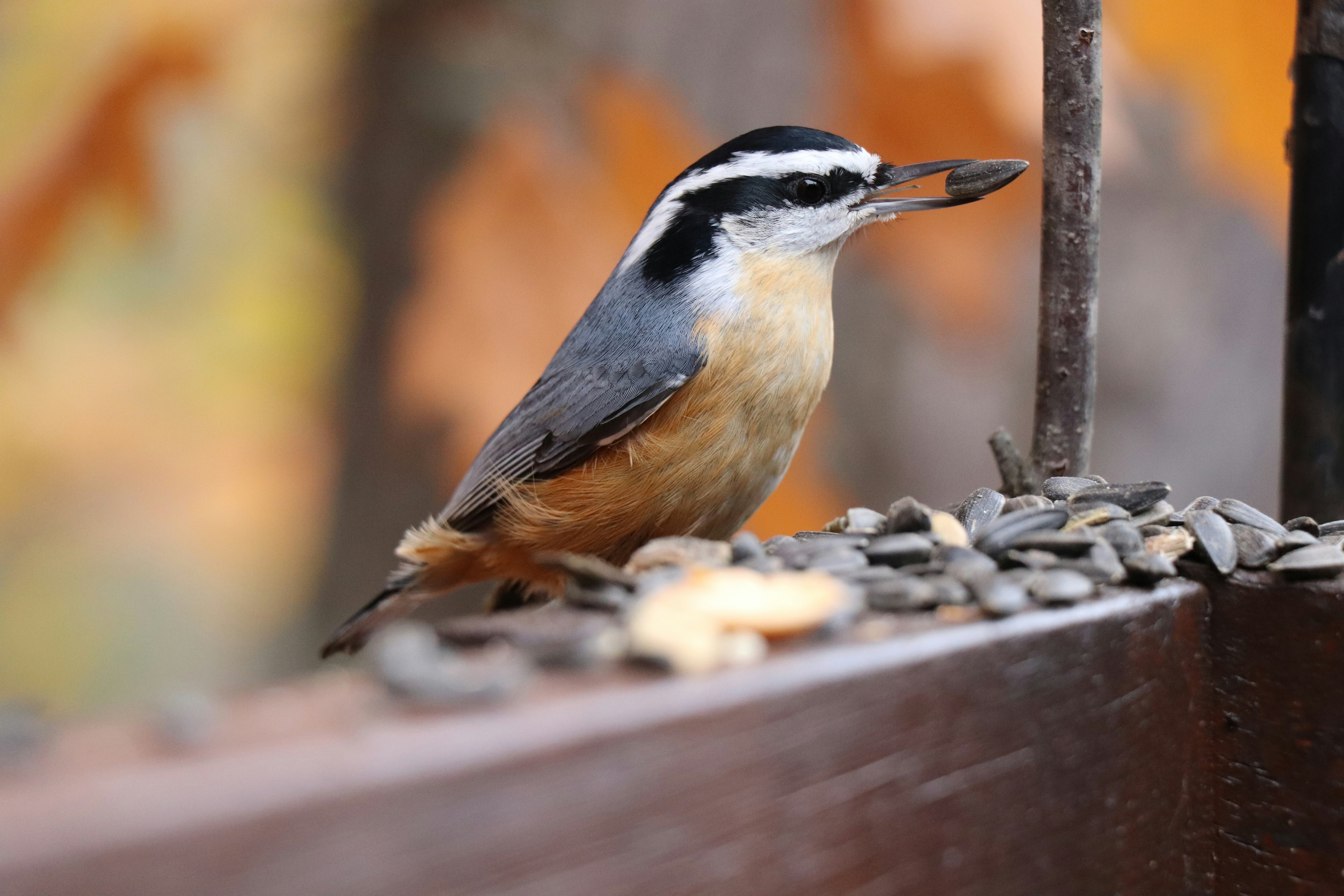
How Birdbuddy helps
Since cleaning is the one thing everyone agrees on, it helps if it's easy. Birdbuddy's feeder comes apart for cleaning, so you can wash and dry each part properly instead of reaching into narrow gaps with a brush.
The camera helps too. You can watch visitors up close without going near them and spot warning signs such as crusty, watery, or partly closed eyes; discharge from the eyes or nostrils; trouble flying or balancing; or unusually sluggish behavior. A bird that stays put when approached closely may also be unwell.
Matted, oily, or wet-looking feathers, especially around the face and chest, can be another sign when accompanied by unusual behavior. Molting cardinals can look scruffy or temporarily lose head feathers, so appearance alone doesn’t necessarily mean a bird is sick.
If something looks wrong, take the feeder down for cleaning. Avoid touching or handling the bird.
The takeaway
Bird flu is serious, but for most US backyard birders it isn't a reason to stop feeding. Official guidance says songbirds are at low risk, and the advice to remove feeders applies mainly to people who keep poultry. Some experts are more cautious, and that's worth keeping in mind. Either way, the advice comes back to keeping your feeder clean, keeping your distance from sick birds and staying up to date on outbreaks in your area.