There's no such thing as one perfect seed
Black-oil sunflower gets treated like the birdseed equivalent of a Swiss Army knife, and it earns that reputation. Thin shell, high fat content, eaten by nearly everyone from chickadees to cardinals to half your local woodpeckers. If you're only ever going to buy one thing, buy this.
But "the best single seed" and "the only seed you need" are two very different claims, and mixing them up is how a lot of feeding setups quietly fail half their visitors. Sunflower alone does nothing for a Dark-eyed Junco, which forages on the ground and mostly ignores hanging feeders. It does nothing for a hummingbird, an oriole, or a bluebird, none of which are seed birds to begin with. Audubon's own birdseed guide backs this up, calling out sunflower, millet, and cracked corn as the genuinely useful core of a blend, while most of the milo, wheat, and oats padding out cheap bags barely get touched.
The fix isn't a better single seed. It's a small, deliberate portfolio:
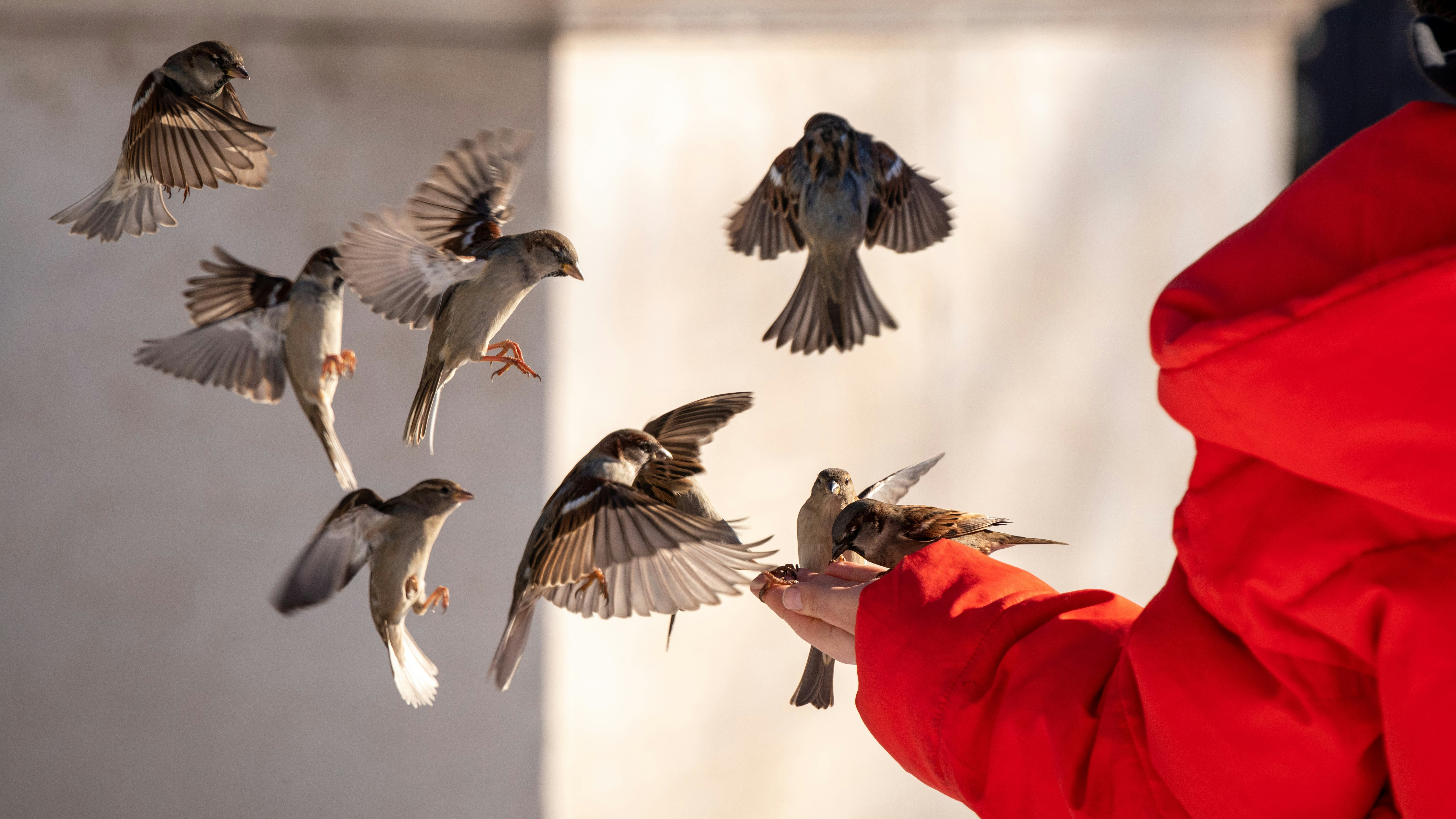
- White proso millet, scattered low or on a ground tray, is what actually gets you juncos, sparrows, towhees, and doves birds that either can't or won't use a hanging feeder.
- Nyjer, in a fine-mesh feeder, is the finch specialist's food: goldfinches, siskins, redpolls. Expensive, and largely ignored by everything else, but nothing replaces it if finches are the point.
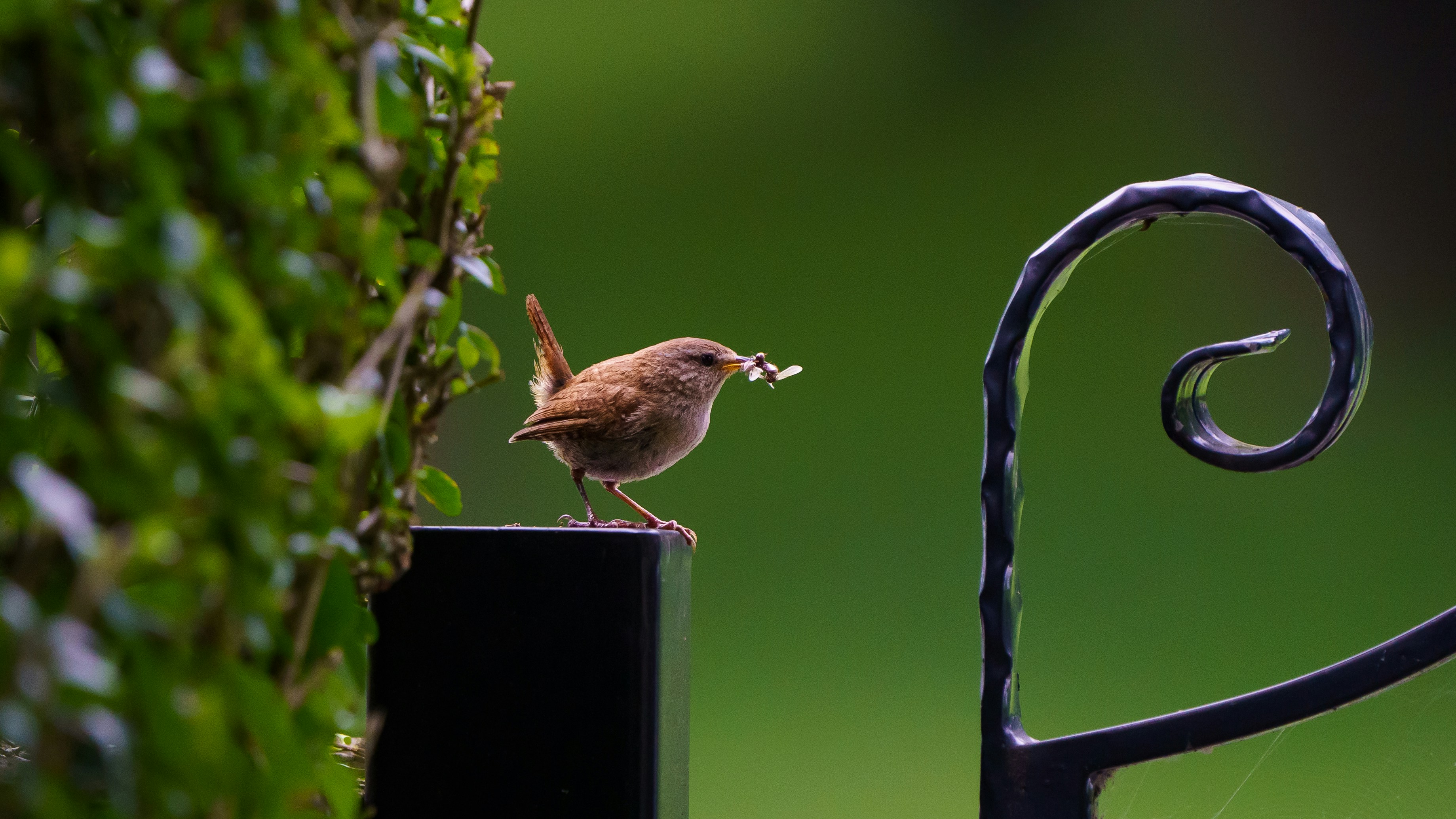
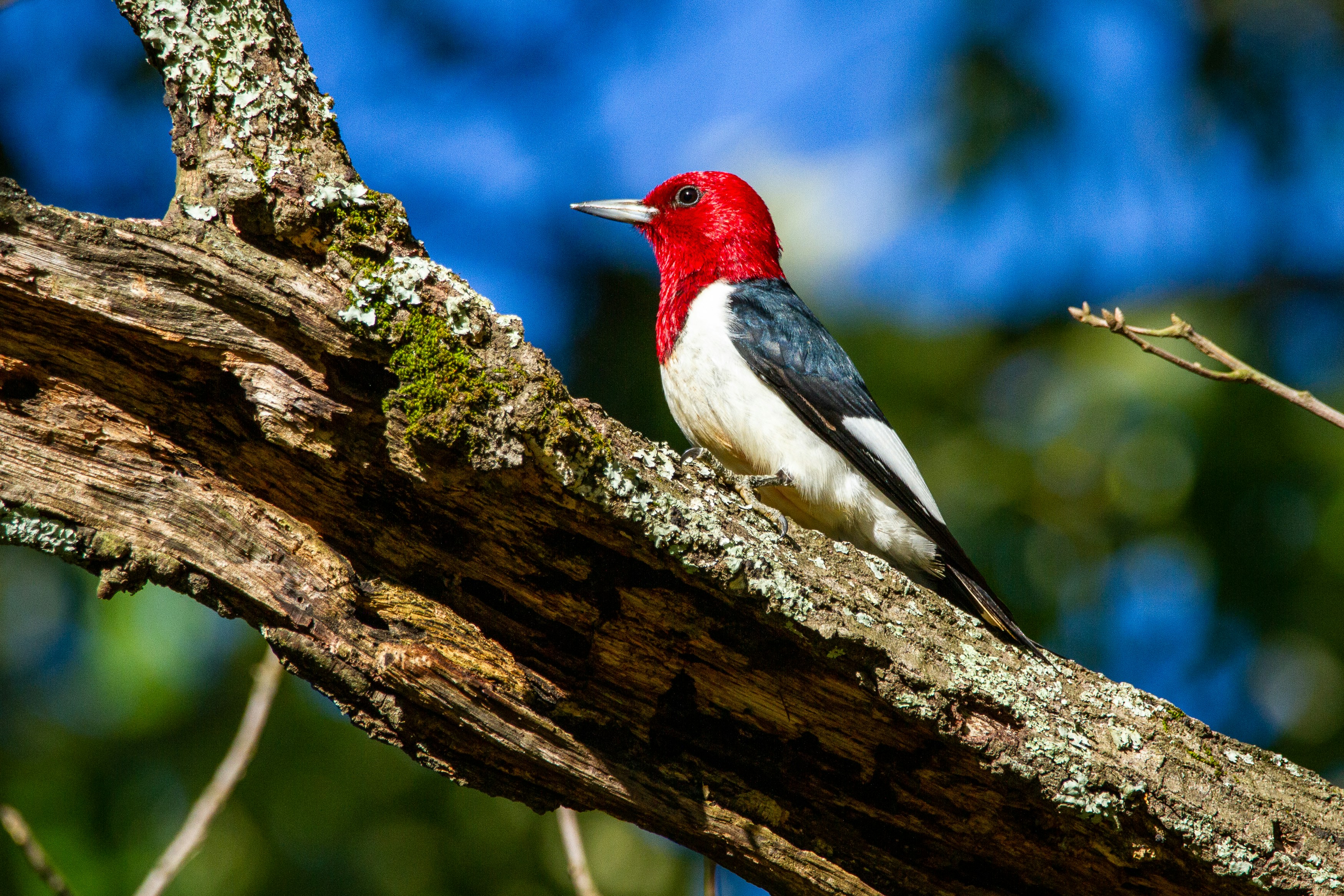
- Suet and unsalted peanuts bring in the bark-foraging crowd, woodpeckers, nuthatches, chickadees, titmice, wrens, who need fat and protein more than they need seed, especially once the weather turns.
- Mealworms and fruit reach the birds that don't eat seed at all: bluebirds, robins, mockingbirds, orioles.
Same foods, completely different guest lists
Here's where it gets regional. The food categories above hold up nationwide: sunflower, millet, suet, a specialist option, and water are the stable backbone almost everywhere. What changes dramatically is who shows up to eat them, and that has real implications for how you set up your yard.
- Northeast and Mid-Atlantic is the classic feeder line-up most bird content defaults to: chickadees, juncos, cardinals, Downy Woodpeckers, Blue Jays, goldfinches, House Finches, titmice. A sunflower feeder, a low millet tray, and a suet cage will cover almost the whole roster.
- Southeast swaps in Carolina Chickadees and Carolina Wrens, leans harder on bluebirds and hummingbirds in warm months, and needs a second thought about suet: go with a no-melt formula and keep it shaded, because regular suet turns to soup fast in that heat.
- Midwest and Great Plains brings flocking blackbirds and grackles into the mix, which means you may want a separate feeder just to keep them from steamrolling the smaller birds' food supply. It's also the transition zone between Baltimore and Bullock's Orioles, if you want to get nerdy about it.
- Pacific Coast and Northwest essentially recasts the whole show: Anna's Hummingbirds instead of Ruby-throated, Lesser Goldfinches alongside American, California or Steller's Jays instead of Blue Jays, Chestnut-backed Chickadees. Same food categories, entirely different cast.
- Interior West and Southwest is where cracked corn and milo, generally considered filler everywhere else, actually earn their keep, mostly for doves and quail. This is also the region where water and shade start to matter as much as what's in the feeder, and where local wildlife guidance (looking at you, bear country).
If you've been feeding birds using advice written for a different region than your own, this is probably why your feeder looks nothing like the photos.
The seasons are doing their own thing, too
Feeding isn't a "set it and forget it" arrangement even within a single yard. Spring and summer flip the script almost entirely, even committed seed-eaters like cardinals and chickadees switch to feeding their nestlings insects, because growing chicks need protein more than they need carbs. This is a good reminder that the bird feeder is a supplement to a yard's insect population, not a replacement for one, which is as good an argument as any for going easy on the pesticides. Fall is migration season, when orioles and hummingbirds might swing through your feeders on their way somewhere else, though it's worth knowing their timing is driven by day length, not by how generous you've been with the nectar. And winter is when feeders do their most obvious good: natural insect life drops off, seed and suet become genuinely important, and your local mix might get temporarily invaded by whoever's having an irruptive year: Pine Siskins, redpolls, Red-breasted Nuthatches, unpredictable and worth watching for.
A setup that covers almost everyone
If you want a version of this that doesn't require four separate shopping trips, here's the shorthand:
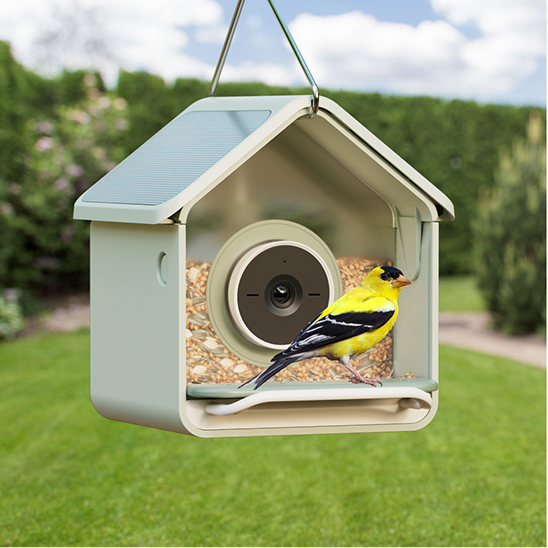
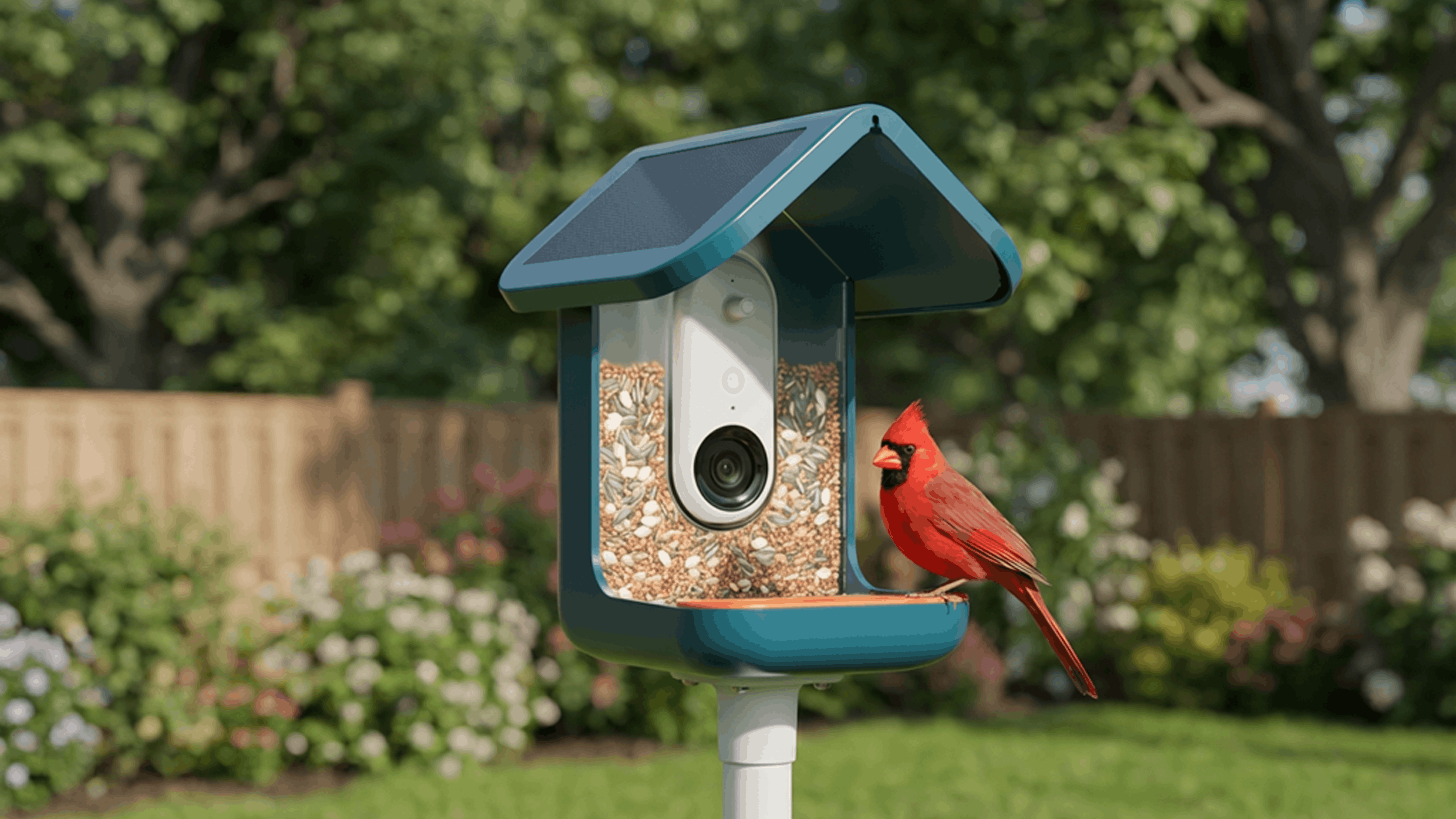
For a simple Birdbuddy setup, black-oil sunflower seeds are a good starting point. They attract a wide range of common visitors, including chickadees, titmice, cardinals, finches, and nuthatches. The open feeding area can also accommodate larger birds, although ground-feeding species such as juncos, sparrows, doves, and quail may be more likely to eat seed that falls below the feeder.
No single food will attract every species. Birds such as woodpeckers may prefer suet or peanuts, while goldfinches are often drawn to Nyjer, bluebirds to mealworms, orioles to fruit, and hummingbirds to nectar.
The unglamorous part that actually matters
None of this works if the feeders themselves become a hazard. Clean seed feeders roughly every two weeks, more in wet or heavily-used conditions with a scrub, a mild bleach rinse, and a full dry-out before refilling. Hummingbird nectar needs changing every three to five days, sooner in heat, no soap needed, just hot water and a bottle brush. If you ever see a visibly sick bird at your feeder, that's the signal to take everything down, clean thoroughly, and wait before putting it back up, not a suggestion, an actual protective measure for the flock.
Window strikes are worth a mention too, since a busy feeder means more birds moving fast near glass. The Fish and Wildlife Service's rule of thumb is either move feeders within about three feet of a problem window, so birds can't build up dangerous speed before impact, or apply collision deterrents spaced roughly two inches apart on the outside of the glass.
The takeaway
Food preference tracks feeding ecology, not personal taste:, ground foragers need low access, bark foragers need suet and peanuts, finches need small oilseeds, and nothing changes that by offering more sunflower. Sunflower is the anchor, not the whole answer. And the birds you're trying to attract are largely a function of where you live, which means the "best" feeder setup was never going to be a single universal answer in the first place.
This is honestly where having a smart feeder pulls its weight, instead of guessing who's actually showing up and eating what, you get to watch it happen in real time, species by species, and adjust your setup based on your actual yard instead of a national average.