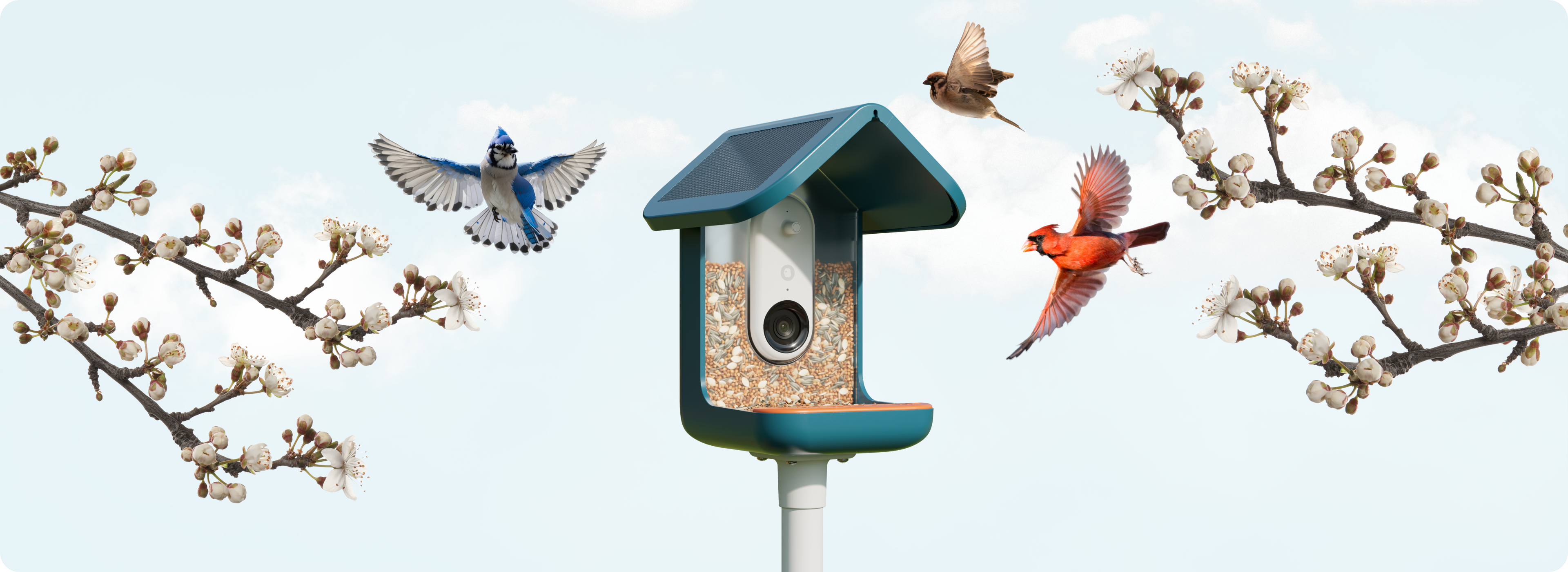
To help you support birds safely this season, our in-house ornithologist has prepared a set of practical guidelines for responsible bird feeding. Feeders, DIY feeding stations, bird baths, and similar backyard features can unintentionally become hotspots for the spread of serious diseases such as salmonellosis and trichomoniasis. A few mindful habits can make a meaningful difference. By taking the time to understand and apply these recommendations, you’re helping create a safer environment for the birds that rely on your care.
Establish multiple feeding stations
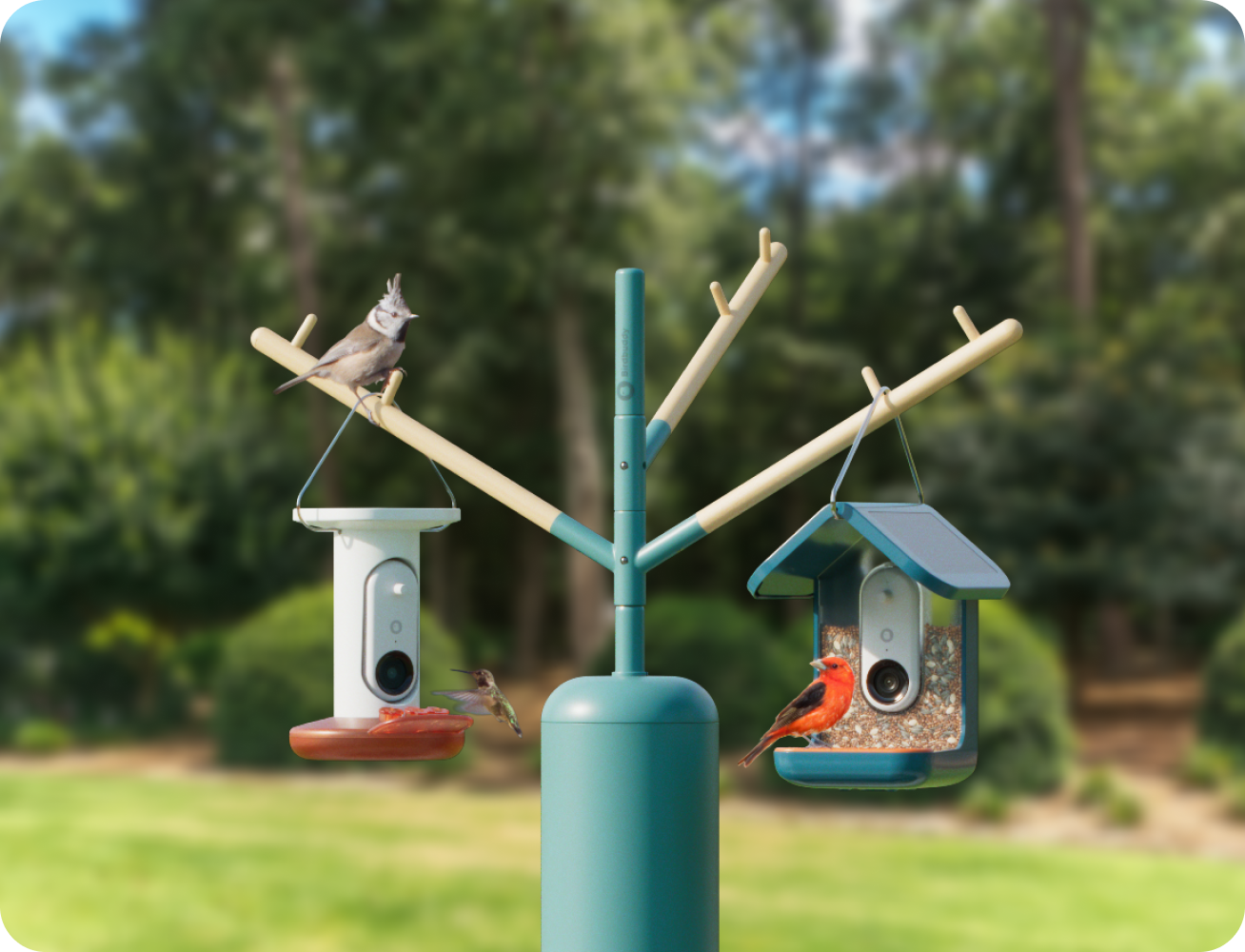
Spreading food and water sources across multiple feeding stations helps reduce the buildup of droppings and seed waste, both of which can contribute to the spread of serious diseases through contaminated feeders and bird baths. Giving birds more space also lowers stress and competition, creating a calmer, safer environment where disease transmission is less likely to occur.
Clean under feeders regularly
Seed waste doesn’t just disappear once it falls to the ground. When it builds up under and around feeders, it can attract unwanted pests such as rats and create conditions where harmful bacteria can thrive, putting birds at risk of serious, often fatal diseases. Rake beneath feeders regularly and dispose of seed waste in pest-proof garbage cans.
Clean feeders regularly
Feeders should be cleaned at least once a week during the warmer months using a diluted bleach solution (one part bleach to nine parts water). During periods of high heat, humidity, or heavy rain, increase cleaning frequency to prevent moisture buildup and the growth of dangerous mold and bacteria, both of which can be fatal to birds.
Use feeders that are easy to clean
Not all feeders are equally safe. Choosing feeders made from easy-to-clean materials, such as plastic, makes it much easier to properly remove harmful residue and bacteria. Wooden feeders, while beautiful, tend to absorb moisture and are more difficult to sanitize thoroughly over time. A feeder that’s easy to maintain is ultimately better for the birds that depend on it.
Ensure feeders are watertight
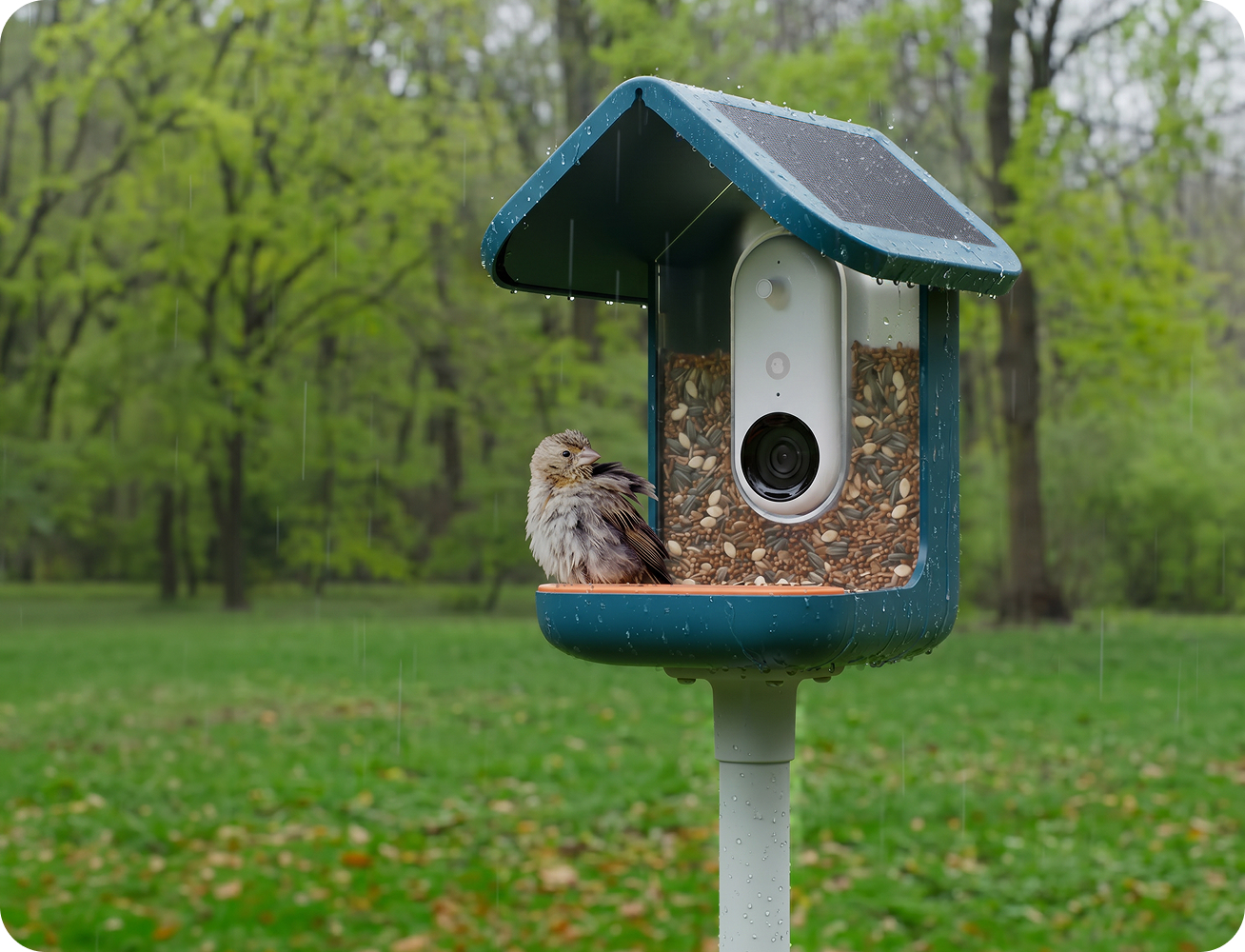
Inspect feeders regularly for condensation or moisture buildup inside the seed chamber, and clean them immediately if you notice dampness. Even small amounts of trapped moisture can quickly lead to mold growth and seed spoilage, creating serious health risks for birds.
Cracked or damaged feeders should also be replaced without delay. When seeds are exposed to warm, humid air, they deteriorate rapidly and can become unsafe to eat. A well-maintained, watertight feeder helps ensure that the food you offer remains fresh, nutritious, and safe for every visitor that stops by.
Only provide 1–2 days’ worth of seed
Offering smaller amounts of seed at a time helps keep food fresh and feeders healthier. Limiting how much seed sits in the feeder:
- Reduces moisture and condensation buildup, lowering the risk of dangerous mold development.
- Makes regular cleaning easier, since birds naturally empty the feeder more quickly.
Fresh seed is one of the foundations of responsible bird feeding, especially during the warmer summer months. A simple habit like refilling more often and providing suet balls, instead of overfilling, can make a meaningful difference.
.png)
Avoid buying seed in bulk
It’s best to buy only as much seed as your birds are likely to eat within the next month. While stocking up may seem convenient, bird seed can spoil quickly, especially when stored in garages, sheds, or other non-climate-controlled spaces where seasonal heat and humidity fluctuate.
As seed ages, the risk of mold growth increases, and moldy seed can be extremely dangerous, even fatal, for birds. Always inspect seed before refilling feeders, and discard anything that appears damp, clumped, moldy, or expired. (Yes, bird seed does expire.)
Pay attention to local disease notices
If avian disease has been detected in your area, remove all feeders and bird baths immediately until local wildlife authorities confirm it is safe to resume feeding. Temporarily pausing feeding efforts can play a crucial role in slowing the spread of disease and protecting vulnerable bird populations.
Responsible birdwatching is easier when we do it together. If you’d like more guidance or inspiration, join our Official Facebook Community to see how fellow members are helping protect biodiversity in their own backyards, or reach out to our support team anytime.
.png)