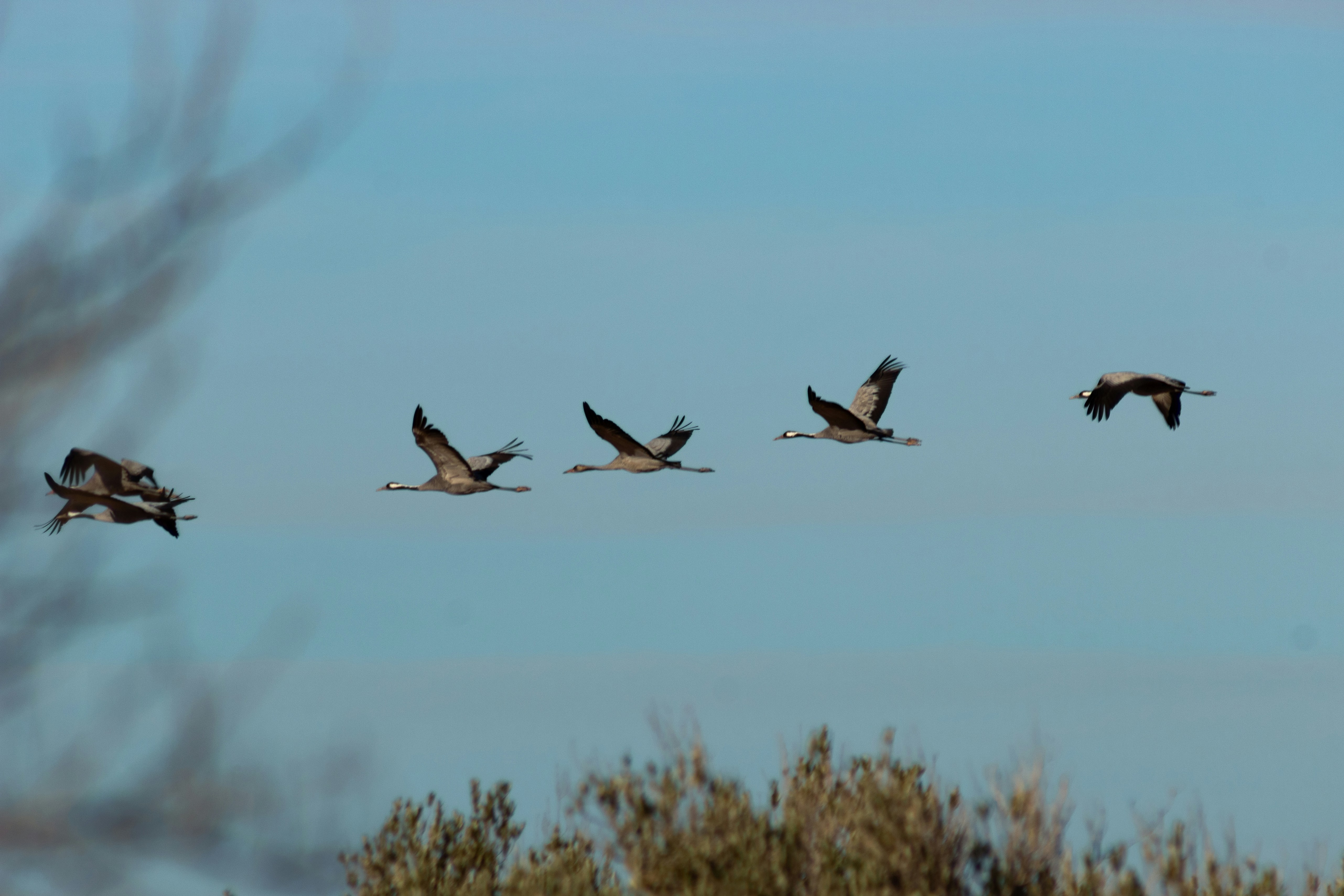
When does spring migration start?
Spring migration varies by species but it is remarkably predictable for most species. The earliest migrants are already on their way back north at time of writing (early March). Waves of migration begin in earnest around April 1 (southern states) and May 1 (northern/central states). That said, depending on conditions this winter down south and/or temperate climes in the US, some migrants (including Ruby-Throated Hummingbirds) will return even sooner (early March).

How to help birds during spring migration
Fresh water is extremely important for migrating birds. Prepare for spring by deep-cleaning your birdbaths using a mix of 1 part white vinegar to 9 parts water. Change water every 2-4 days (more with active use) and consider offering multiple smaller dishes of water throughout your yard. Even using the lid of a large plastic snack/nut container can be a small birdbath/fountain.
Pro-Tip: The sound of dripping/splashing water is extremely appealing to birds. Add a recirculating water pump to make your birdbath their preferred watering hole!
Another easy way to help birds during spring migration is to offer a variety of food types in different feeders (see below). The greatest diversity of birds in the US occurs during spring and fall migration when all of the migrants return, and with that comes a variety of different diet preferences!
Feed
Spring brings the return of some of our favorite brightly-colored migrants such as orioles, buntings, and hummingbirds. Prepare by putting out different types of feeders and feed by April 1 (mid-March for those in southern states).
In addition to your Birdbuddy, I recommend putting out the following feeders:
- Hummingbird feeder (I recommend Birdbuddy’s Hummingbird feeder for hummingbird enthusiasts – the video quality can’t be beat!)
- Suet cage (Birdbuddy also offers a suet attachment!) for larger birds that need more surface area to perch on. Suet and sunflower seeds are year-round fan-favorites; keep them stocked!
- Sock tube full of nyjer seed (for finches, goldfinches, redpolls, and the like)
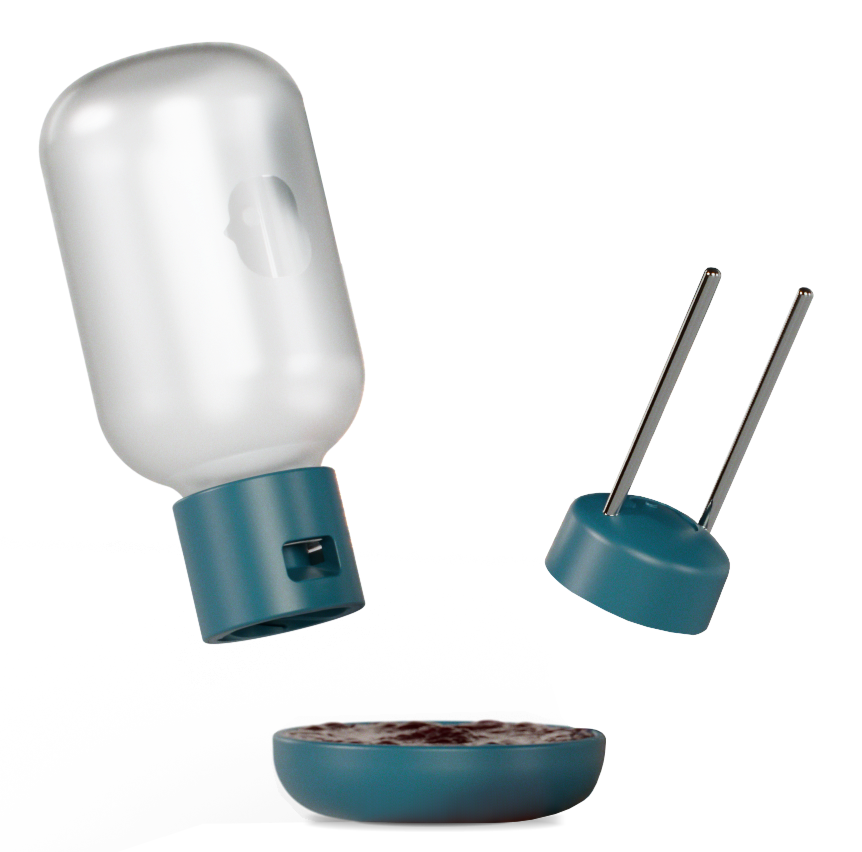
I also recommend increasing the proportion of millet you provide to attract returning mourning doves and Indigo Buntings, among others.
Bonus feeders (for the adventurous enthusiast)
- Fruit/jelly dish for orange halves, grape jelly, or banana quarters to attract Orioles and other fruit-loving migrants [see Birdbuddy’s fruit attachment!]
- Mealworm tray to guarantee visits from Bluebirds. Dried mealworms are sold commercially and live mealworms can often be found at bait/pet shops. I sometimes mix mealworms in with my regular seed as Spring approaches because it’s a high-protein snack for the baby birds that will arrive in the next few weeks. Parents love mealworms.
Where to put your Birdbuddy
For maximum effect, it’s best to cluster several different types of bird feeders (3-4) within 4-10 ft of vegetative cover (shrubbery/trees). This ensures birds feel safe enough to approach the feeders while also making it harder for unwanted visitors such as squirrels to latch on by dropping down from trees.
Unwanted Visitors (AKA Squirrel Control)
I recommend using squirrel baffles if you frequently have unwanted visitors. Moving feeders off of trees can also help.
Pro-tip: Capsaicin (the active ingredient in chili peppers) bothers mammals but not birds (remember, birds are often the primary way plant seeds get spread around!). If squirrels/other mammals are consistently a problem, try sprinkling some chili powder in your bird seed. This will not hurt any visitors but is used as a preventative to make squirrels reconsider visiting at all. Contrary to popular belief, birds actually do have a decent sense of smell, but spicy seeds don’t bother them the way they bother sensitive mammal noses. The success of this approach has mixed results in the field, but can be an effective solution in some cases.
Another approach to distract squirrels away from your feeders is to offer peanuts/dried corn in a far-away location, though this can obviously make the situation worse in some cases.
.png)
Hummingbird Feeder Tips
The earliest hummingbird migrants are already on their way back and will arrive in southern states by mid-March/April 1. May 1 is a good rule-of-thumb to have your hummingbird feeders out & stocked (for most states), but putting them out earlier makes sure you catch early migrants like orioles!
Pay attention to red flowers that blossom in spring, as they’re a good indicator hummingbirds are not far behind. Spring is also a great time to plant flowers that hummingbirds love in preparation for next spring! A highly-decorated yard full of native flowers is the best way to attract hummingbirds year after year.
To prepare for spring migration, disassemble your hummingbird feeder and soak all parts for 10-15 minutes in a solution that’s 1 part white vinegar to 9 parts water. Scrub crevices with a pipe cleaner and allow parts to thoroughly dry before reassembling.
Clean feeders every 3-5 days to prevent mold and fermentation, which can be deadly. Pro-tip: if you live in a warmer climate, consider using glass hummingbird feeders to reduce mold build-up.
Homemade nectar recipes should be 1 part sugar to 4 parts water.
.webp)
How to Clean your Birdbuddy
Cleaning your Birdbuddy regularly is the most effective way to prevent the spread of avian diseases and keep your feathered visitors safe. Accumulated decomposing and/or moldy seeds and hulls can make birds sick, while bird droppings can spread infectious diseases like salmonella and avian influenza.
Always pay attention to announcements from your local government regarding cases of avian disease in your area and clean more frequently.
Frequency: Once every 2 weeks, increasing to every week in warm/wet weather or when disease has been detected in your area.
Cleaning Solutions:
- Hand wash with soap and boiling water
- 1 part bleach to 9 parts water: Research indicates soaking feeders in this dilute bleach solution is extremely effective
- 50/50 mix of white vinegar and water
Always rinse thoroughly and allow to dry completely before refilling; moisture can lead to mold build-up, which is dangerous for birds. Use soft cloths instead of scratchy sponges, which can leave behind dangerous particles. Pipe cleaners can also help get in those hard-to-reach crevices.