Why suet is best suited to cold weather
Suet is a hard animal fat, usually from around a cow’s kidneys. But the suet cake you buy for your feeder isn’t necessarily the same as raw suet from a butcher. That distinction matters: they behave differently as temperatures rise.

Cornell distinguishes raw suet from rendered products for exactly these reasons. If you’ve been using a suitable store-bought cake all summer, warnings about raw suet don’t automatically apply to it. What matters is the formulation and whether it stays firm in your feeder.
The biggest concern with soft, greasy fat is what it can do to feathers. A bird’s plumage works like an insulating, weatherproof coat. Fat that smears onto feathers can interfere with that protection, making it harder to stay warm and dry. Avoid soft vegetable oils, margarine and leftover cooking fats in homemade recipes, as these can smear easily.
Contact isn’t limited to belly feathers. Grease on a bird’s bill or feet can also be spread through its plumage during grooming. Compromised insulation is especially dangerous in winter, when birds already spend precious energy keeping warm. Cold weather makes firm suet easier to offer, but it doesn’t make greasy fat harmless.
Use a purpose-built suet cage that limits contact with the food, and remove any suet that becomes soft, oily or smeary. Even products formulated for summer can soften in direct sun or extreme heat.
There are two other risks to keep in mind. First, raw suet spoils quickly above freezing. Second, during nesting season, fat transferred from an adult’s feathers can coat eggs and block the pores developing chicks need for oxygen.
That’s why winter is such a good time for suet: the cold helps suitable fats stay firm, while birds benefit from an energy-rich food during long, freezing nights. Choose the right type, keep it fresh and watch its condition as temperatures change.
So when should you start?
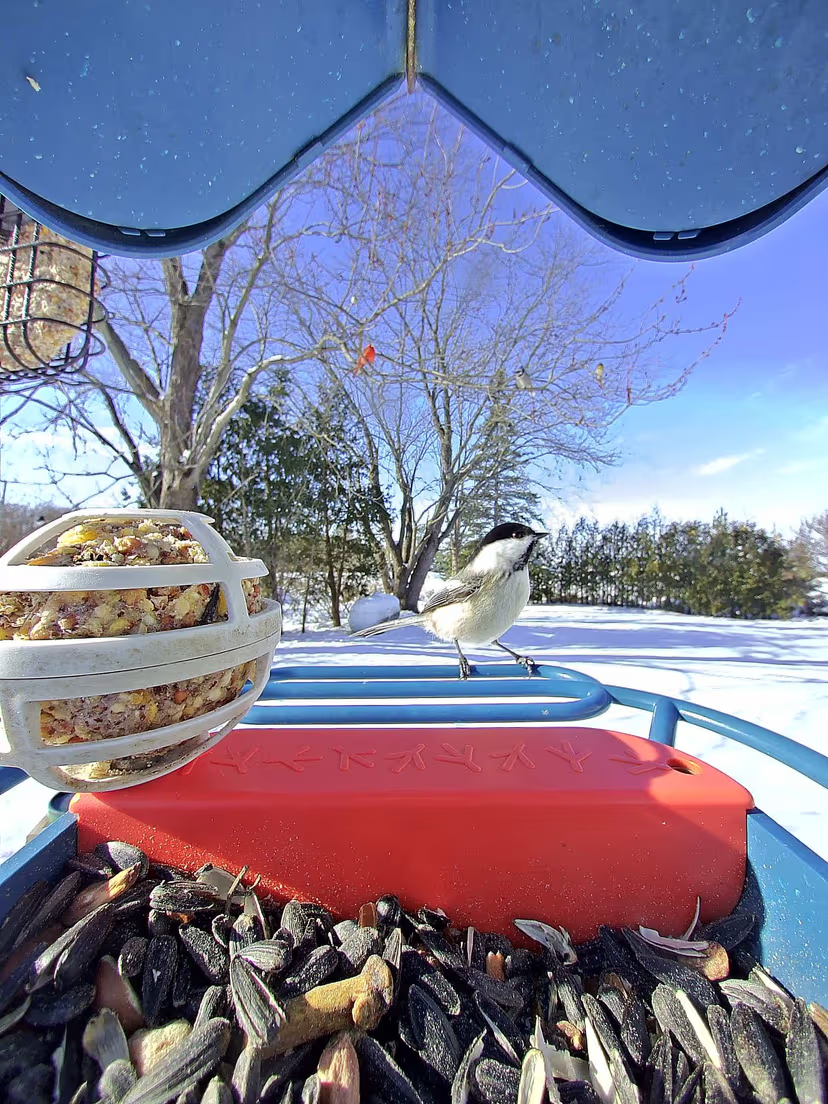
A simple guide is the first frost where you live. Once nights are regularly near freezing and days stay cool, suet stays fresh much longer.
Here's when the first fall frost usually arrives in some US cities, according to Farmers' Almanac:
These are averages: there's roughly a 50% chance of frost by each date, so your local timing depends on the year and your elevation. For much of the Mountain West, Upper Midwest and inland Northeast, suet season starts in October. Along the coasts and in the South, it usually starts in November.
Raw, rendered or no-melt?
Not all suet is the same. Here's how the main types compare:
- Raw suet, meaning the hard fat from around a cow’s kidneys, is the most traditional option and the one that spoils fastest. In freezing winter weather, its hard, crumbly texture makes it less likely to smear onto birds’ feet, bills and feathers than soft, greasy fats. Only offer it when temperatures stay at or below freezing.
- Rendered suet has been melted and strained to remove impurities. It keeps much better than raw fat, though it can still soften on warm days. Most homemade suet cakes use rendered fat.
- Store-bought suet cakes and no-melt suet are the easiest to use. They're made to hold together in warmer weather, and many commercial cakes can handle temperatures up to about 100°F. They're a good pick for the South or for mild spells in fall.
Whichever you choose, only put out what birds will eat in a day or two. Smaller portions mean fresher suet. Cornell also notes that suet mixed with corn or peanuts can grow bacteria, so store homemade cakes in the fridge or freezer until you use them.
Skip the bacon grease. It may seem thrifty, but Cornell advises against it. Bacon fat almost always contains nitrosamines, compounds formed from the preservatives in bacon, which aren't safe for birds over time. It's also very salty. Use plain beef fat or lard instead.
Who you'll attract
Suet is especially popular with birds that climb trees and search bark for insects, since it's a lot like the insect fat they'd find there. Expect:
- Woodpeckers, including Downy, Hairy and Red-bellied Woodpeckers, and sometimes a Northern Flicker or even a Pileated Woodpecker if you're lucky
- Nuthatches, both White-breasted and Red-breasted
- Chickadees and titmice
- Jays
- Wrens, Brown Creepers and kinglets, which visit less often but are always a nice surprise
- Northern Cardinals, which will sometimes try suet in cold weather
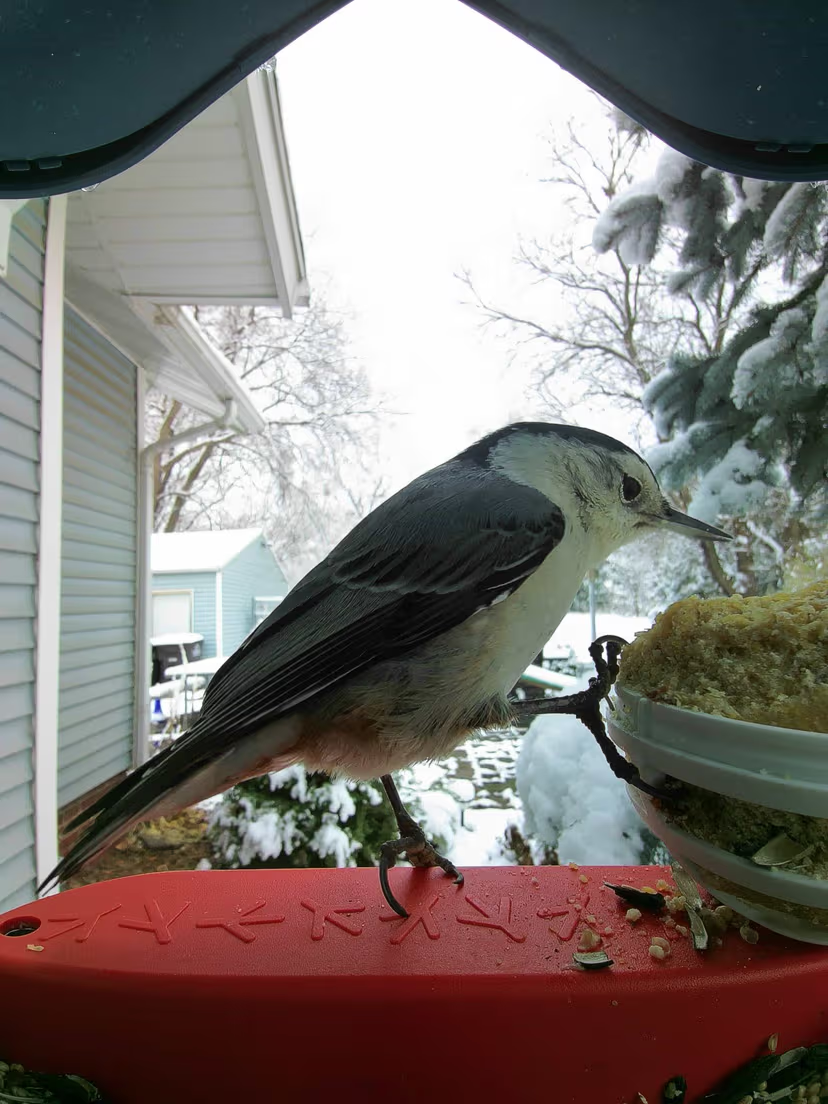
Starlings love suet as well. If they're taking over your feeder, an "upside-down" suet feeder can help. Woodpeckers and nuthatches have no trouble hanging underneath to feed, but starlings struggle.
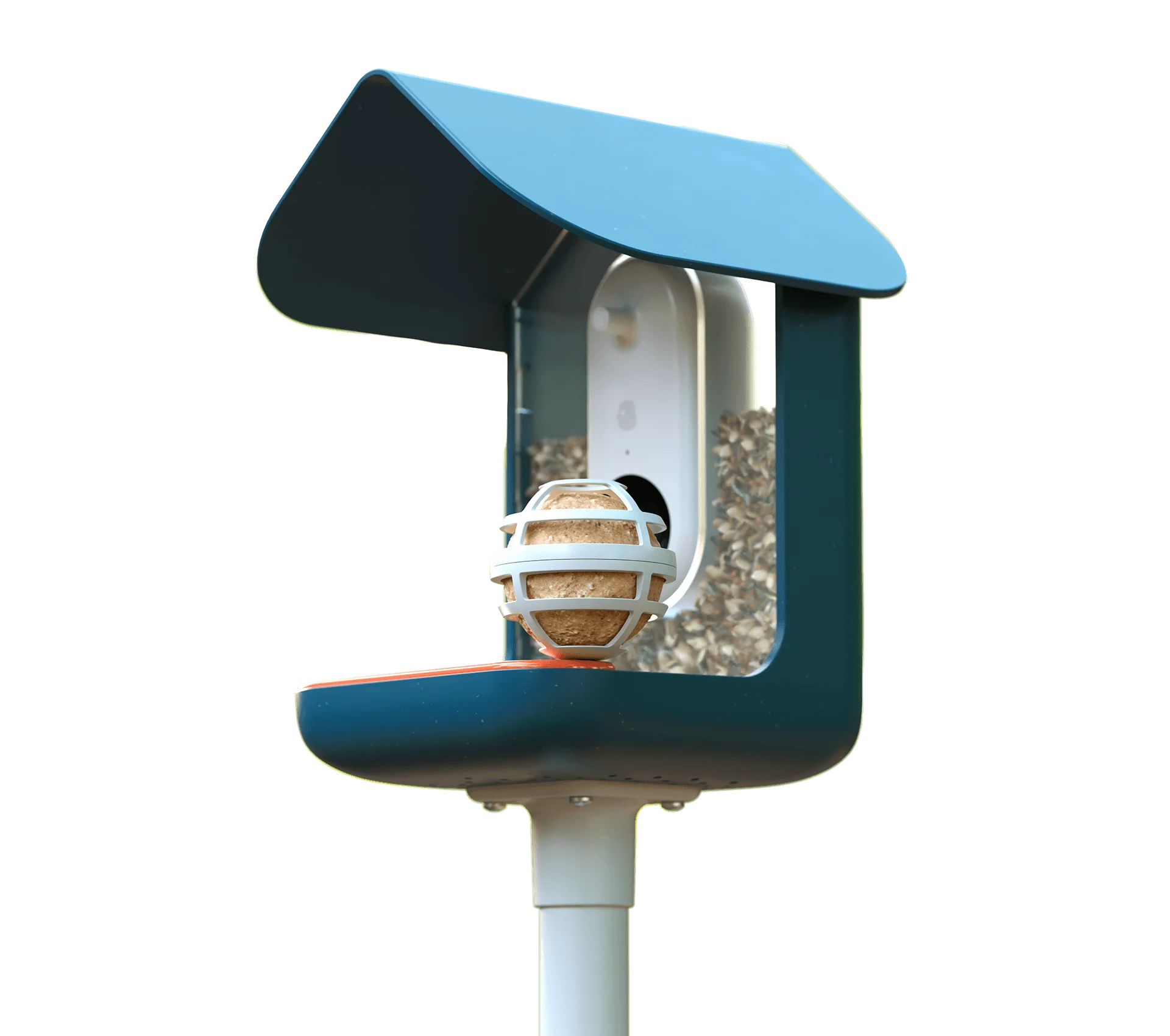
Bring suet to your Birdbuddy
Adding suet is one of the easiest ways to get new visitors to your Birdbuddy this fall. It brings in birds that don't usually come for seed. Woodpeckers are especially fun to watch up close, bracing with their stiff tails and hammering at the cake. Nuthatches often feed upside down.
Add a suet feeder to your Birdbuddy or hang one nearby, and you'll start to see a different group of visitors in your collection. The first woodpecker of the season is always worth the wait.
The takeaway
Suet is a cold-weather all-star, offering birds an energy-rich meal when staying warm takes extra effort. Use raw suet only in freezing weather, and choose rendered or heat-resistant suet when days are milder. You can offer suitable suet in summer, too: keep it in the shade, put out only one or two days’ worth, and remove it if it softens, turns greasy or shows signs of spoilage. Your woodpeckers will notice.