What are the main types of bird beaks?
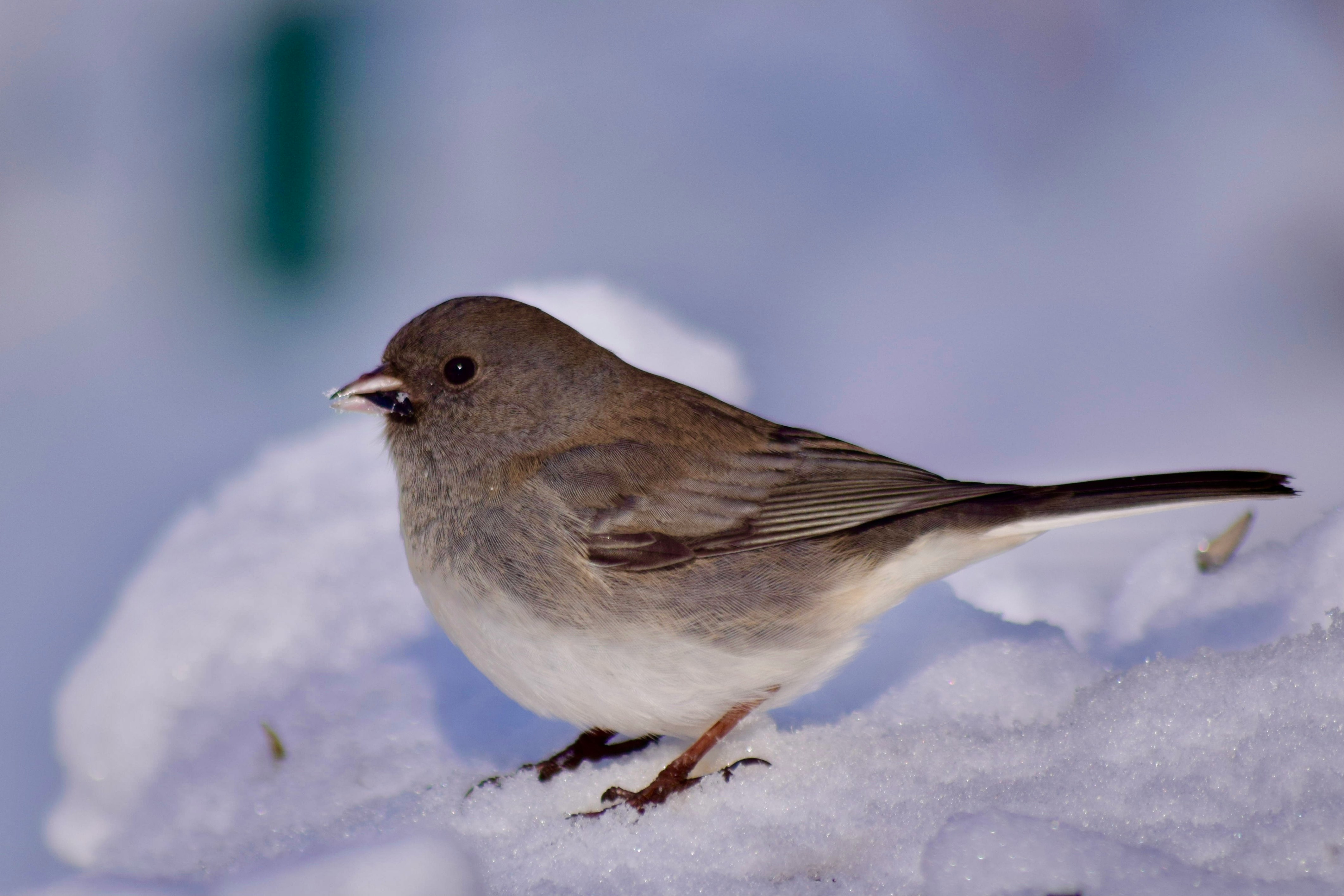
There are nine main beak types, each shaped for a diet: cone-shaped seed crackers, thin insect pickers, wide insect scoops, woodpecker chisels, nectar probes, hooked tearing beaks, fish spears, flat filtering bills and long probing bills. Match the shape to the food, and you can often tell what kind of bird you're looking at.
| Beak type | Shape | Main food | Examples |
|---|---|---|---|
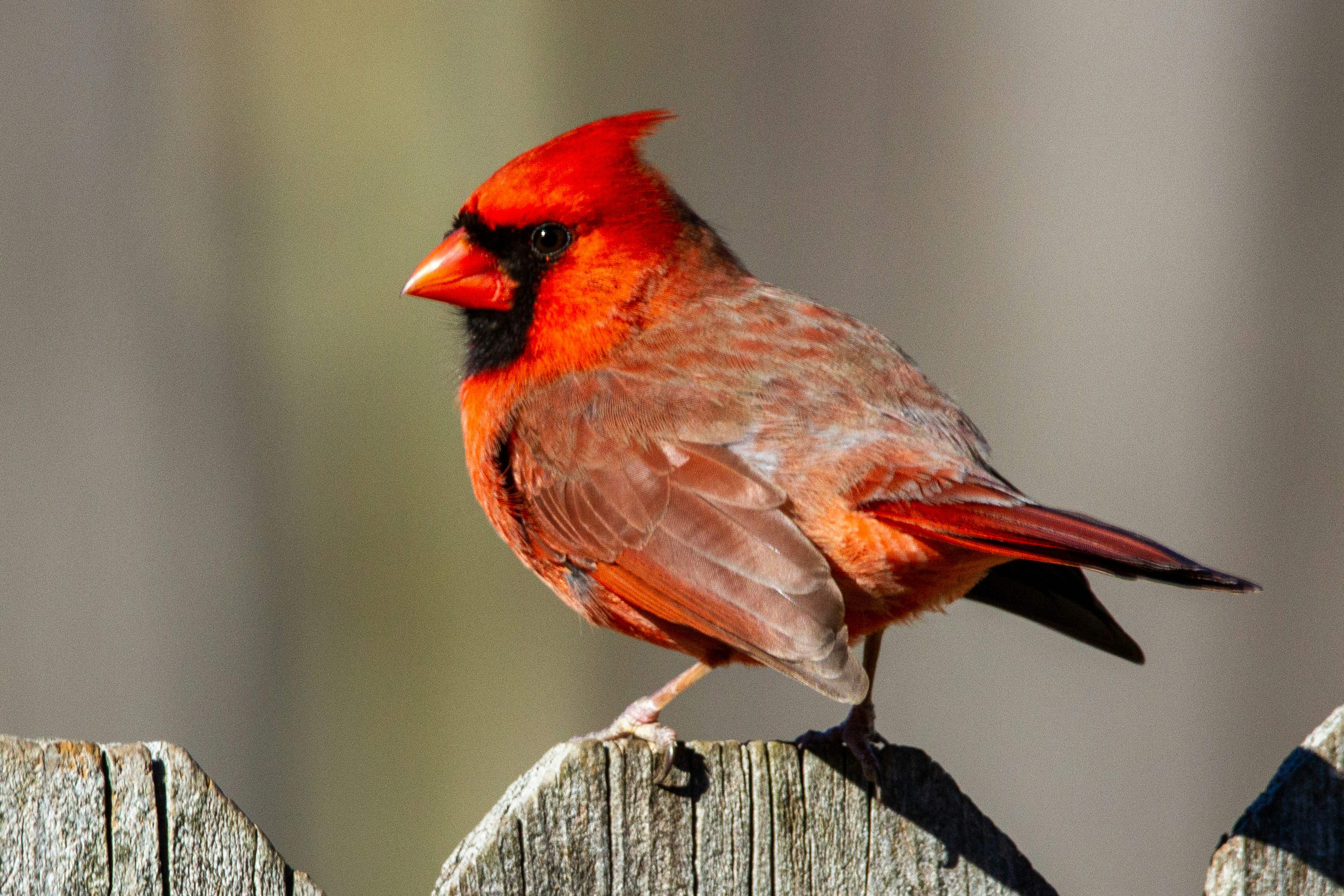
| Seed cracker | Short, thick, cone-shaped | Seeds | Northern cardinal, house finch, sparrows, grosbeaks |
| Insect picker | Thin and pointed | Insects, spiders | Warblers, wrens, vireos |
| Insect scoop | Short and flat with a wide gape | Flying insects | Swallows, swifts, nighthawks |
| Chisel | Straight, strong and pointed | Insects in wood, sap | Woodpeckers, sapsuckers |
| Nectar probe | Long, thin, tube-like | Nectar | Hummingbirds |
| Hook | Sharp, curved tip | Meat | Hawks, eagles, falcons, owls |
| Fish spear, saw or net | Dagger-like, serrated or pouched | Fish | Kingfishers, herons, mergansers, pelicans |
| Filter | Broad and flat | Plants and tiny animals in water | Mallards, shovelers |
| Probe | Long and thin | Worms and invertebrates in mud | Sandpipers, godwits, woodcocks |
Generalists like American robins, jays and crows have medium, all-purpose beaks that handle seeds, fruit and insects, which is one reason they thrive almost everywhere.

Is it a beak or a bill?
Both words are correct and mean the same thing. Some people use "bill" for long, slender ones like a wader's and "beak" for short, hooked ones like a hawk's, but there's no universal rule. We use both. Besides, "beak" wouldn't work in our favourite dad joke.
"What did the duck say to the cashier when it bought lip balm? Put it on my bill!"
What is a bird's beak made of?
A beak is a bony upper and lower jaw covered with keratin, the same tough protein in our hair and nails. The keratin layer grows constantly and wears down with use, which keeps the beak sharp and the right length. Birds have no teeth, so the beak does the work of lips, teeth and hands.
Almost all chicks hatch using an egg tooth, a small hard tip on the beak that chips through the shell and drops off or wears away within days of hatching.
A beak has nostrils (nares), upper and lower jaws, and a gape, the open mouth. In chicks, the bright red, orange or yellow gape is a signal to parents: feed me. The colourful corners, called gape flanges, fade as birds grow up, which makes them a handy way to tell a juvenile from an adult.

One cuckoo takes this to extremes. Hodgson's hawk-cuckoo chicks have bright yellow patches of skin under their wings that look like extra gaping mouths, tricking their foster parents into bringing more food.
Why do birds have different beaks?
Because they eat different food. Over millions of years, each species' beak adapted to the food in its habitat: strong cones for cracking seeds, fine tweezers for insects, hooks for tearing meat. Beak shape is so closely tied to diet that it's one of the best clues for identifying a bird.
Seed eaters
Finches, sparrows and cardinals have short, strong, cone-shaped beaks for cracking hard seed shells. Pigeons swallow small stones (grit) that help grind seeds in their gizzard, which is why they peck at the road.
Insect eaters
Warblers and wrens have thin, pointed beaks to pick insects off leaves and bark. Swallows and swifts, which feed in flight, have short beaks that open wide to scoop insects from the air. Woodpeckers use straight, chisel-like beaks to drill into wood, and northern flickers probe the ground for ants.

Nectar eaters
Hummingbirds have long, thin, straw-like beaks that reach deep into tube-shaped flowers, where their tongues lap up the nectar.

Birds of prey
Raptors have the most recognisable beaks of all: a downward-curving upper jaw ending in a sharp hook. Falcons also have a notch, the "tomial tooth", that helps them dispatch prey. Together with strong talons, these beaks make raptors highly effective hunters.
"Birds of prey are one of the most obvious examples of beak adaptation to food that can be observed in the natural world."

Fish eaters
A kingfisher waits motionless on a branch, then streaks into the water and spears its catch with a dagger-like bill. Mergansers, known as sawbills, have serrated edges that grip slippery fish. Pelicans scoop up water and fish in the pouch under their bill, drain the water and swallow the catch in one go.
Waterfowl and waders
Dabbling ducks like mallards have broad, flat bills that strain plants and tiny animals from the water. Waders like sandpipers and godwits have long, thin bills for probing deep into mud for worms and shellfish.

Specialists: the crossbill
Crossbills feed on seeds hidden inside conifer cones, food few other birds can reach. The tips of their bills cross over. A crossbill slips its bill between the cone scales, twists its lower jaw to prise them apart, and lifts out the seed with its tongue. It's a beak that works like a tool.

Parrots have their own trick: a hinged upper jaw that gives them enormous crushing power for nuts and fruit stones, and that doubles as a third foot for climbing.
What else do birds use their beaks for?
Nest building, preening, communicating, staying cool and attracting a mate. The beak is a bird's main tool for almost everything, from weaving grass into a nest to cleaning each of its feathers.
Building nests
Birds use their beaks to weave grass, twigs, mud, moss, hair, string and even human litter into nests. Sociable weavers build huge shared nests in trees, and male bowerbirds decorate elaborate display structures on the ground with brightly coloured objects like feathers, shells and flower petals.

Preening
Songbirds have between about 1,500 and 3,000 feathers, and swans around 25,000. Using their beaks, birds keep every feather aligned so it works in flight and keeps out cold and rain. Many spread oil from a gland at the base of the tail to waterproof their plumage, and preening removes parasites too.
"Poorly preened feathers are an excellent indication of something being wrong."

A bird that stops preening is usually unwell, and its feathers soon look ragged or patchy. That makes scruffy plumage a useful warning sign. (Late summer and fall moult can make healthy birds look scruffy too.)
Bruce the kea
Keas, New Zealand's alpine parrots, are famously clever. Bruce was found as a young bird in 2013 missing the top half of his beak, probably after an injury, and now lives at a wildlife reserve in Christchurch. He can't preen normally, so he picks up a pebble with his tongue and lower beak and uses it to comb his feathers.

No other kea taught him. Researchers believe it's one of the first known cases of a bird using a tool to care for itself.
Communicating, cooling and courting
Storks clatter their bills together to greet each other at the nest. A toucan's huge bill works like a radiator, releasing body heat when the bird is warm. And puffins' bright bills are at their most colourful in the breeding season, because a brighter bill helps attract a mate.
Are bird beaks still changing?
Yes. Studies show beaks can change within a few generations when food changes. Great tits in Britain have evolved longer beaks than those in the Netherlands over recent decades, possibly because of garden bird feeders. And on the Galápagos, Darwin's finches changed beak size within a generation after a drought.

In the great tit study, published in 2017, researchers compared British and Dutch birds and found genetic differences linked to beak length. British beaks had grown longer over 26 years of museum records, during a period when British households spent about twice as much on bird food as people in mainland Europe. The researchers think longer beaks may help birds feed from feeders, though they didn't claim that as proof.

Darwin's finches, about 15 species on the Galápagos Islands, are the classic example of beak evolution. During a severe drought in 2004, larger ground finches out-competed medium ground finches for the biggest seeds. Medium ground finches with smaller beaks survived better, and the next generation's beaks were smaller: natural selection, seen in real time. Studies have since found beak differences between finches living in towns and in the countryside, too.
How can beak shape help you identify birds and choose feeder food?
Look at the beak first. A thick cone means a seed eater like a cardinal or finch; offer sunflower or safflower. A thin, pointed beak means an insect eater; try suet or mealworms. A chisel means a woodpecker, which loves suet and peanuts. A long, thin beak at a flower means a hummingbird.
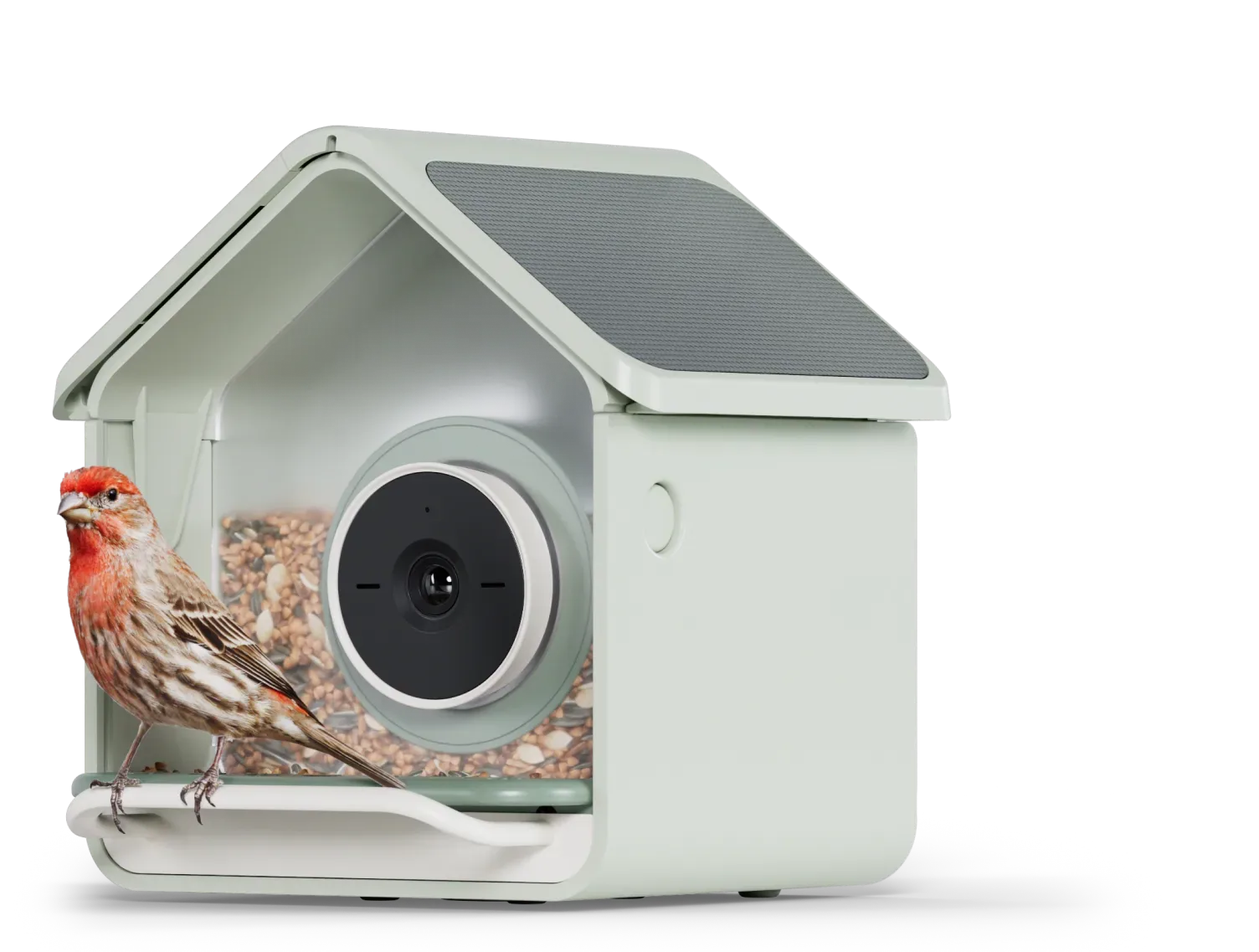
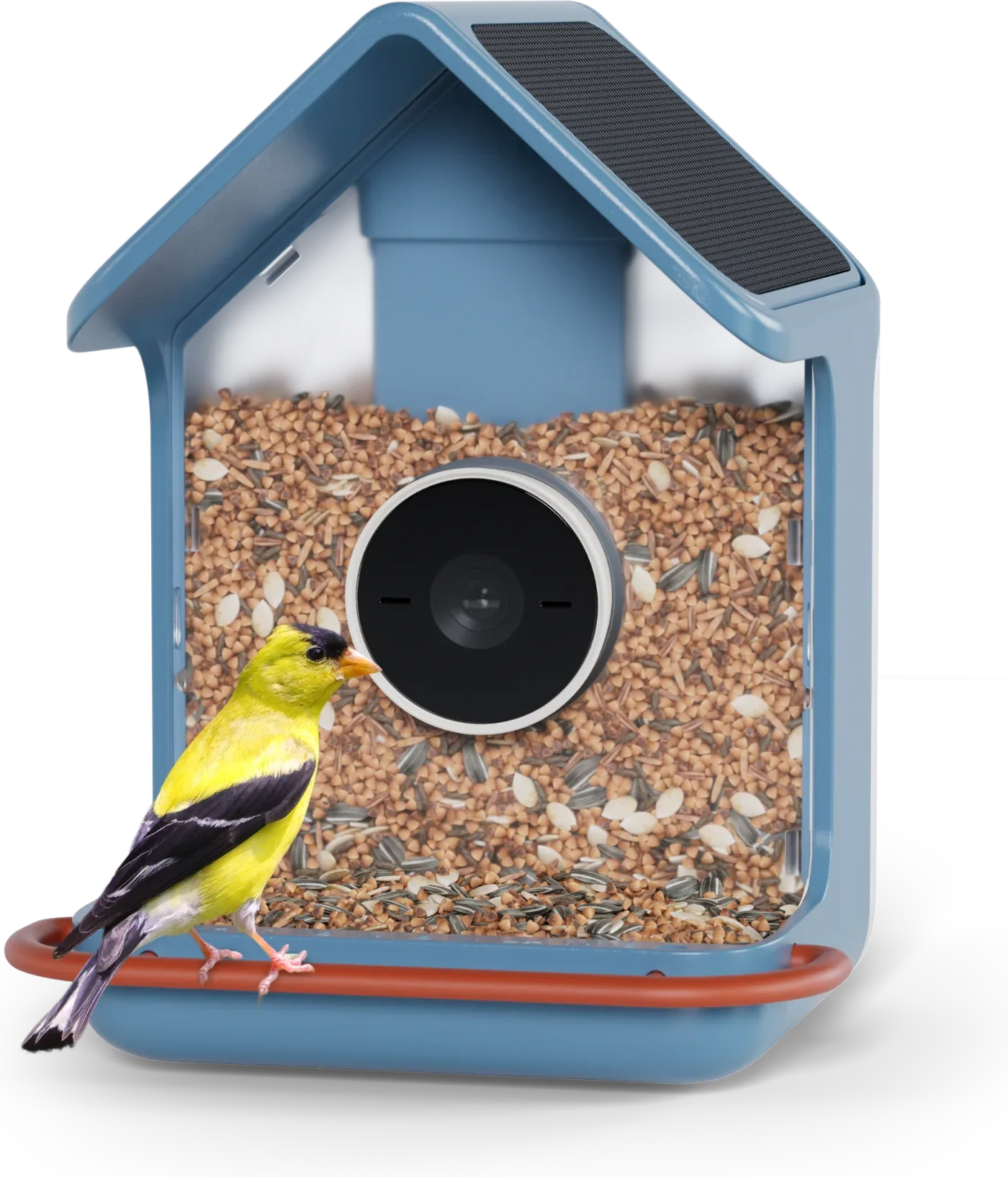
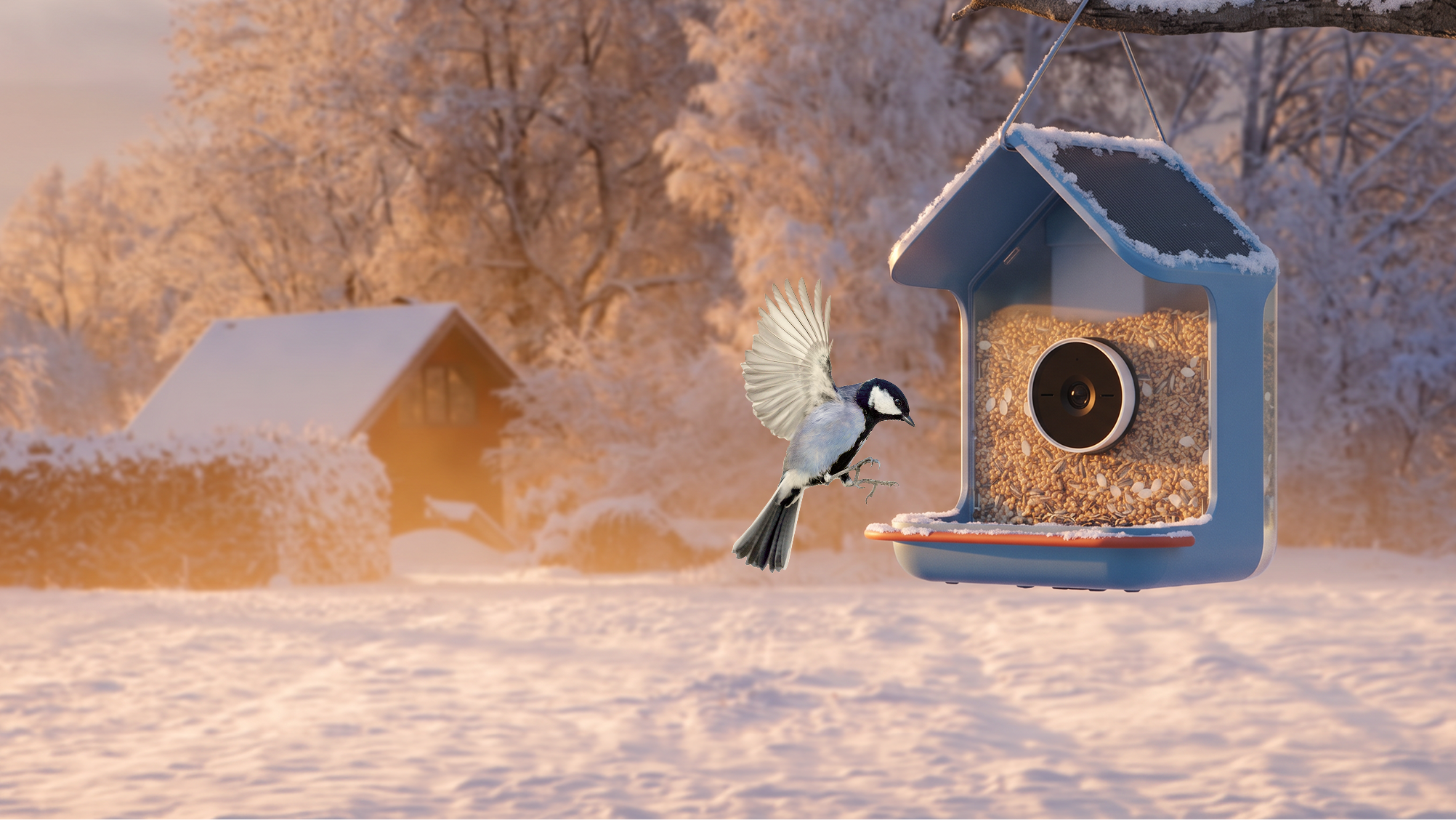
Next time you see a bird, watch what it does with its beak. Probing the mud of an estuary? Probably a wader. Creeping up a tree trunk with a thin curved bill? A brown creeper. Pine cones on the ground with their scales prised apart? A crossbill may be nearby. A camera feeder like Birdbuddy lets you zoom in on every visitor's beak and learn who's who.
FAQ
What are the different types of bird beaks?
The main types are seed-cracking cones, thin insect-picking beaks, wide insect scoops, woodpecker chisels, nectar probes, raptor hooks, fish spears, flat filtering bills and long probing bills.
Why do birds have different shaped beaks?
Each beak evolved to suit the bird's food: strong cones crack seeds, hooks tear meat, long thin bills reach nectar or probe mud.
What are bird beaks made of?
Bone covered by keratin, the same protein as human hair and nails. The keratin grows constantly and wears down with use.
Is a beak the same as a bill?
Yes. Both words are correct and mean the same thing; there's no strict rule about which to use.
What does a cardinal's beak tell you?
Its short, thick, cone-shaped beak is built for cracking seeds, so cardinals come to feeders for sunflower and safflower seed.