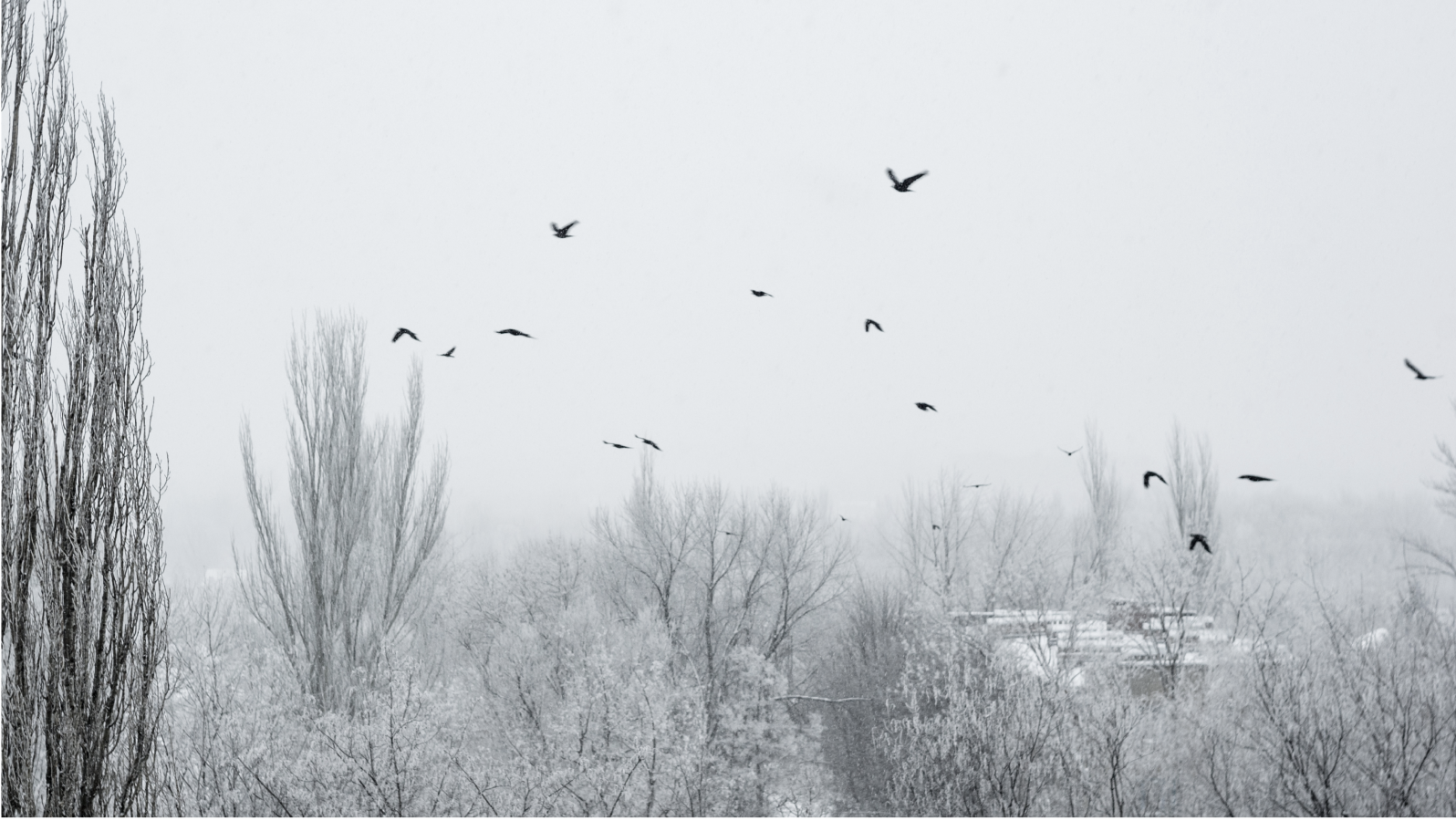
Where do birds go in a snowstorm? Most small birds shelter in dense evergreens, thick shrubs, tree cavities, brush piles and the sheltered side of buildings, and sit tight until the snow stops. Many sense the storm coming and feed heavily beforehand. Ruffed Grouse go further and burrow into the snow itself to sleep.
Key takeaways
- Birds can sense falling air pressure, and some may hear distant storms long before they arrive.
- Expect a feeding rush in the hours before a storm, and another right after.
- During the storm, birds hide out of the wind in evergreens, shrubs, cavities and brush piles.
- Deep snow and ice are hardest on ground feeders; a cleared patch with seed helps.
Before the storm: birds know it's coming
Birds pick up on falling barometric pressure, shifting winds and dropping temperatures, the same signals a weather front brings. Some may detect storms much earlier. In 2014, researchers tracking Golden-winged Warblers in Tennessee found the birds left their breeding grounds more than 24 hours before a storm that went on to produce 84 tornadoes, while it was still hundreds of miles away, according to a Current Biology study reported by ScienceDaily. The team thinks the warblers heard infrasound, low-frequency sound humans can't hear, from the distant storm.
Backyard birds don't flee a snowstorm like that, but they do prepare. The hours before snow are often the busiest of the week at the feeder, as birds pack in the fat they'll need to sit out the storm. Our post on how birds stay warm in winter explains how they store and burn that fat.
During the storm: out of the wind
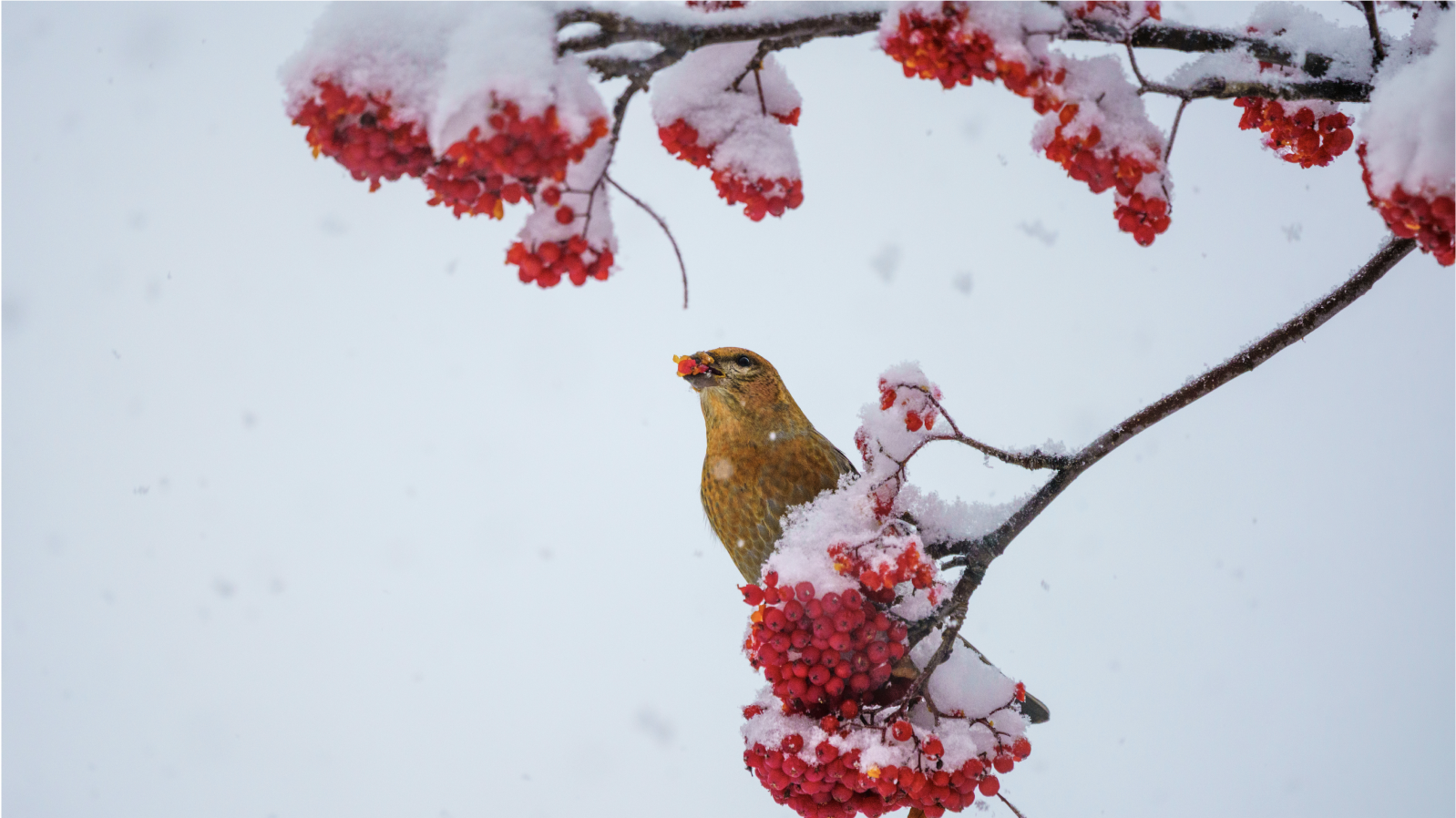
Once the snow starts, most small birds stop moving. Flying in heavy snow and wind costs energy they can't spare, so they find a sheltered perch and wait.
- Dense evergreens. Spruce, pine, cedar and holly block wind and hold snow on their outer branches, leaving a calmer pocket inside.
- Thick shrubs and brush piles. Sparrows, juncos and wrens tuck in low, close to the ground.
- Tree cavities and crevices. Chickadees, nuthatches and woodpeckers squeeze into holes, often the same ones they use every night.
- Buildings. Eaves, porches, sheds and the downwind side of a house all cut the wind.
A few birds use the snow itself. Ruffed Grouse dive into soft snow and sleep inside it, where the snow shields them from the wind and the colder air above.
After the storm: the second rush
When the snow stops, birds come out hungry. Deep snow covers the seeds and insects they'd normally find, which is hardest on ground feeders like Dark-eyed Juncos, sparrows and doves. Ice storms are worse still: ice can seal off food and soak feathers, which then stop insulating.
How to help birds through a snowstorm
- Fill feeders the evening before. That's when birds are stocking up. Black-oil sunflower and suet give the most energy; see our winter feeding guide.
- Clear a patch after the storm. Shovel a small area near cover and scatter white millet or cracked corn for juncos, sparrows and doves.
- Brush snow off the feeder. Snow on the ports and perches keeps birds from feeding, and wet seed spoils.
- Leave natural shelter. Evergreens, shrubs and brush piles are storm shelters; don't clear them before winter.
- Keep squirrels out. Squirrels raid feeders hard after storms. A baffle keeps the seed for the birds.
Watch the storm from the feeder's view
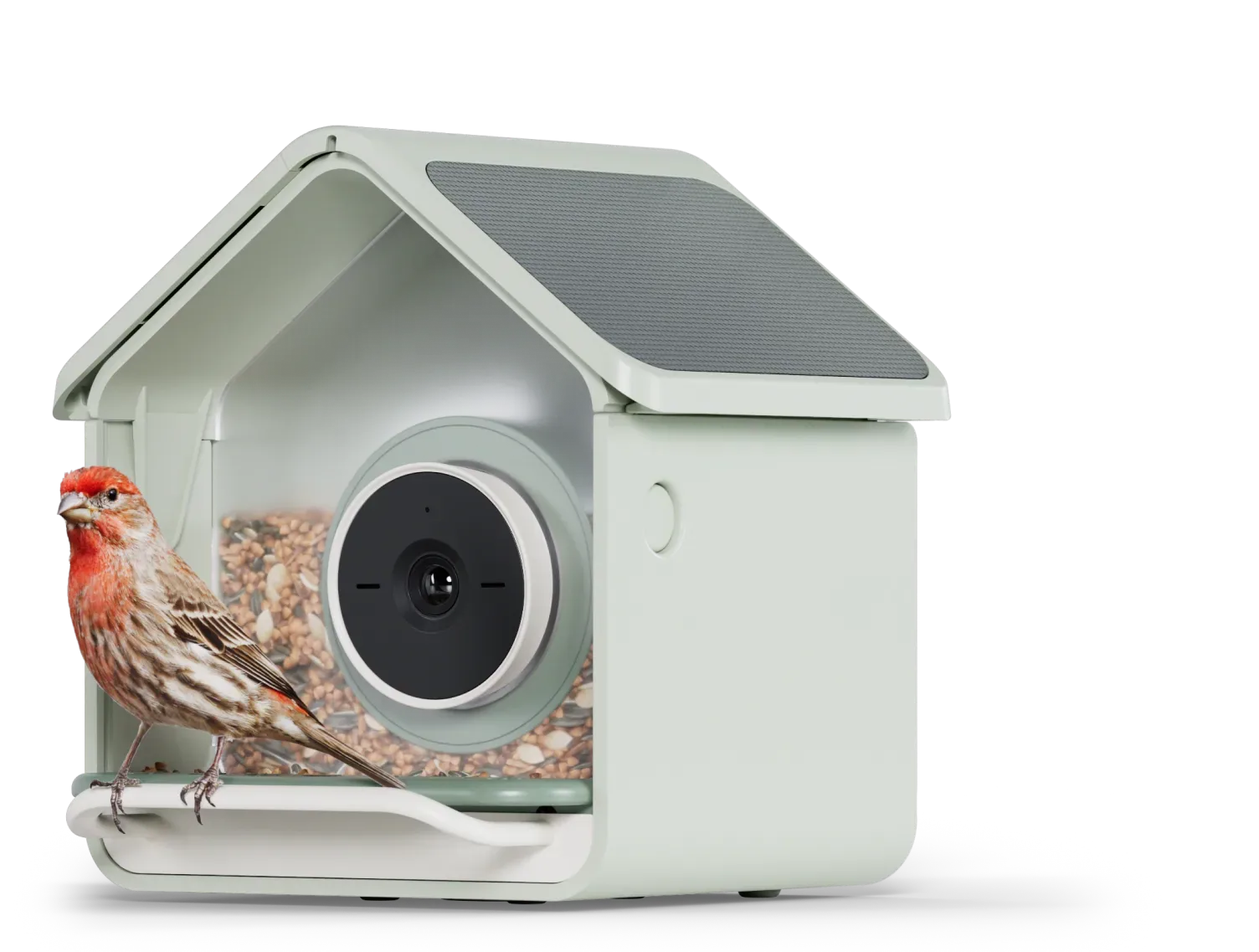
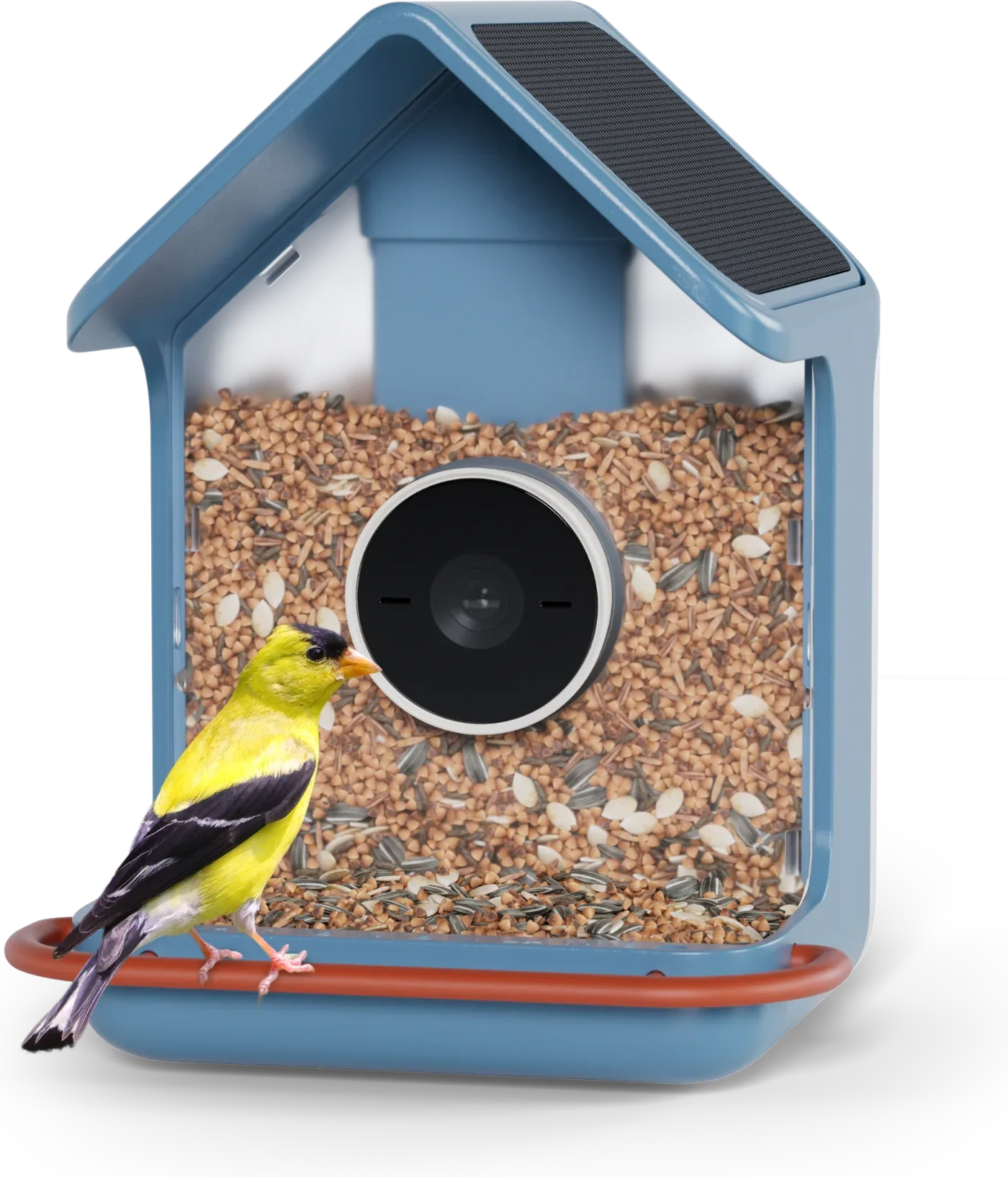
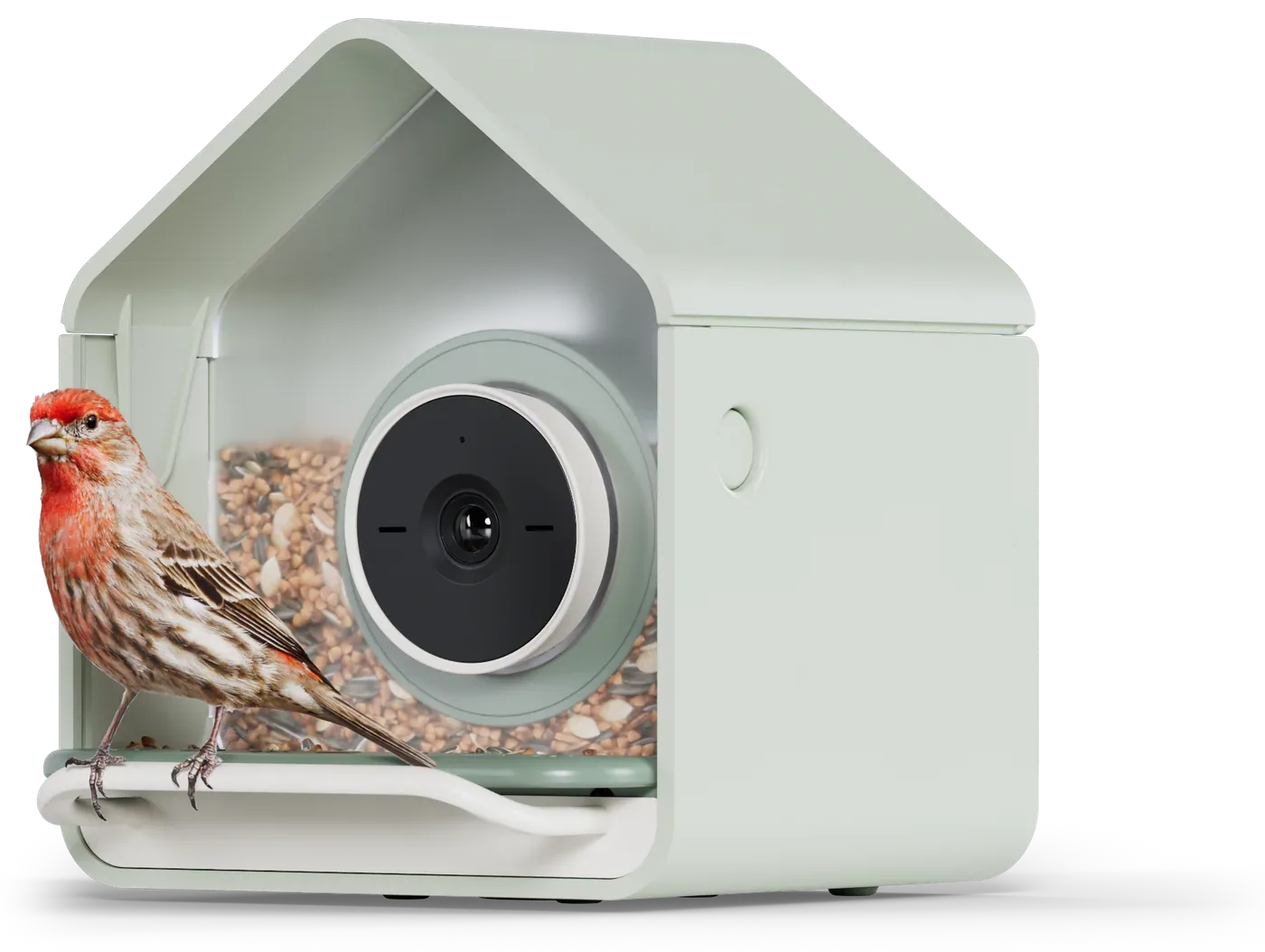
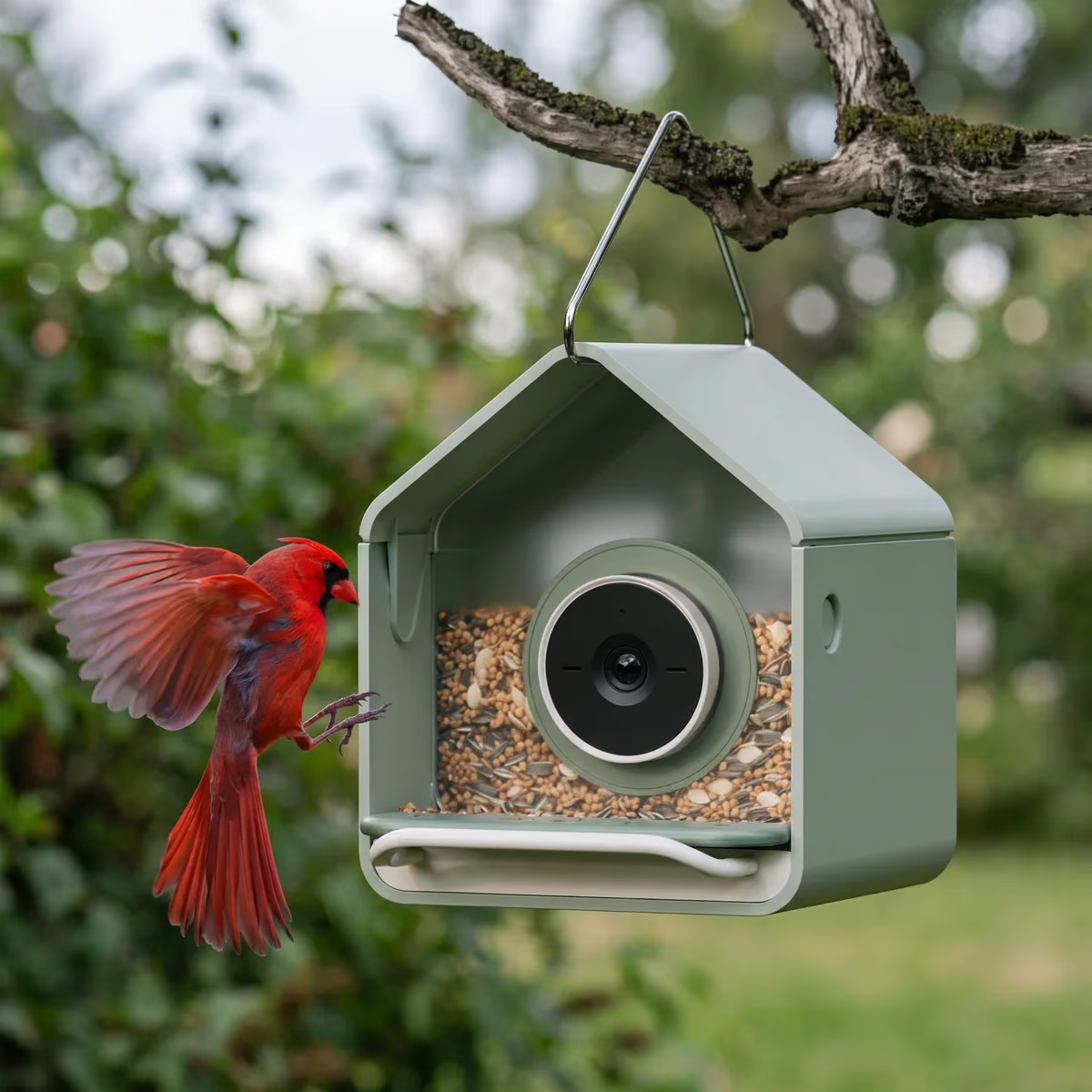
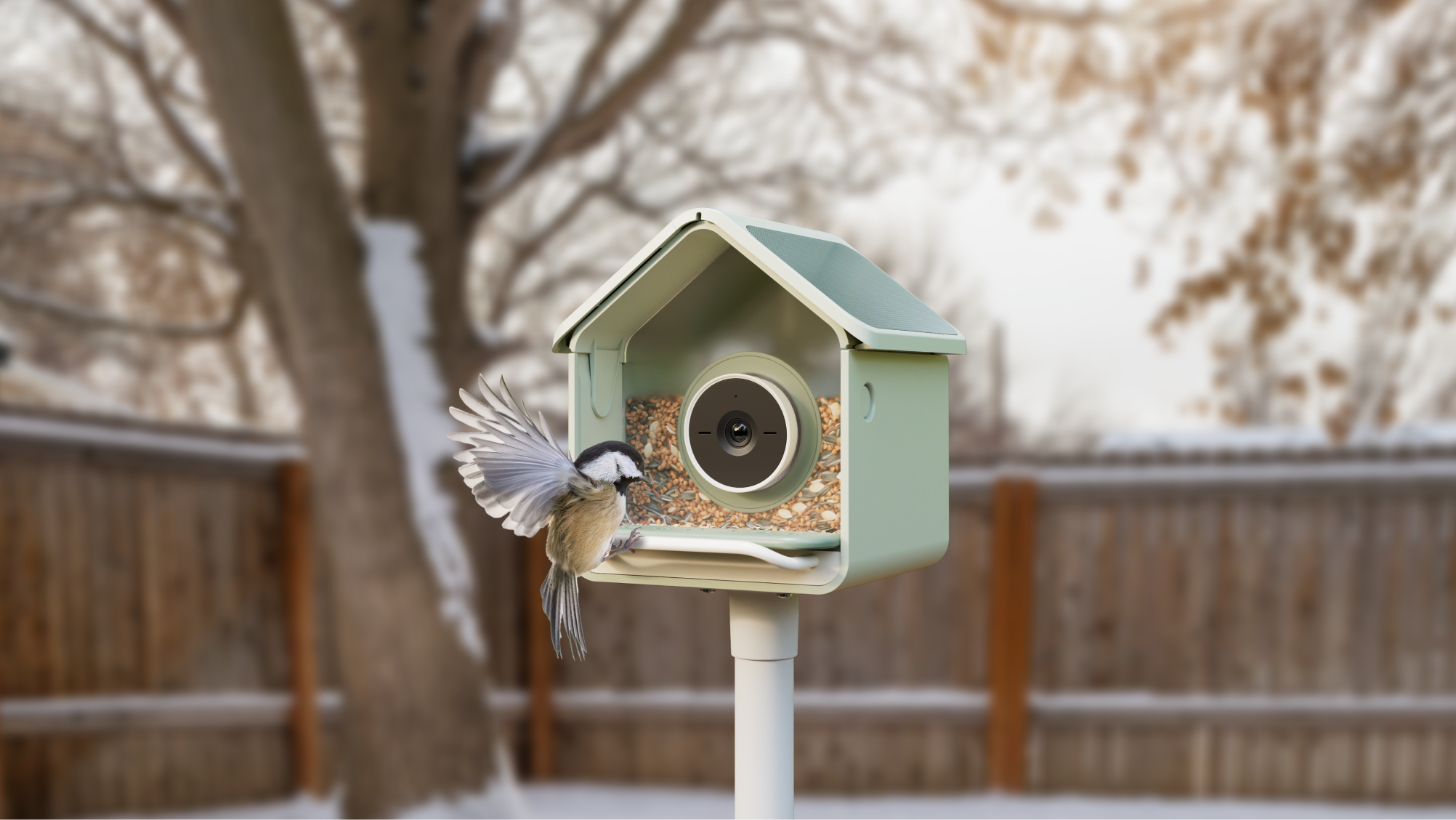
A Birdbuddy smart feeder photographs every visit, so you can see the pre-storm rush build hour by hour, which species brave the falling snow and who arrives first once it stops. Solar models keep charging on the bright days between storms. Caught a snow-covered visitor? Share it with the Birdbuddy community.
The takeaway
In a snowstorm, birds sit tight in evergreens, shrubs, cavities, brush piles and sheltered corners of buildings, and Ruffed Grouse even sleep inside the snow. Many sense the storm coming and feed hard beforehand, then come out hungry when it ends. Fill your feeders the evening before, clear a patch of ground afterward and leave natural shelter standing.
Frequently asked questions
Do birds die in snowstorms?
Most backyard birds survive snowstorms. The real danger comes from ice storms, which soak feathers and lock away food, and from long stretches of bitter cold when birds can't refuel. A reliable feeder helps most at those times.
Can birds fly in heavy snow?
They can, but most avoid it. Flying in wind and heavy snow burns energy fast, so birds usually wait in shelter and move once the snow eases.
Where do birds go when it rains in winter?
The same places: dense evergreens, shrubs and cavities. Cold rain is often harder on birds than dry snow, because wet feathers lose their insulation.