Are bird feeding myths true? Most aren't. Feeders don't make wild birds dependent, they don't stop migration, and rice and peanut butter are safe. The few real risks, like disease at dirty feeders and empty calories from bread, are easy to avoid with clean feeders and the right food.
Key takeaways
- In a long-running Wisconsin study, chickadees got only about 21% of their daily energy from feeders, so feeders supplement wild food rather than replace it.
- Migration is triggered mainly by day length, not by whether food is available.
- Rice and peanut butter are safe; bread and salty food are the real problems.
- The biggest risk at feeders is disease, which regular cleaning keeps in check.
The nine myths
Myth 1: Feeding birds makes them dependent on you
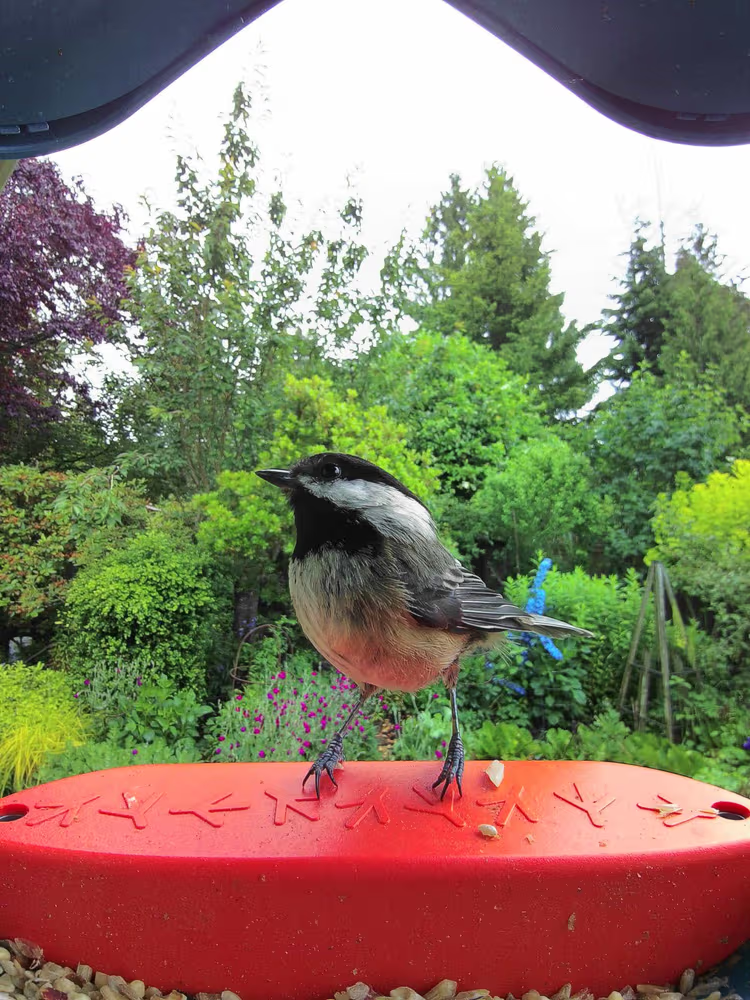
This is the myth people worry about most, and the research is reassuring. In a Wisconsin study summarized by Virginia Tech Extension, Black-capped Chickadees with feeders got only about 21% of their daily energy from them. When access was removed, they survived as well as birds that had never used a feeder. Feeders matter most during severe cold, which is why it's worth keeping them full through a cold snap.
Myth 2: Leaving feeders up in fall stops birds from migrating
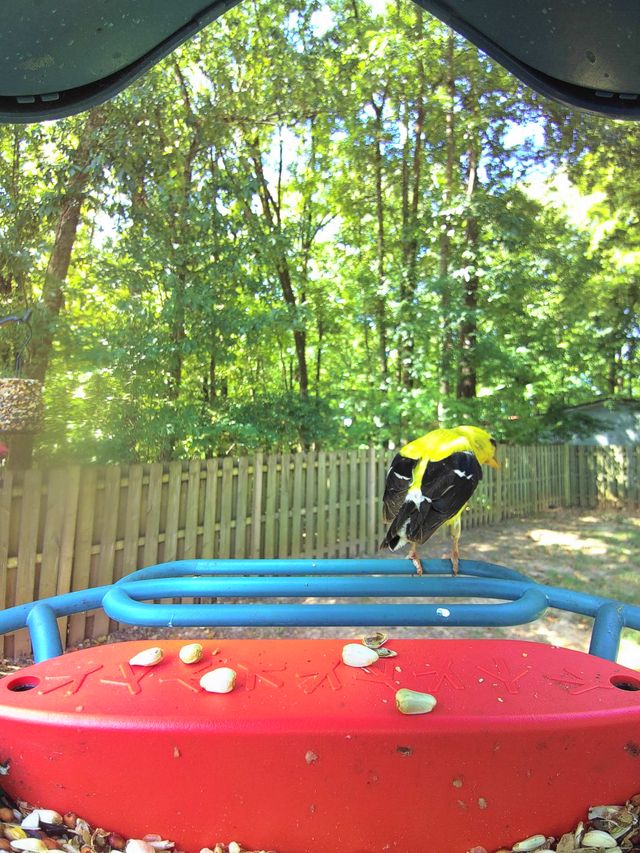
Migration is driven mainly by day length. As the days shorten, hormonal changes push migratory birds south whether or not a feeder is full. The Cornell Lab's Project FeederWatch says a feeder won't make a bird ignore that urge. A full feeder in fall actually helps late migrants and stragglers refuel on the way.
Myth 3: Rice makes birds explode
This wedding-day legend has no basis. Many birds eat rice in fields; the Bobolink was once nicknamed the "rice bird" for it. Rice doesn't swell enough in a bird's stomach to cause harm. It just isn't the most useful food: black-oil sunflower gives far more fat.
Myth 4: Peanut butter will choke birds
There's no documented case of a bird choking on peanut butter. Emma Greig, who leads Project FeederWatch at the Cornell Lab, recommends it as a winter fat source, mixed with suet or spread on a pine cone. If you want to be cautious, mix it with cornmeal to make it crumbly. Choose unsalted, with no added sugar or sweeteners.
Myth 5: Birds' feet will freeze to metal perches
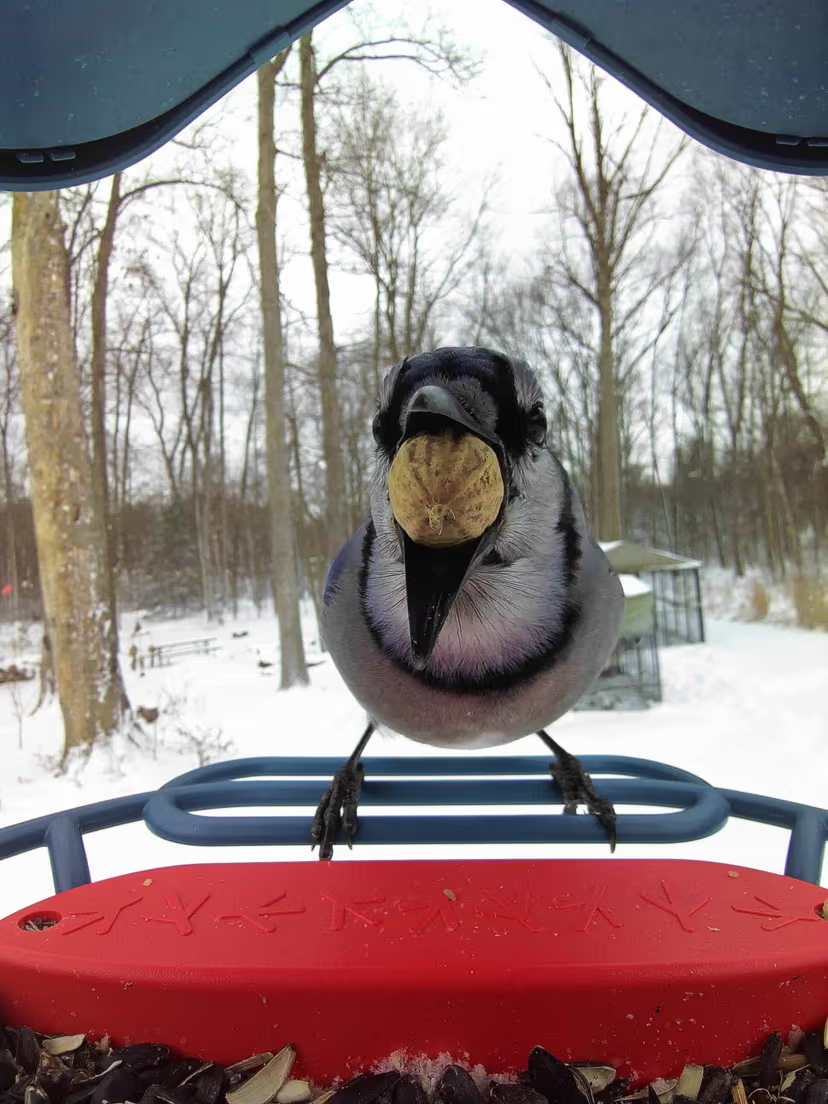
Sticking needs moisture, and bird feet are dry, scaly and cold by design. Their legs use a countercurrent heat exchange that keeps the feet just above freezing, as the Cornell Lab of Ornithology explains, so there's little warm, wet skin to stick. Metal perches are fine.
Myth 6: Bread is a good treat
Bread fills a bird up without giving it the fat and protein it needs, especially on a cold night, and moldy bread can make birds sick. It's one of the most common things people put out, and one of the least useful. Our winter feeding guide covers what to offer instead.
Myth 7: Any seed mix is as good as another
Cheap mixes are often padded with milo, wheat and oats that few feeder birds want, so most of the bag ends up on the ground. Read the ingredients: black-oil sunflower should come first. The Cornell Lab's winter feeding guide suggests mixing your own from sunflower and white millet if you want variety.
Myth 8: You should only feed birds in winter
Winter is when feeders help most, but feeding year-round is fine. In spring and summer, parents bring fledglings to feeders and you'll see species that only pass through. Keep feeders clean, and switch to smaller amounts in hot weather so seed doesn't spoil.
Myth 9: Feeders spread disease, so it's better not to feed
The risk is real but manageable. Feeders bring many birds to one spot, which can spread illnesses like salmonellosis. The Cornell Lab's All About Birds recommends cleaning feeders about every two weeks, more often in wet weather or when sick birds are around. A clean feeder with fresh seed does far more good than harm.
Test it at your own feeder
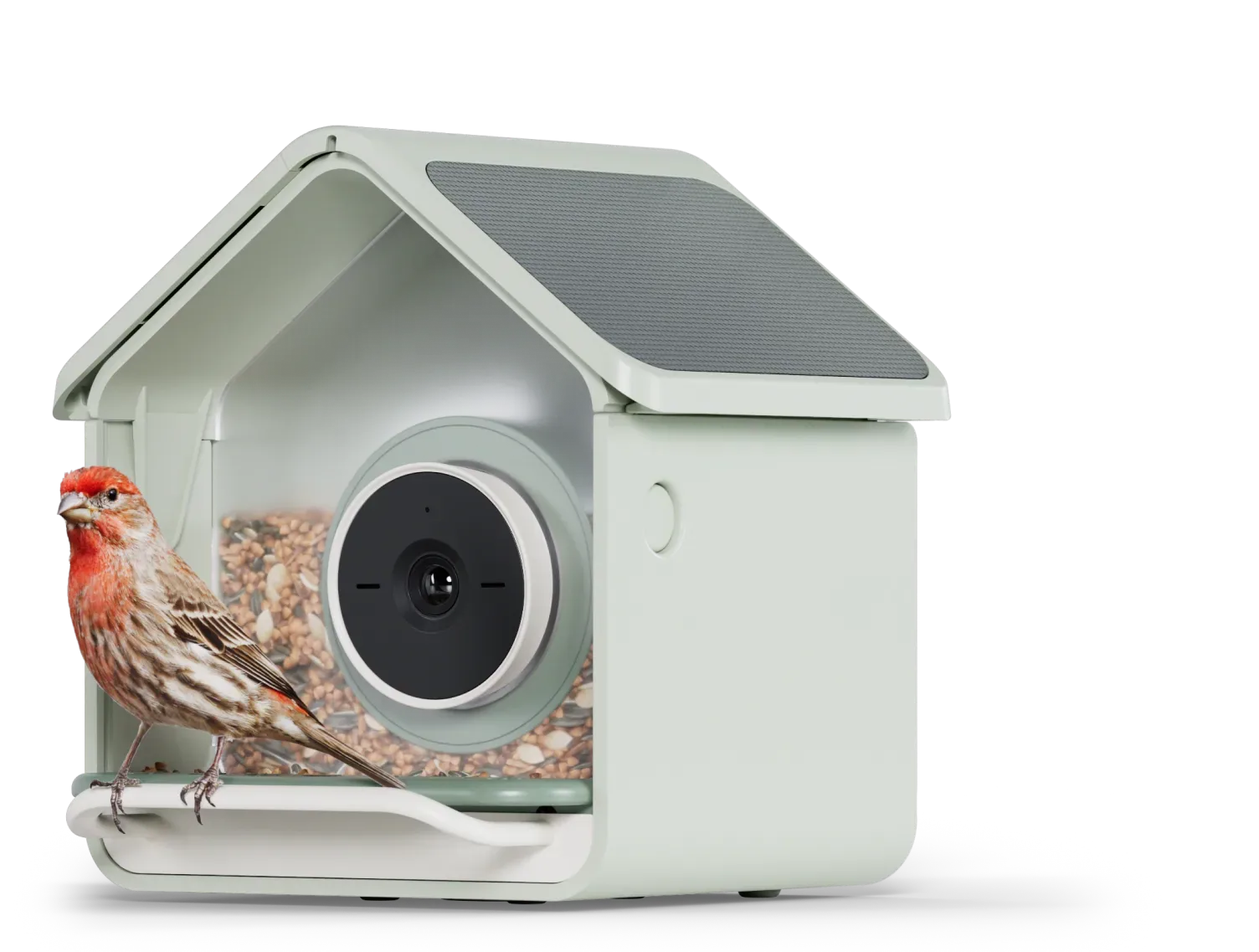
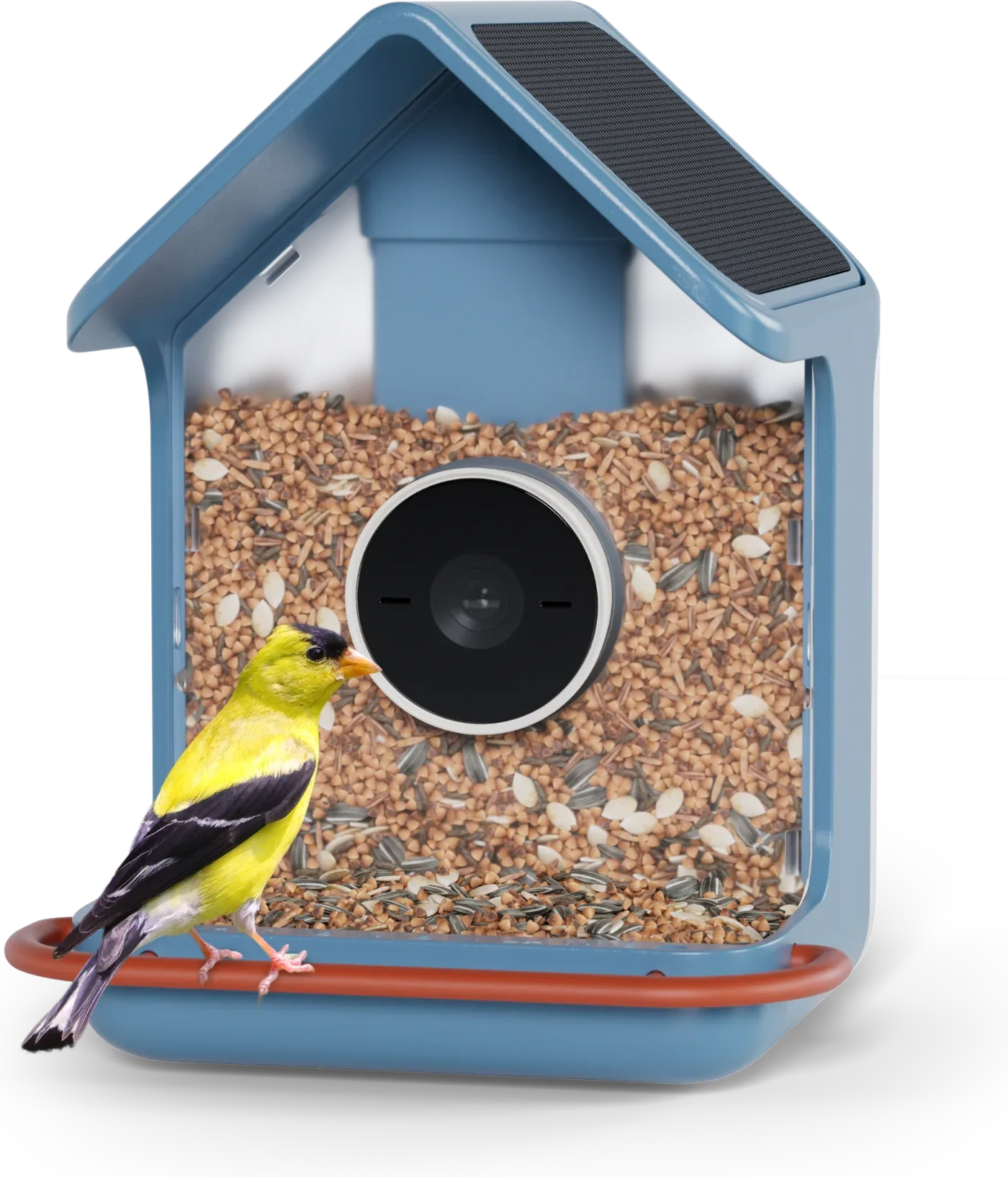
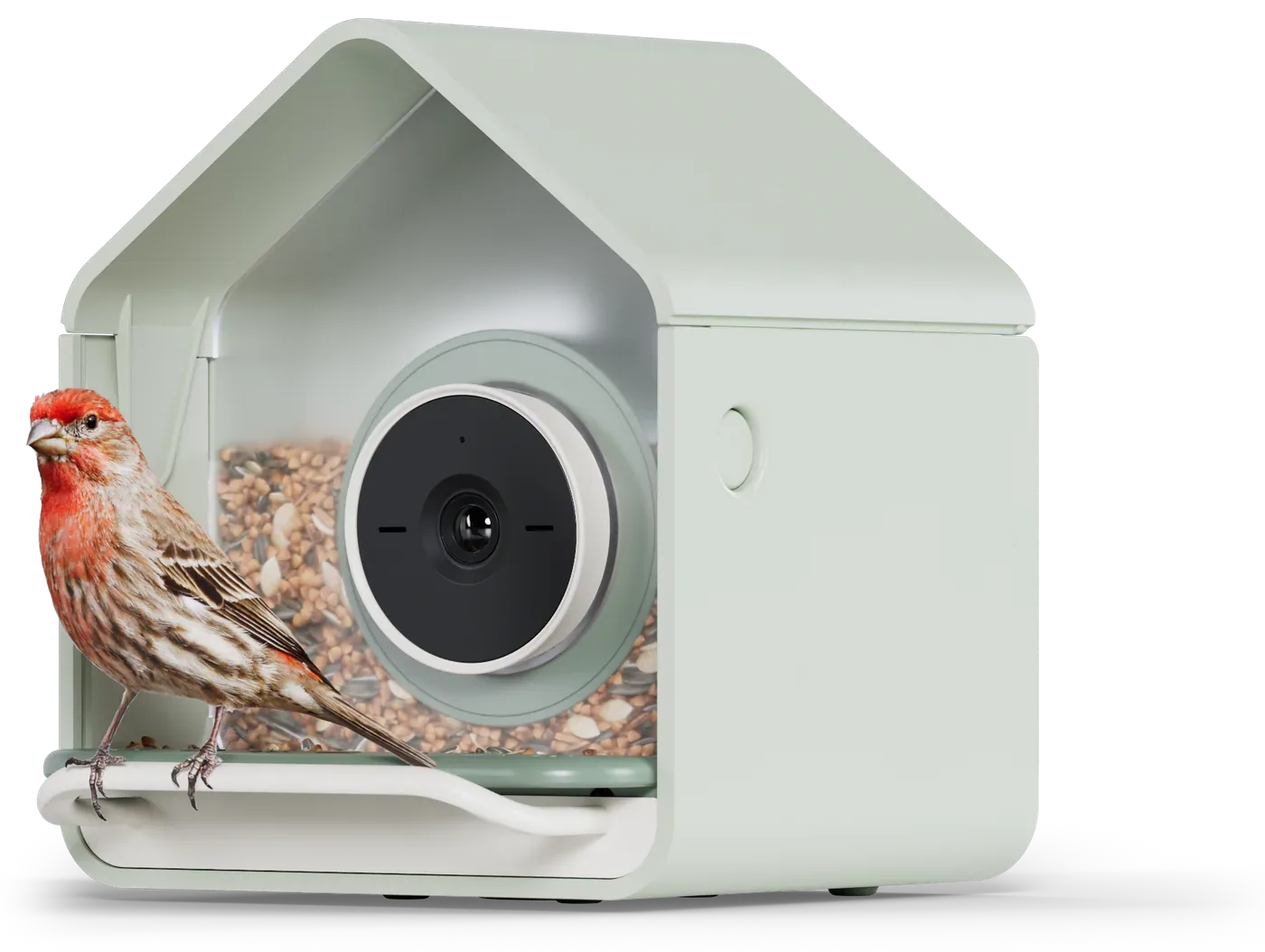
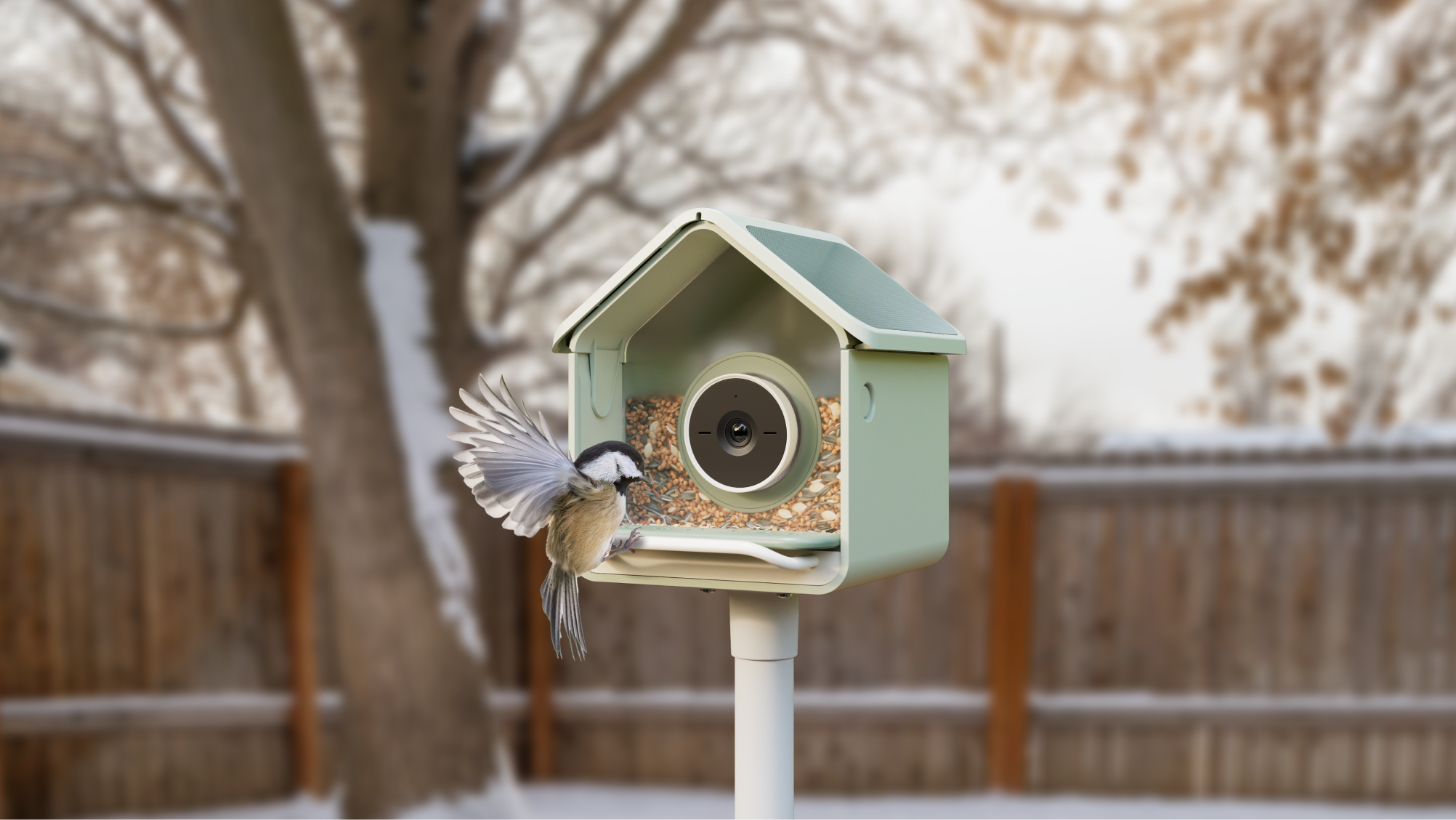
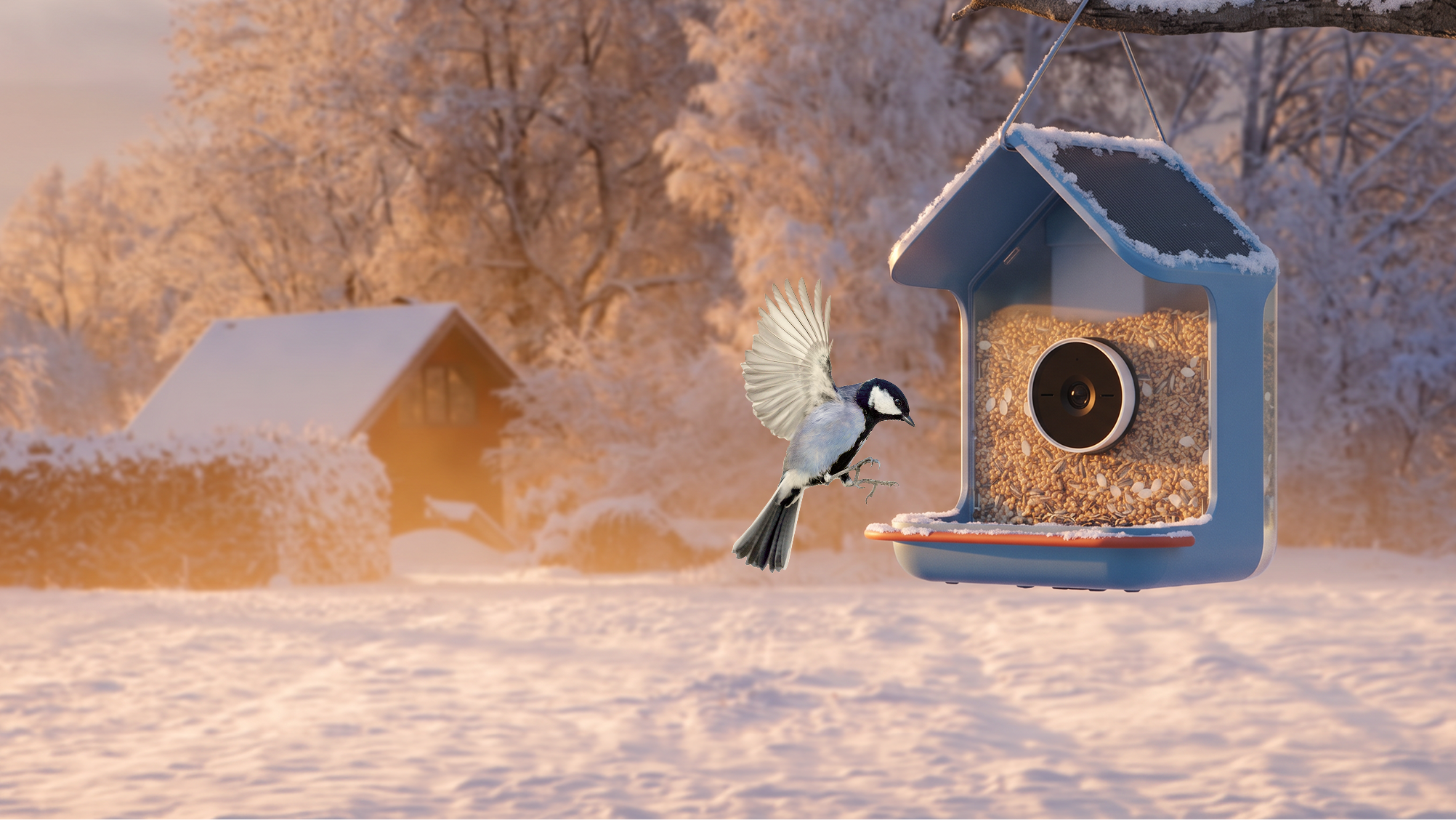
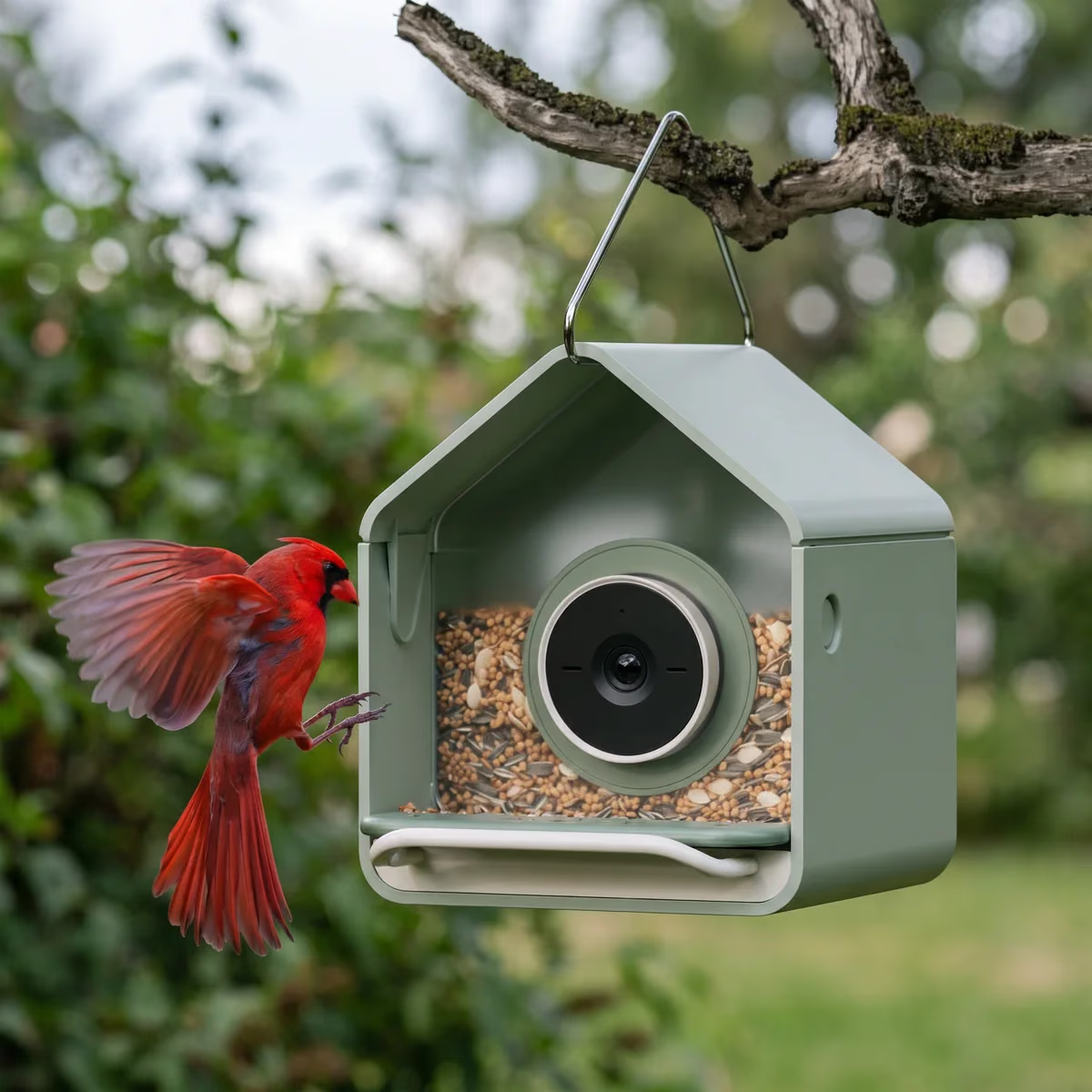
The best way to settle an argument about bird food is to watch what happens. A Birdbuddy smart feeder photographs each visitor and names the species, so you can try peanut butter one week and safflower the next and see who shows up. If a myth turns out to be true in your yard, we'd like to hear about it: share the photos with the Birdbuddy community.
The takeaway
Most bird feeding myths don't hold up. Feeders don't make wild birds dependent, they don't stop migration, and rice, peanut butter and metal perches are all safe. The real issues are simpler: skip bread and salty food, buy seed mixes led by black-oil sunflower, and clean feeders about every two weeks.
Frequently asked questions
Will feeding birds attract rats?
It can if seed piles up on the ground. Use hulled sunflower hearts to cut down on dropped shells, put out only what birds finish in a day, and rake up spilled seed regularly.
Can I feed birds kitchen scraps?
Some are fine: chopped apples, soaked raisins and unsalted nuts. Skip anything salted, seasoned, sugary or greasy, including bacon fat, which soaks into feathers and stops them insulating.
Is it true that birds won't come back if I move my feeder?
No. Birds find moved feeders quickly, usually within a few days, especially if the new spot is still near cover. Moving a feeder now and then can even help by spreading out droppings and spilled seed.