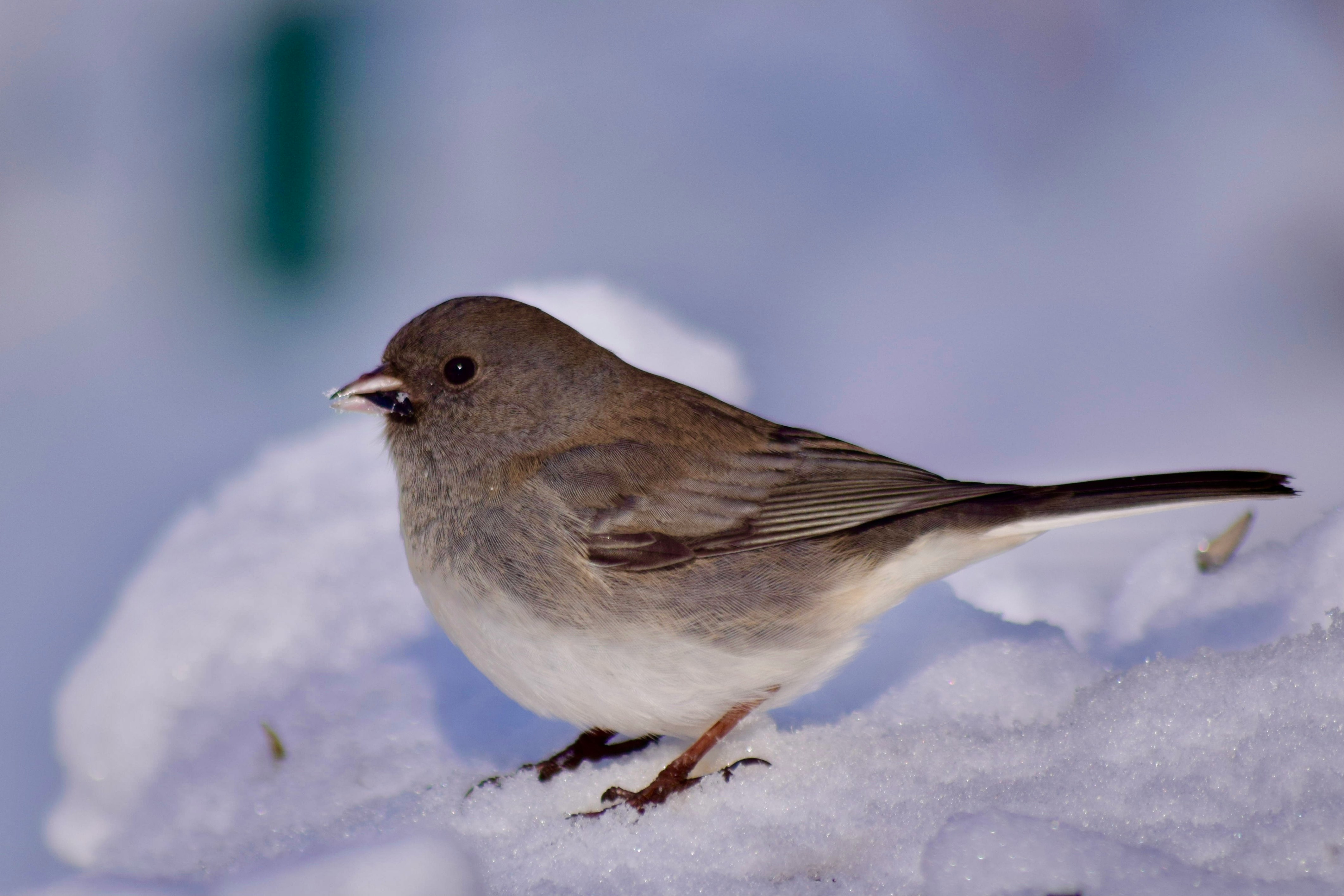
What should you feed birds in winter? Foods that are high in fat and easy to crack. Black-oil sunflower seed is the best all-round choice: Project FeederWatch calls it high in energy, thin-shelled and the preferred food of a wide variety of birds. Add suet for woodpeckers, nyjer for finches, unsalted peanuts for jays and titmice, and white millet scattered low for juncos and sparrows.
Key takeaways
- Start with black-oil sunflower seed, the top choice of most feeder birds.
- Add suet and peanuts for fat, nyjer for finches and white proso millet for ground feeders.
- Skip bread, salted or seasoned food and cheap mixes padded with milo, wheat and oats.
- Clean seed feeders about every two weeks, and more often in wet weather.
The best winter bird foods
Black-oil sunflower seed is the one to start with
If you only buy one bag this winter, make it black-oil sunflower. It's the most common seed at North American feeders, and FeederWatch lists it among the favorite foods of cardinals, chickadees, finches and sparrows. The seeds are small, oily and thin-shelled, so even a chickadee can open one in a few seconds.
Hulled sunflower hearts cost more but leave no shells under the feeder, which helps if it hangs over a patio or lawn.

Suet gives the most energy per bite
Suet is beef fat, sold as pressed cakes or raw from a butcher. Woodpeckers, nuthatches, chickadees and wrens all come for it, and in freezing weather it stays firm for weeks. Our guide to suet season covers which cakes to buy and how to serve them.
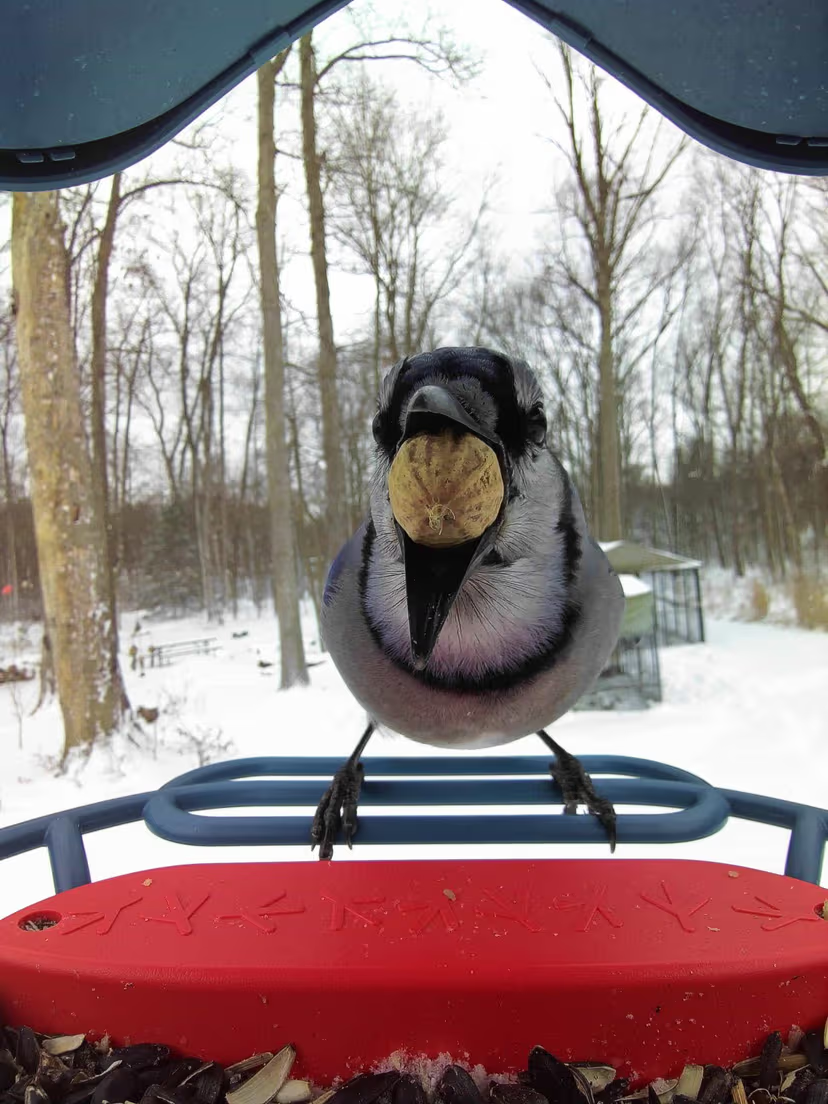
Peanuts bring in jays and titmice
Offer them unsalted and unseasoned, either shelled or whole. Blue Jays will carry whole peanuts off to hide them, so expect them to come back again and again. Peanut butter works too: Emma Greig, who leads Project FeederWatch at the Cornell Lab, recommends it as a fat source, mixed with suet or spread on a pine cone.
Nyjer is for finches
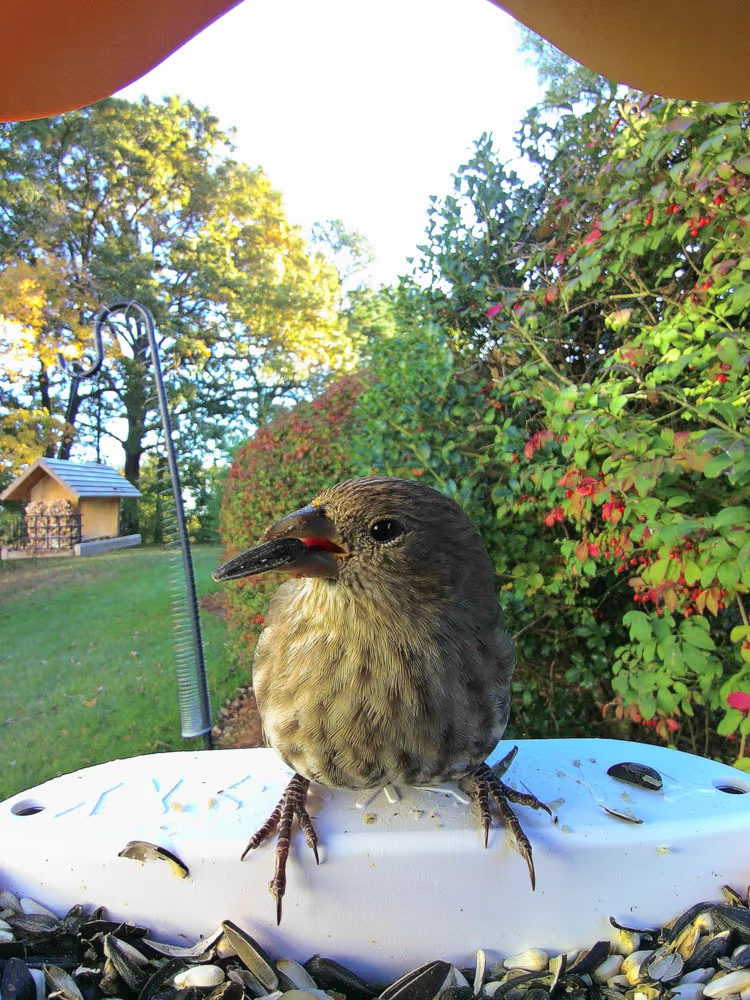
The tiny black seed sometimes called "thistle" draws goldfinches, Pine Siskins, House Finches and redpolls. It's expensive and spoils fast when wet, so fill the feeder a little at a time. If this winter's finch forecast holds for your area, it's worth having on hand.
Millet feeds the birds that eat on the ground
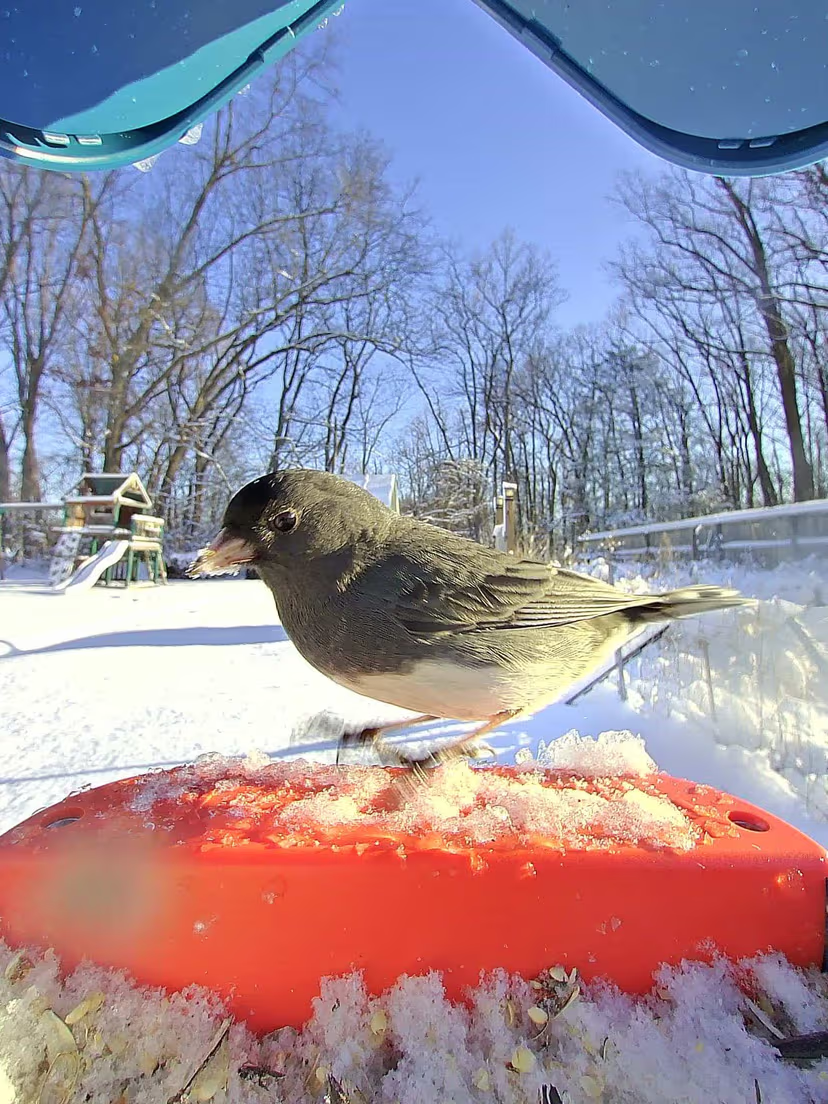
Juncos, sparrows and doves rarely land on a hanging feeder. Scatter white proso millet on the ground or a low surface instead. A Cornell Lab winter feeding guide notes that most birds prefer white millet over red. Cracked corn also feeds ground birds cheaply, but it molds quickly in wet snow, so put out only what disappears in a day.
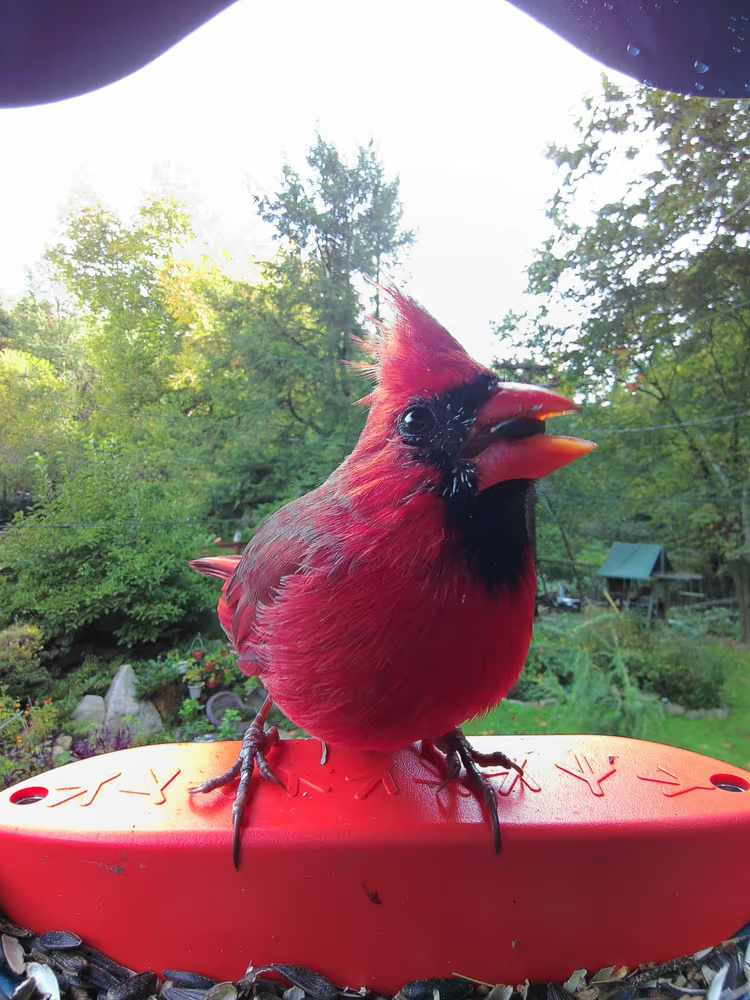
Safflower is a cardinal favorite
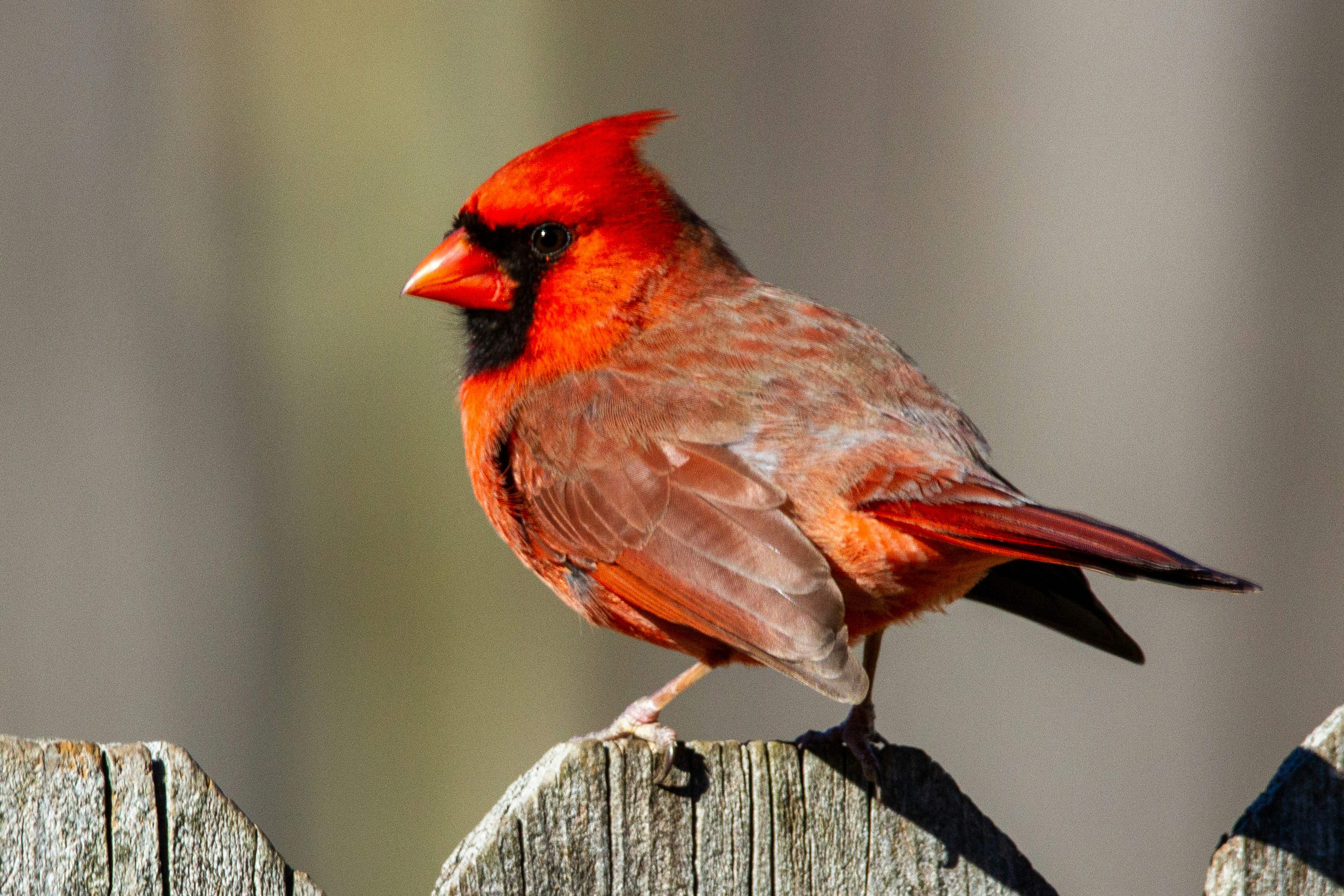
Safflower looks like a white sunflower seed and appeals to cardinals and other big-billed birds. FeederWatch's own experience is that most birds still prefer sunflower, so treat it as an addition, not a replacement. Many people use it because squirrels and grackles tend to leave it alone.
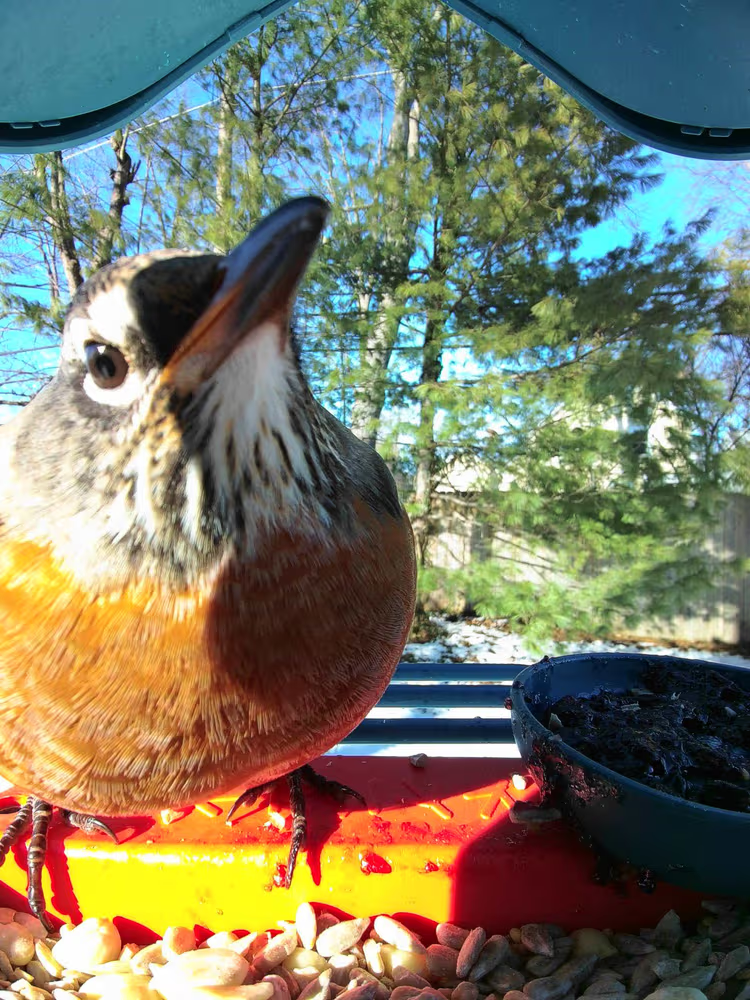
Fruit and mealworms help robins and bluebirds
Robins and bluebirds that stay north for winter eat mostly fruit and insects, not seed. Chopped apples, raisins soaked in water and a small dish of dried mealworms give them something to come to.
Foods to leave off the menu
Some of the most common things people put out do birds little good, and a few do harm.
- Bread, crackers and cereal. They fill a bird's stomach with almost no fat or protein, which is the opposite of what it needs on a cold night. Moldy bread can also make birds sick.
- Anything salted, sugared or seasoned. Salted peanuts, chips, popcorn and seasoned leftovers carry more salt than a small bird can handle.
- Bacon grease and cooking fat. It looks like suet but usually contains salt and preservatives, and it soaks into feathers, which then stop insulating.
- Cheap mixes heavy on filler. Milo, wheat and oats bulk up low-cost bags, but few feeder birds eat them, so most of it ends up on the ground. Check the ingredients: sunflower should come first.
- Wet, clumped or moldy seed. Throw it out rather than topping it up. Mold can carry aspergillosis, a respiratory disease in birds.
How to feed birds through the winter
Fill feeders before dusk and at first light
Winter birds eat hardest in the last hour before dark, building fat for the night, and again at sunrise, when that fat is used up. Our post on how birds stay warm in winter explains why those two windows matter so much. A full feeder at 4 p.m. does more good than one topped up at noon.
Keep food out during storms and cold snaps
Ice, deep snow and several bitter nights in a row are when wild food is hardest to reach. In research described by the National Wildlife Federation, chickadees with sunflower seed at feeders survived severe winters at nearly double the rate of birds relying on wild food alone. If you're going away, ask a neighbor to keep feeders filled during a cold spell.
Keep seed dry
Fill feeders with what birds will finish in a day or two, especially nyjer and cracked corn. Brush snow off after a storm and empty any seed that has clumped.
Clean feeders every two weeks
Feeders bring many birds to one spot, which also spreads disease such as salmonellosis. The Cornell Lab's All About Birds recommends cleaning about once every two weeks, more often in wet weather or when sick birds are around. Audubon passes on the National Wildlife Health Center's recipe: scrub off debris, soak in one part bleach to nine parts water, rinse and let the feeder dry completely before refilling. Rake up shells and droppings under the feeder too.
If you see a bird that looks sick, puffed up and lethargic in mild weather or with crusty eyes, take feeders down for two weeks, as Birds Canada advises, and clean them before putting them back.
Keep the seed for the birds
When acorns run low, squirrels turn to feeders and can empty one in an afternoon. A baffle on the pole or above a hanging feeder stops most of them. Here's how to squirrel-proof your feeder.
Find out what your birds actually eat
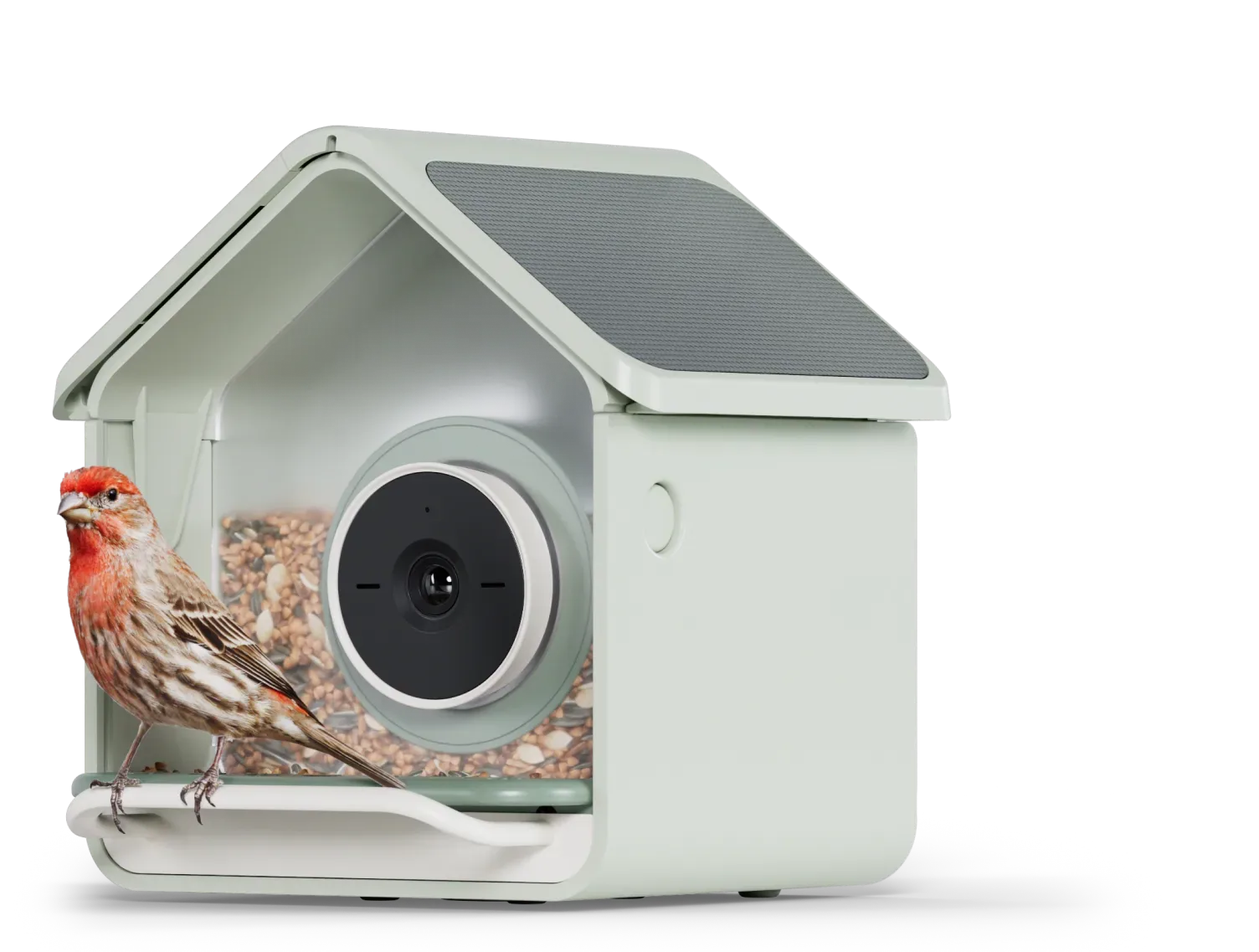
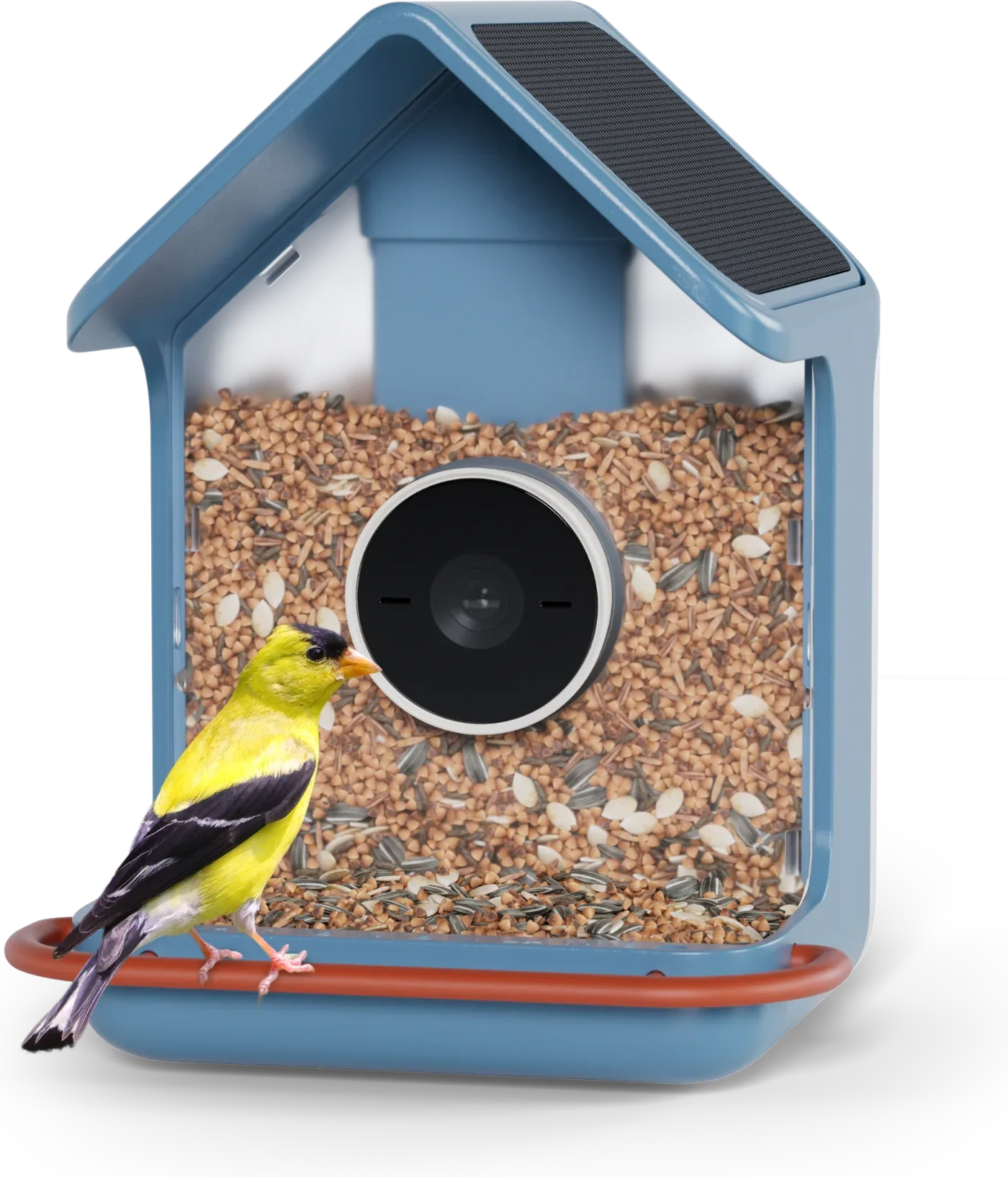
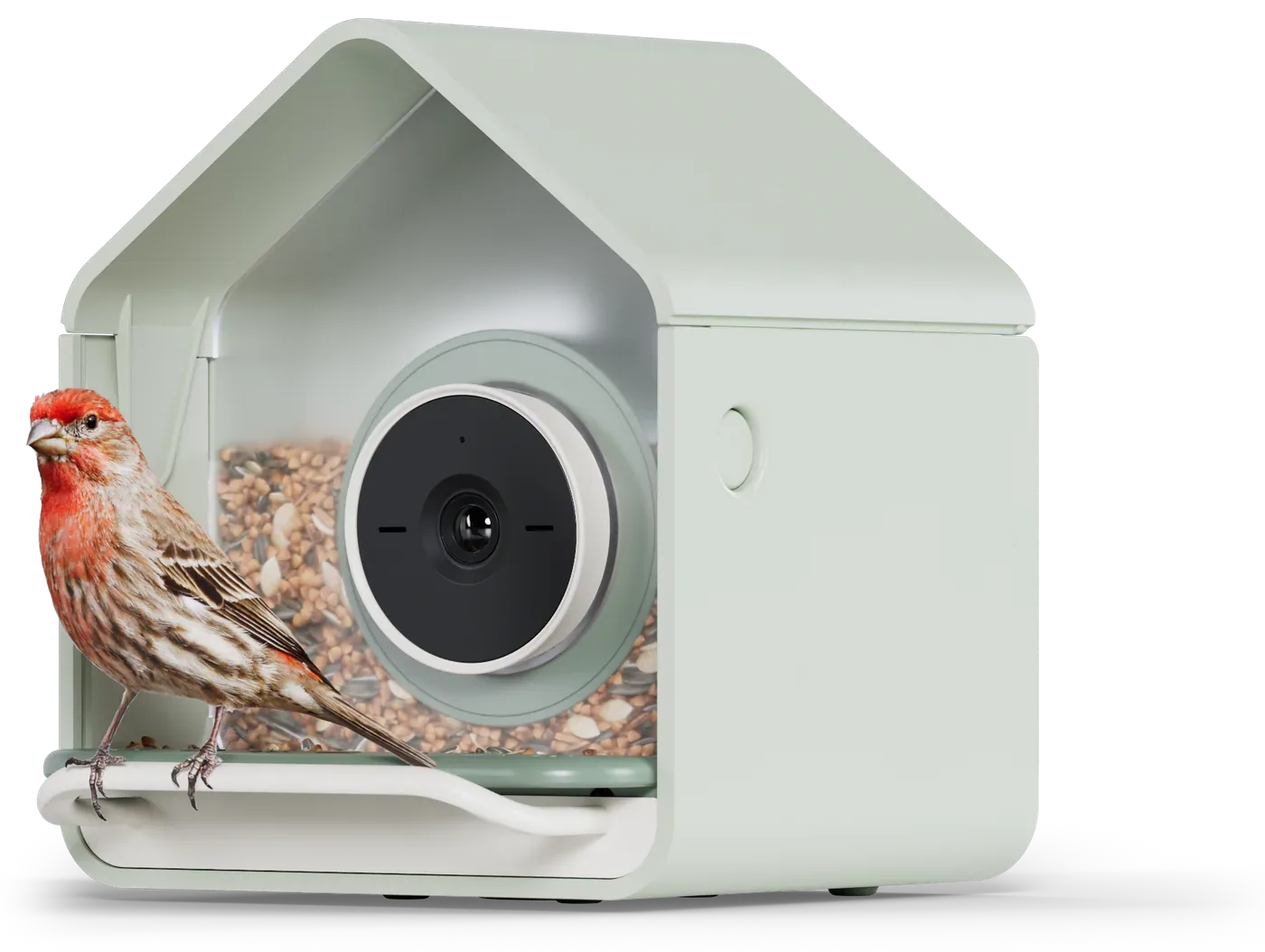
Every yard is different, and the fastest way to learn what works in yours is to watch who comes to which food. A Birdbuddy smart feeder photographs each visitor and names the species, so after a week you can see whether the cardinals are picking out the safflower, whether the finches have found the nyjer and what time the morning rush starts. Swap one food at a time and compare.
Spotted a new species after changing the menu? Share the photo with the Birdbuddy community.
The takeaway
To feed birds in winter, focus on fat. Black-oil sunflower seed is the best single food, with suet, unsalted peanuts, nyjer and white millet covering woodpeckers, jays, finches and ground feeders. Skip bread, salty leftovers and filler-heavy mixes. Fill feeders before dusk and at first light, keep food out through storms, and clean feeders about every two weeks.
Frequently asked questions
Will birds become dependent on my feeder?
No. In a Wisconsin study summarized by Virginia Tech Extension, Black-capped Chickadees with feeders got only about 21% of their daily energy from them, and birds that lost access survived as well as birds that had never used one. Feeders help most during severe cold, not as a daily lifeline.
When should I start feeding birds for winter?
In fall, before the first hard freeze. Birds learn where reliable food is while natural seed is still around, and the same Wisconsin researchers found chickadees used feeders most in autumn.
Can I stop feeding birds in the middle of winter?
Yes, birds will move on to other food. If you can, wait until a mild spell rather than stopping during a cold snap or right after a snowstorm, when wild food is hardest to reach.
What's the best value bird food?
Black-oil sunflower seed bought in a large bag. It feeds the widest range of birds with little waste. If you want a mix, blend your own from black-oil sunflower and white proso millet, as the Cornell Lab's winter feeding guide suggests, instead of buying a cheap bag padded with filler.