Image: hero, bird tracks in fresh snow under a feeder
How do you identify bird tracks in snow?
Look at three things: the toe pattern, whether the bird hopped or walked, and the size of each print. Most backyard birds have three toes forward and one back. Prints side by side mean a hopping bird like a sparrow or junco; prints one in front of the other mean a walker like a dove or crow. Size narrows it down from there.
Fresh, light snow on a still morning gives the clearest prints. Old, melting or wind-blown snow blurs the details, so look early.
What do the toe patterns mean?
Most birds you'll see have three toes pointing forward and one pointing back. Woodpeckers have two forward and two back, an X-shaped print. Ducks and geese leave webbed triangles. Turkeys and other game birds leave three long forward toes, often with little or no back toe showing.
Image: diagram, four toe patterns side by side: perching bird, woodpecker, duck, turkey
- Three forward, one back: perching birds such as sparrows, finches, cardinals, jays, robins and crows. This is by far the most common track.
- Two forward, two back: woodpeckers and owls. Woodpeckers rarely come down to the ground, so this print is a lucky find; northern flickers, which feed on ants, are the woodpecker you're most likely to track.
- Webbed: ducks, geese and gulls, near water or on open lawns.
- Three long toes, little or no back toe: wild turkeys, pheasants, quail and grouse, which spend their lives walking.
Did the bird hop or walk?
Small songbirds usually hop, leaving prints in pairs side by side, like a tiny pogo stick. Larger ground-feeding birds walk, leaving a single line of alternating prints, one foot ahead of the other. Robins mix the two, running and hopping in short bursts.
Image: diagram, hopping trail (paired prints) next to a walking trail (alternating prints)
- Hoppers: juncos, sparrows, finches, cardinals, chickadees and jays. Look for pairs of prints roughly evenly spaced.
- Walkers: mourning doves, pigeons, starlings, crows, blackbirds and grackles. Look for a line of single prints, often with the toes turned slightly inward.
- Both: American robins, which run, stop and hop as they look for food.
Common backyard bird tracks in snow
These are the tracks you're most likely to find in a US yard in winter. Sizes are approximate print lengths, including the back toe.
| Bird | Print length | How it moves | What to look for |
|---|---|---|---|
| Dark-eyed junco and sparrows | about 1–1.25 in | Hops | Tiny paired prints, often packed under feeders |
| Northern cardinal | about 1.25–1.5 in | Hops | Paired prints near shrubs, where it feeds close to cover |
| Blue jay | about 1.5–2 in | Hops | Larger paired prints, often near spilled peanuts or acorns |
| Mourning dove | about 1.5–2 in | Walks | Neat alternating line, toes turned in |
| European starling | about 1.5 in | Walks | Busy, crisscrossing walking trails from a flock |
| American robin | about 1.75–2 in | Runs and hops | Mix of paired and single prints, often under berry bushes |
| American crow | about 3 in | Walks | Long, confident line with a long back toe |
| Mallard | about 2.5–3 in | Walks | Webbed prints near water |
| Canada goose | about 4–5 in | Walks | Big webbed prints on lawns and fields |
| Wild turkey | about 4–5 in | Walks | Large three-toed prints, little or no back toe |
Juncos are the classic snow-track bird: these "snowbirds" feed on the ground under feeders all winter. Read more in our post on why dark-eyed juncos show up at your feeder.
Image: junco tracks in snow, ideally with a junco in frame
What do wing marks in snow mean?
Wing marks are where a bird took off, landed or fought. A fan of feather lines beside a few prints usually means a bird landed or flushed suddenly. A wing imprint around a small hollow, with tracks of a mouse or vole leading to it and none leaving, usually means a hawk or owl caught its prey there.
These "snow angels" are some of the most dramatic signs you can find. Owls hunt by sound and can catch voles moving under the snow, so look for strike marks in open fields and at the edges of woods. Our guide on how to find owls explains where to look.
Image: wing imprint of a hawk or owl strike in snow
Tips for tracking birds in snow
- Go out early, after a calm night with fresh, light snow.
- Photograph tracks with something for scale, like a coin, a key or a ruler.
- Follow the trail. Where it starts and ends often tells you more than a single print: under a shrub, at the feeder, at the edge of water.
- Look for other clues nearby: dropped seed husks, feathers or droppings.
- Check under your feeder first. It's where tracks are densest and easiest to compare.
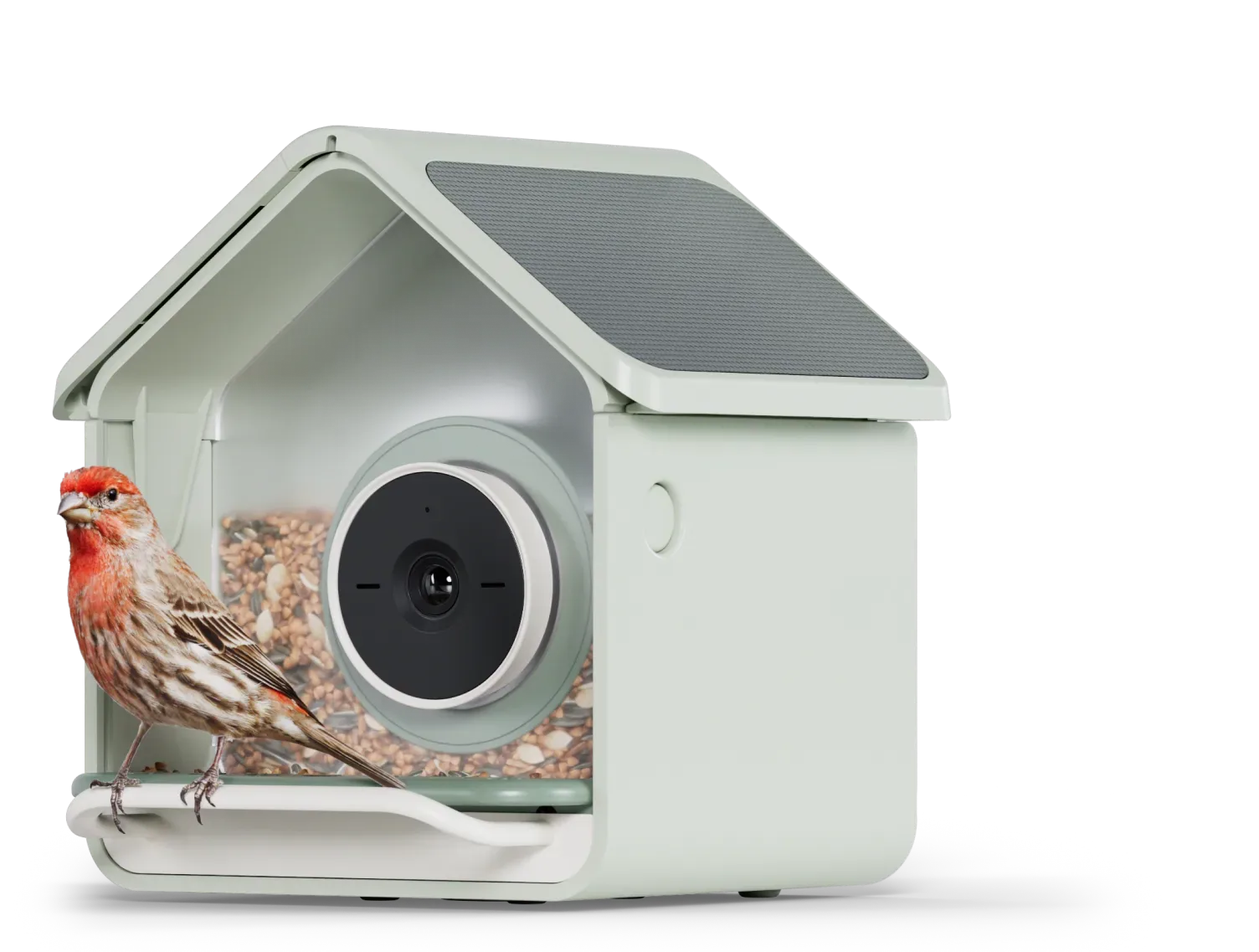
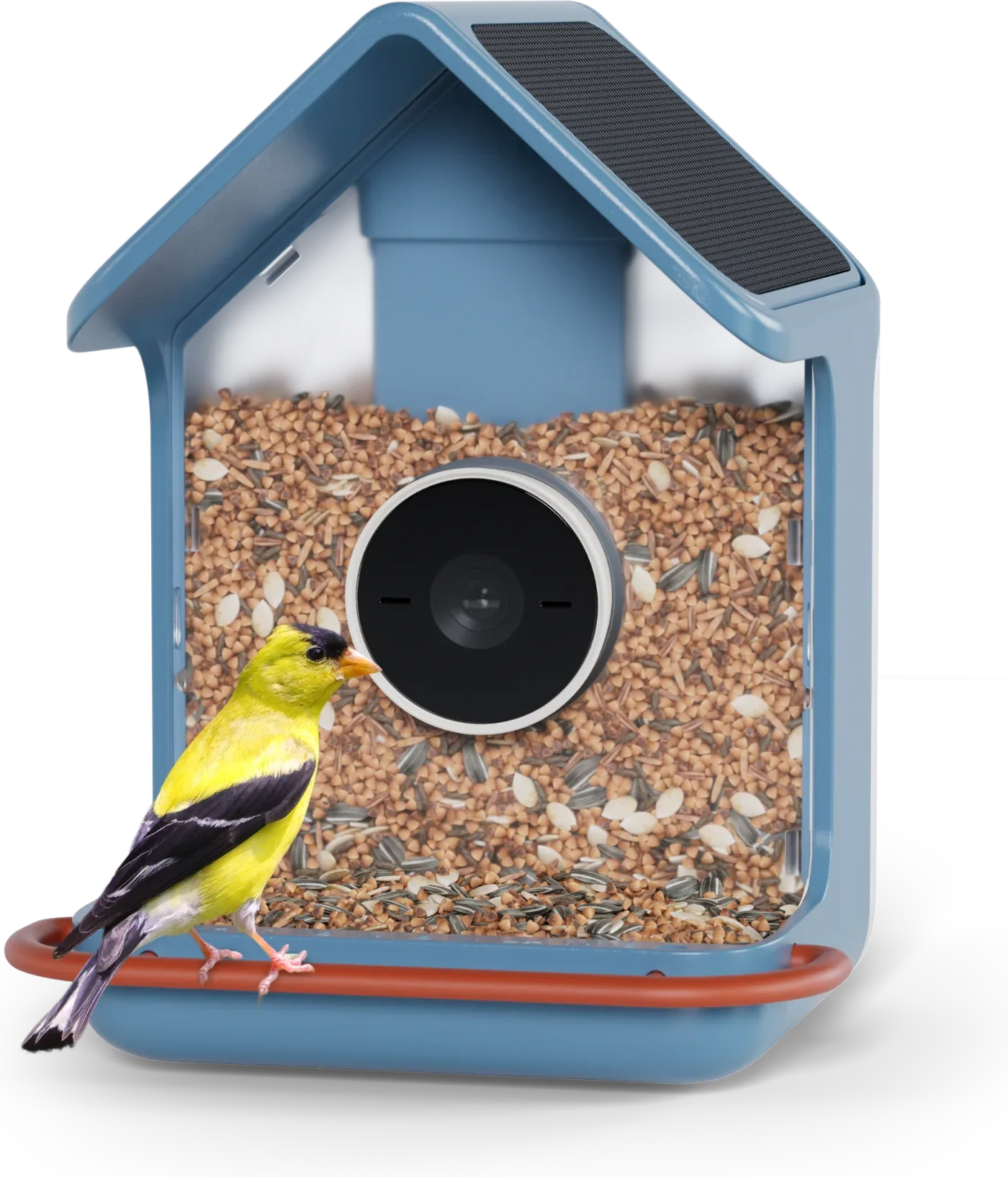
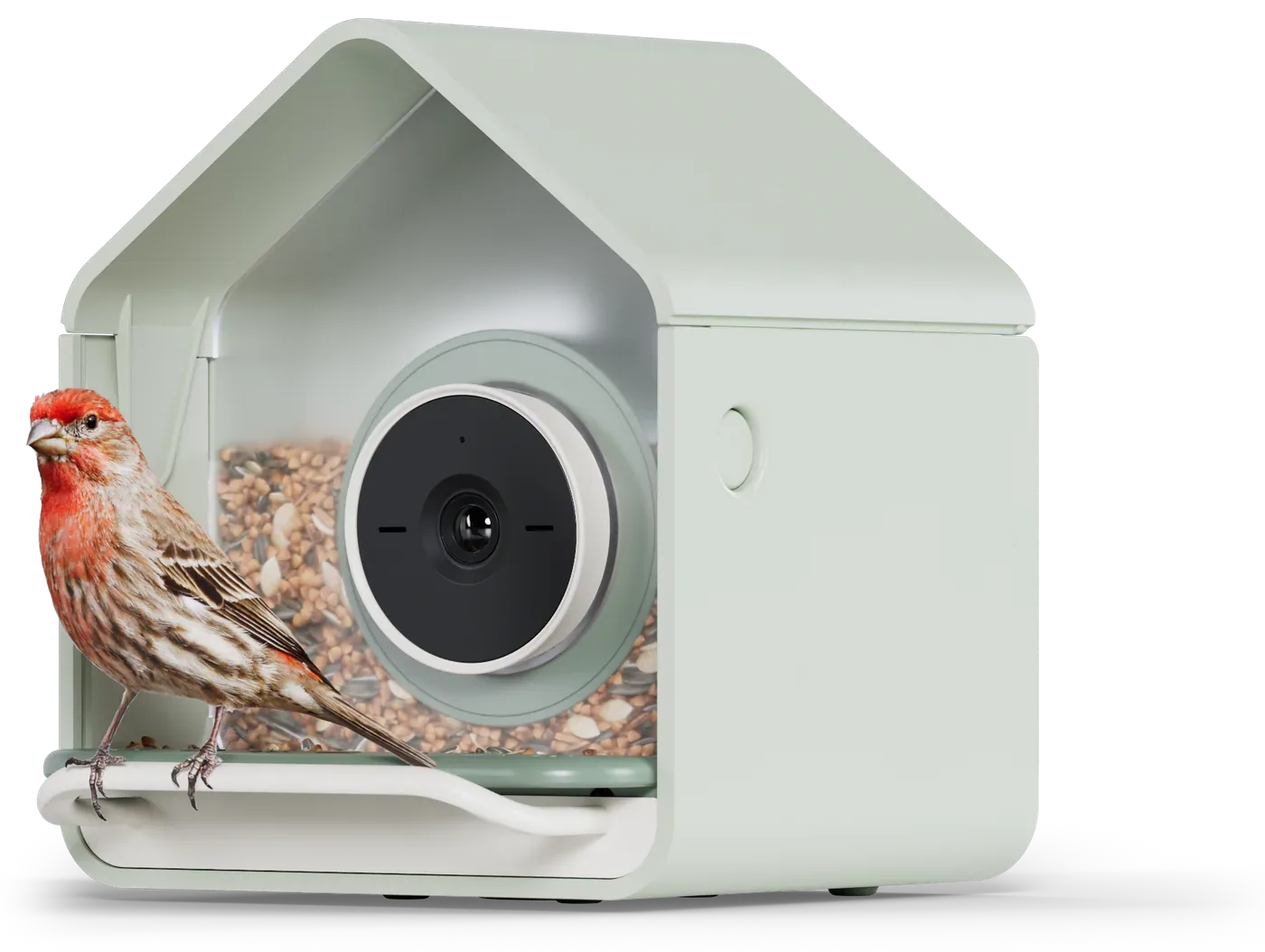
Want to know exactly who made the tracks under your feeder? A camera feeder like Birdbuddy photographs each visitor and identifies the species, so you can match the prints to the bird. And keep your feeders full: winter is when birds need the energy most. See what to feed birds in winter.
Frequently asked questions
What do bird tracks in snow look like?
Most look like a small arrow or cross: three thin toes pointing forward and one pointing back. Small birds leave them in side-by-side pairs; larger birds leave a single line.
How can you tell if a bird hopped or walked?
Hopping birds leave prints in pairs, side by side. Walking birds leave alternating prints, one foot in front of the other, in a single line.
What bird leaves tiny tracks under my feeder?
Most likely dark-eyed juncos or sparrows. They feed on the ground under feeders all winter and leave small, paired hopping prints about an inch long.
Which birds leave large tracks in snow?
Wild turkeys and Canada geese leave prints 4 to 5 inches long. Crows leave long walking trails with prints about 3 inches long.
What does a wing print in the snow mean?
Usually a bird landed or took off in a hurry. If it surrounds a small hollow with mouse or vole tracks leading in, a hawk or owl probably caught its prey there.